May I Offer You A Cookie? Part 1

As a senior nomad, I spend a lot of time using my browser to read the news, to do research, and to plan my travels. I use various tools, such as a VPN and a password manager, to protect my vital information. I’ve also grown increasingly sensitive to the technologies used to track, and profit from, my browser usage.

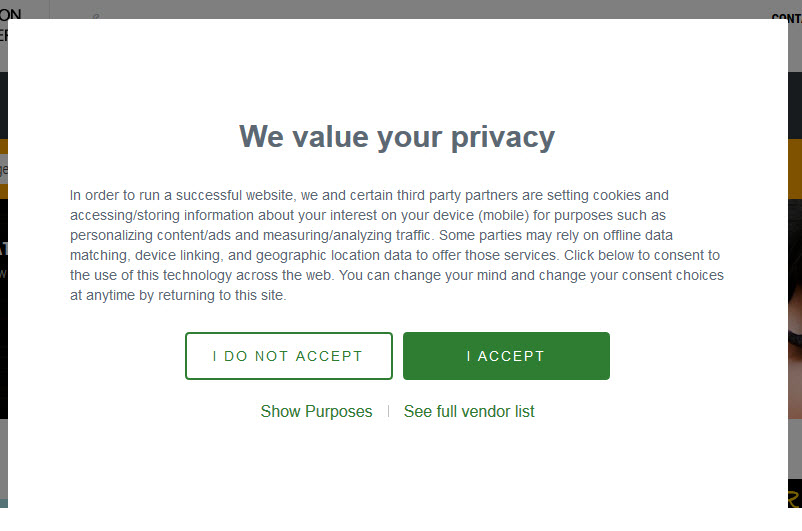
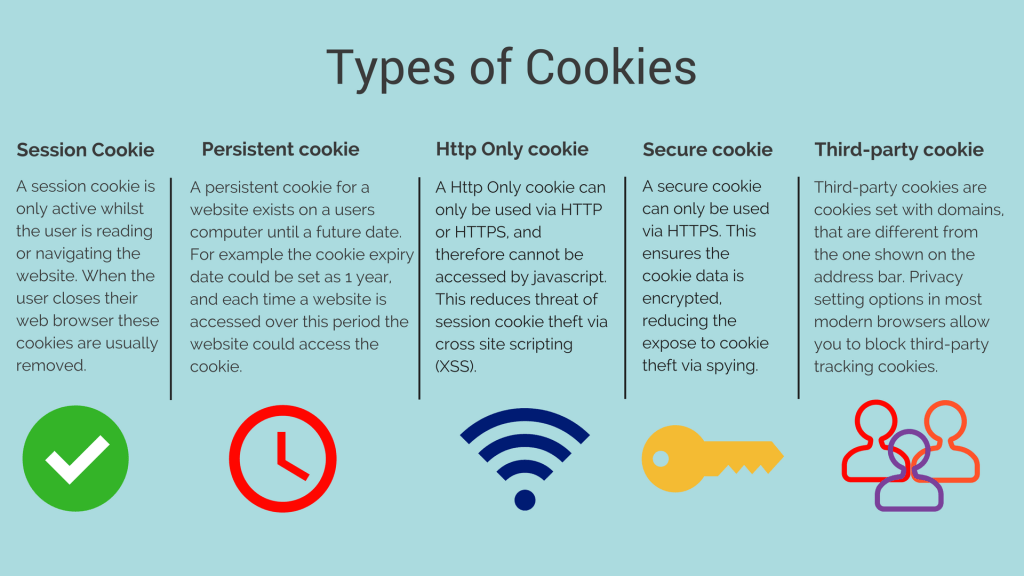
Most people think of Google as the Big Boogie Man when it comes to this kind of thing. But, increasingly, all websites are becoming vectors for privacy invasion, and the standard browser mechanism for this is a file called the “cookie”. Unless specifically blocked in their settings, browsers allow websites to create small files, or cookies, on your device.

Why? Well, the communications scheme typically used between your browser and the website server is “stateless”, i.e. there’s no implicit correlation between two successive requests on the same connection. That means the website has no way of knowing what’s already happened. For example, it doesn’t know whether you’ve already logged in or you’ve selected an item to purchase.

That’s where cookies come in – they provide a continuity of information between requests. One of the most obvious cookies is the “shopping cart” that keeps track of things you want to buy from a website. Others may be used to register the font-size you’ve selected, or a site language option. Often cookies have a very brief lifetime and delete themselves, but others can last forever.

The nefarious Third-party Tracking Cookie is at the heart of my privacy concerns. These cookies can be, and often are, used to make a record of everything you do, every page you visit, every click you make, every decision you take, when visiting a website.

Worse yet, this information can then be shared with other websites, or services like Google, and combined with other identifiers (your email address, your network address) to build a very complete picture of you and your habits. This is then used to target you with ads, emails, scams, and even disinformation campaigns. Essentially, someone is looking over your shoulder as your browse and your privacy is a myth. The use of tracking cookies has increased exponentially in recent years.

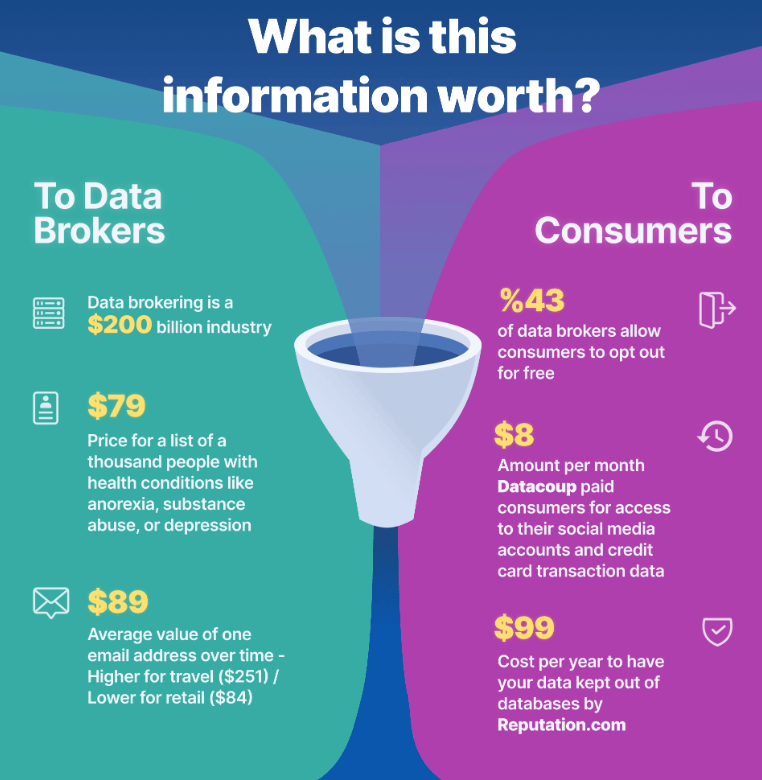
And it’s not just businesses seeking to sell you something. “Data brokers” now vacuum up your data and sell it for all sorts of purposes, including to political campaigns, without your knowledge or informed consent.

Can’t we just ban cookies? Well, yes, and some browsers allow you to do this, but then many websites, having been designed to be dependent upon them to function, break.

How many cookies are we talking about? There’s almost no limit on how many a website might install on your device, so while it may be a few, it can be hundreds.

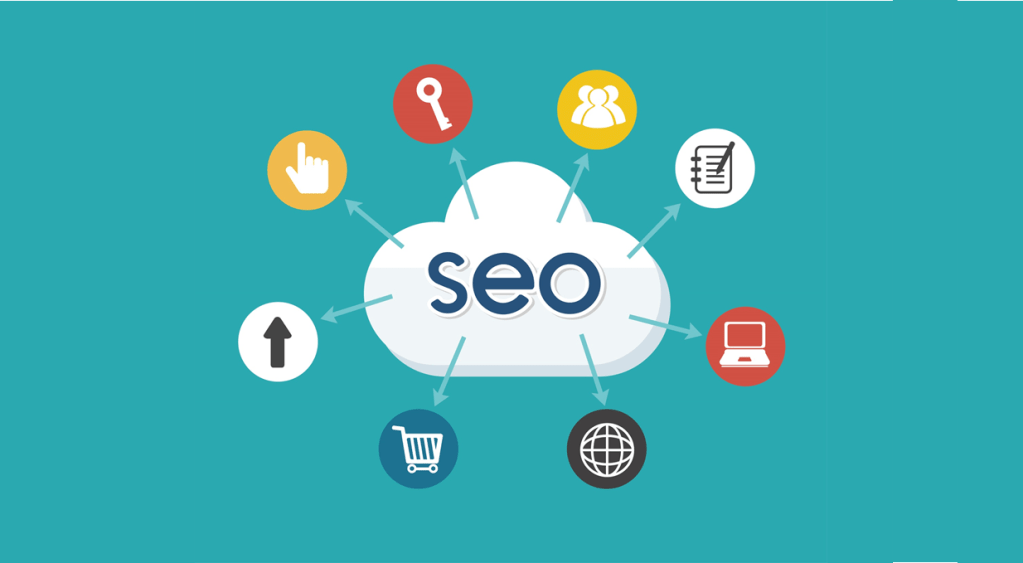
If you’ve not heard of SEO, it’s also part of the equation. When you search using Google, Bing, or another search service, often thousands of results are returned. Some studies show that most users won’t look at them past the first results page, others say only the top five results matter. So for a website owner, their position or ranking in search results becomes important.

If a business or website depends on marketing through search results, as many do, then they can pay Google, Bing, etc. to appear sooner in the results. Or they can use Search Engine Optimization (SEO) techniques to attempt to improve their ranking in the results. SEO is practically a science and website developers work very hard to apply it.

How does one know, though, if SEO is working? Or where one stands in the search results in the first place? Why, Google and others offer tracking cookies, programming scripts, and remote services that can measure all that, for a price.

So not only is Google selling your information by tracking your use of its search service, it also sells that same technology to others, so they can monitor their SEO effectiveness, develop profiles of their site visitors using cookies, and also profit from your information.

I hear the counter-arguments, that “the Internet is a wonderful thing” and “search provides an invaluable service”, “we’d be lost with out it”, etc. and I agree! As someone whose life and IT career included the pre-Internet years, I remember how it was before and I’m a big user of search. But, like so many things that take hold by accretion and are unregulated until it’s too late, just because a thing has become essential doesn’t mean it’s good for us.

Web inventor Sir Tim Berners-Lee is very worried that his 30-year-old creation is turning into a “digital dystopia”, in a head-long plunge into a moral abyss. It’s not an recent worry – Berners-Lee has publicly fretted about the web’s direction many times over the years – and it’s not hard to understand where his pessimism comes from.

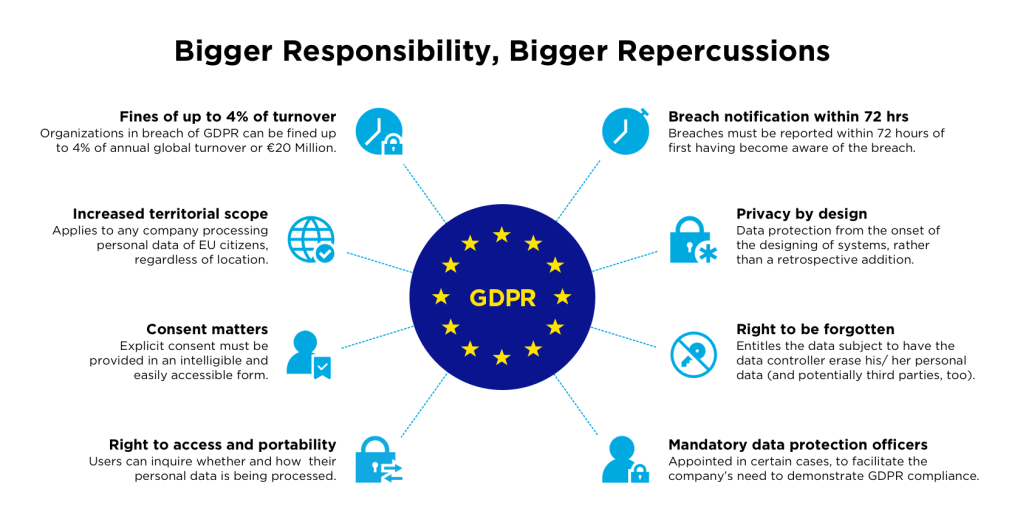
Yeah, thanks, Tim, but you can’t put the genie back in the bottle now. In my next post, let’s look at one attempt to regulate control of our data.

That Most English of Sandwiches

“Monday, it’s Cheese & Pickle”. So said the young detective Endeavour Morse about his mentor’s lunch. I had not had this most English of sandwiches, so I recently bought the ingredients and gave it a try.

The cheese part of this traditional fare is usually a good English cheddar. The bread is typically what’s called Farmhouse Bread (a sliced, white loaf) but it can be just about any style. Butter or mayo is also used.

Now for the pickle, also known here and in the U.S. as chutney. It’s completely unrelated to American-style, cucumber-based pickles and is a condiment adopted from India during the British Raj period. The iconic Branston brand is well-known here and in the U.S. market Major Grey’s leads the market. There are several flavor variations, but I opted for the “original” recipe.

The ingredients include Carrot, Rutabaga, Onion, Cauliflower, Sugar, Barley Malt Vinegar, Water, Spirit Vinegar, Tomato Purée, Date Paste (Dates, Rice Flour), Salt, Apple Pulp, Modified Maize Starch, Colour (Sulphite Ammonia Caramel), Onion Powder, Concentrated Lemon Juice, Spices, Colouring Food (Roasted Barley Malt Extract), Herb and Spice Extracts.

The vegetables are cut in fairly large cubes (1/2”) though I understand a “finer grind” is also available.

What’s it taste like? Well, that’s hard to say. It’s savory and sweet, vinegary and tart. Wouldn’t want to eat much of it by itself.

But, in my sandwich, it was pretty good, with the pickle balancing the strong cheese taste nicely. I liked it. I made a second sandwich (just to be sure) and it was good, too.

Bread, cheese, and pickle are all parts of what’s know here as the Ploughman’s Lunch, which conjures up images of hearty farm workers enjoying lunch in Victorian era in the shade of their tractors. Sadly, not. The term was created by a British cheese marketing association in 1957 as part of a program flogged to pubs. The Ploughman’s Lunch is still featured on many pub and restaurant menus here and around the world.

My mother used to serve chutney over a block of cream cheese, with crackers, as a canapé at parties and the taste of pickle brings back those childhood memories.

I don’t think I’d have this sandwich often, its flavors are too strong, but it would be nice for lunch now and then. Why don’t you give it a try?

Voted From Abroad

You may have heard that the U.S. is having a national election soon.

I knew I wasn’t going to be in the U.S. on Election Day, November 3rd, and so I generated and sent, using the VoteFromAbroad.org website, a “Federal Post Card Application” for an absentee ballot. I discussed this in a post here back in July. 

In the U.S. the voting process is controlled individually by each state. Elections are administered by localities: counties, cities, and towns. I vote in Virginia (officially, a “Commonwealth”, but let’s not be snooty – it’s a “State”), which is not one of the enlightened states that allows voting by email, so I knew I would need to receive and complete a physical, paper ballot, and then send it in.

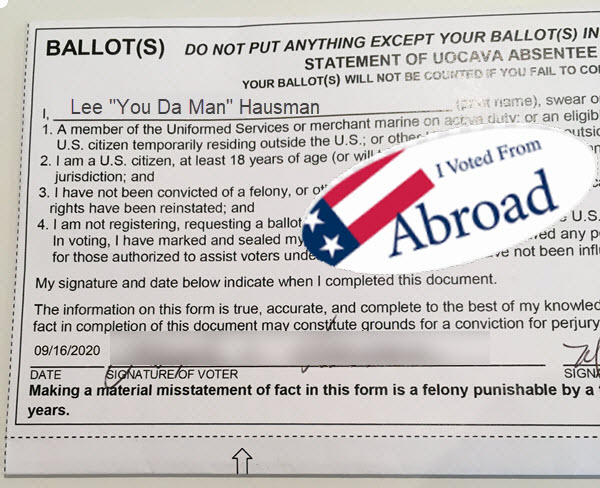
On September 16th, I received an email from my election office with a link that let me access and complete my ballot online, then download it as part of my “ballot package”. This was a .zip file containing five .pdf files, including:

• Ballot processing instructions – These were fairly clear but I noted that some of the terminology used here was inconsistent with that on the other materials.

• My completed ballot.

• A print-and-fold envelope, with legalese and lines for my and my witness’s signatures. I used this option, by printing and folding the page on the dotted lines to create an envelope. Then I placed my ballot inside, taped the folded enveloped shut, and signed. Stern warnings said nothing else could go into the envelope.

If I had wanted to use my own envelope instead, I could have printed the “completed front of envelope” file and taped it on my envelope. It was already filled-in with the address of my election office (but, oddly, that address lacked some details in the address sent to me by that office in the email containing the link). It was already franked for free U.S. postage.

If I had wanted to use my own envelope instead, I could have also printed the “completed back of envelope” file and taped it on. It contained the legalese and signature lines mentioned previously.

Once my completed ballot was safely in its envelope, I went down to the local DHL Shipping agent in the Ryman Stationery store. They prepared an DHL Express Document for me and, after I double-checked all the shipping information and handed over £30, my ballot was on its way to my U.S. election office.

Yes, the price was a bit steep, and, no, there was no cheaper, slower delivery option. But, by using DHL, I avoided the whole U.S. Postal Service delivery quagmire and could track the progress of the package online, so I was OK with it.

And 31 hours after I sent it off, my ballot was received in the U.S. at my election office and will, I have every confidence, be properly counted. The city where I vote only has 10,000 registered voters, so I’m pretty sure counting will go smoothly.

Bottom Line: I Voted!

When the Real World Seems Strange

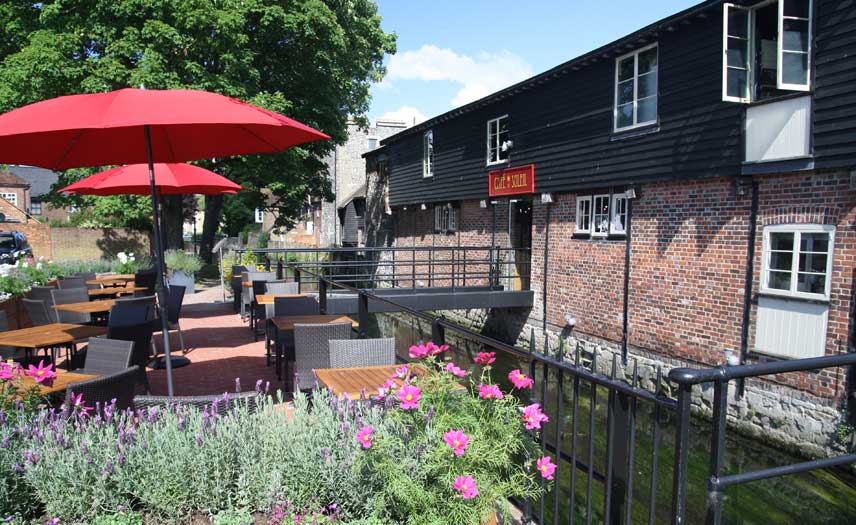
We’re finally out of self- isolation and have taken a few walks around Canterbury. On our first night of freedom, we celebrated with a dinner at the Café du Soleil, where the food was exceptional and our table on their terrace was right alongside the river channel.

That’s our table, in the foreground, right

The restaurant also has a nice dining room that’s accessed by crossing the bridge shown above. As we dined, several paddlers came along in inflatable boats. The food was outstanding and, after the sun went down, the terrace and building were illuminated with clever lighting. We found the restaurant to be very diligent about adhering to the recommended anti-COVID protocols and we felt quite safe there.

People are not required to, and don’t, wear face masks (which we do) in the streets here. Masks are required in retail stores, restaurants, and pubs but it appears that compliance is about 50%. This has prompted us to wear N95 masks in public, rather than simple surgical masks. If others aren’t going to wear their masks to help protect us, then we need to protect ourselves.

It occurred to me that an unexpected benefit of being in isolation was that we didn’t have to worry about, or even think about, what the rest of humanity was or wasn’t doing about masks and survival distancing, for two whole weeks. What a relief that was! Now that we have to do it again, I’m getting a fresh taste of what a lot of mental overhead it involves.

We took a walk down the High Street, passing first through the city walls, which go back to Roman and medieval times. Only about 50% of them remain. Westgate, shown above, is typical of the remaining constructions. The original builders, of course, never anticipated cars cruising through them or the Union Jack flying above the ramparts.

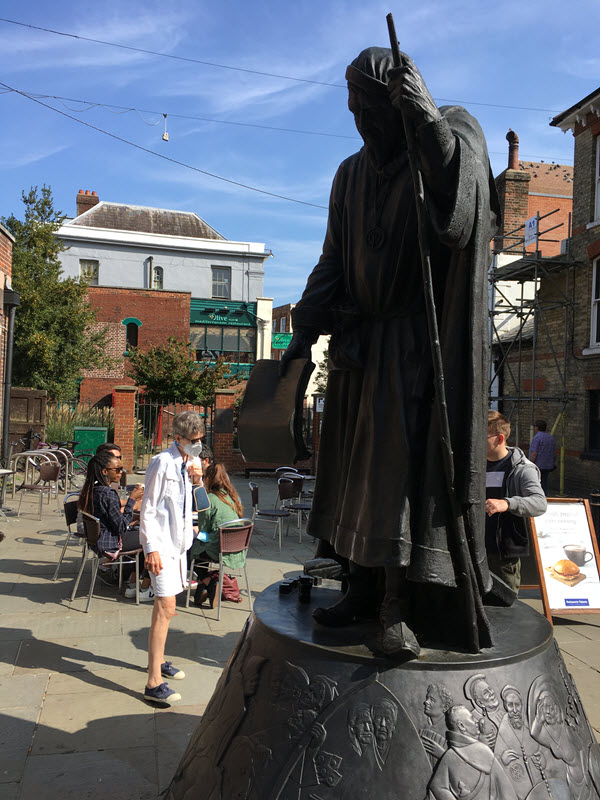
On the High Street, Marti examines the statue of Geoffrey Chaucer

Like many High Streets, this one is pedestrianized and features Tudor timber-framed buildings, banks, souvenir shops, clothing stores, pubs, restaurants (including McDonald’s and Burger King), and a whole lot of “For Lease” signs. The virus restrictions have been hard on small businesses here, too.

Millions and millions of Christians served, since 597 AD

Worship has been going on at the famed Canterbury Cathedral for 1,400+ years and it’s been a pilgrimage destination for almost as long. St. Augustine and Thomas Becket are but two of many historical figures associated with it.

We were disappointed to find that there’s an entrance fee of £12.50. Due to the encroachment of the buildings around it, it’s hard to even see the lower part of the Cathedral without coughing up the fee. We decided to come back to visit it on a weekday, when there should be fewer visitors.

Cathedral management has, of course, had to react to the virus with PPE requirements, timed-entry tickets, and so forth and the fee probably helps to offset these costs. In order to observe survival distancing, they’ve had to limit attendance at services. Audio guides and guided tours have been discontinued for now but live online video coverage of services is available.

Canterbury is compact and it takes no time at all to walk anywhere, which makes for a nice change from my summer suburban stay outside Washington, D.C. I’m looking forward to getting out more and learning more.

We’re still enjoying early Fall weather and the little nature reserve behind our flat. We recently saw two foxes and a Great Blue Heron there, which was very cool.

Life in Self-Isolation

I want to share some of my self-isolation experience with you but, first, I need to let you know that my French girlfriend, Marti, came over from Paris on the Eurostar train a few days after I arrived and we are self-isolating together here in Canterbury. This is probably not what the British authorities had in mind exactly, but we’re following the isolation rules by the book and I think the intent (not exposing anyone outside our “bubble” until we’re sure we’re not infected) is being met.

So, we’re here together, which is fabulously better than me being here alone. We’re on Day 8 since Marti’s arrival, so we have six more days until we can leave the flat.

Our Airbnb flat is comfortable, brand new, and well-equipped. Our hosts purpose-built the building, with its twelve short-term rental flats, and it just opened in August. They’re very experienced hosts, have done everything right, and let us know that they have others in self-isolation here as well.

The University of Kent is nearby and I think we may have a few flats rented out to students. Unlike so many UK hotels and B & Bs crippled by the decline in tourism due to the virus, our hosts seem to have navigated the downturn successfully, so far.

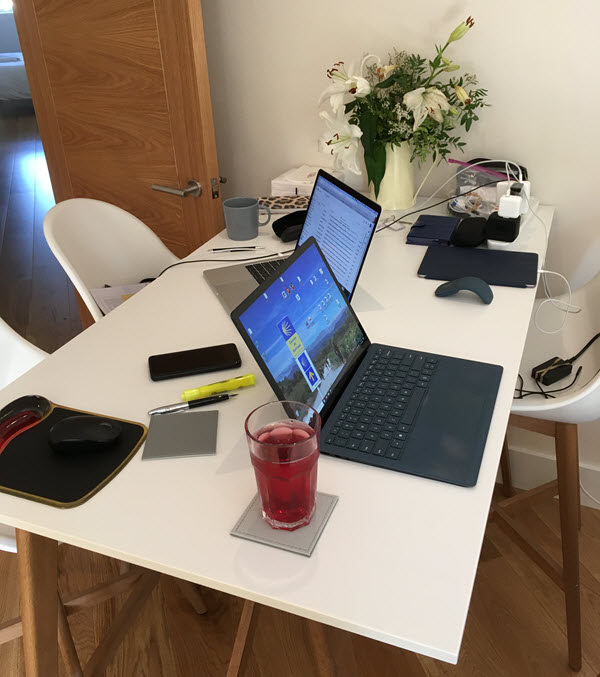
Our “Technology Center”

The flat’s Wi-Fi connectivity and speed are excellent, even with both of us working. The flat comes with a nice, large TV and plenty of entertainment offerings, and we can stream online shows without any problem. UK power plugs are large and the matching adapters for our EU and US devices are equally so but, with a UK power strip, we’ve managed to accommodate all of our devices.

Once a week, we have groceries delivered from Waitrose and, after a few adventures getting the proper English names of things correct and discovering just how much 500g of raisins is, it has worked out well. For example: “plastic wrap” is “cling film” here, and “zucchini” is “courgette”.

The Waitrose online ordering software is very good. However, the prices of things here are somewhat high and the 1.24 dollar-to-pound exchange rate doesn’t help. We were happy to find good French and Spanish wines and Irish Whiskey available. Waitrose’s delivery service is excellent.

We generally cook for ourselves but we also follow a tradition, established last Spring when we were locked down together in Paris, of ordering in for Saturday lunch. Salads and sandwiches, for example, from the local Pret A Manger restaurant are very good.

Our daily schedule includes exercising and stretching for me and online yoga classes for Marti. I’ve even managed to get in some 45-minute “walks”, going from the front of the flat to the back, return, and repeat.

We keep busy online and also enjoy reading books and newspapers, as usual. We also spend time keeping up with the latest news in the US, the UK, and Europe. Marti is a freelance communications consultant and she’s been tending to some business while here, even though she’s technically “on vacation”. As Mr. Retiree, I’m enjoying being lazy.

As shown in a photo in the first post in this thread, our flat’s balcony looks out onto a grassy yard, then across the Great Stour River, and into a nature preserve. It’s an incredibly soothing view and belies the fact that we’re just a 6-minute walk from the touristy Canterbury Cathedral area. We usually have a daily cocktail-hour tot of Jameson out on the balcony while we work on our British bird identification skills.

The flat is equipped with a washer/dryer, so we’re able to cover that duty easily enough without leaving the premises.

Just a hint of Fall colors coming in the trees

The English weather has been great, with lows in the 50s at night and highs in the 70s. So far, we’ve had no rain and only one gray day. Are we sure we’re in England? Coming from the US, the idea of no air conditioning, and windows and doors without screens seems wild, but the humidity has been low, the flying bugs seem to know their (outdoor) places, and we’re very comfortable. I’m looking forward to staying here into the Fall.

Marti will be here for another week after we’re out of isolation, so we’ll have time to explore Canterbury and see its sights. Then she’s returning to Paris, where I hope to join her in early November for an extended stay.

The Current English Restrictions

From my perch here in Canterbury, I’m a keen observer of the moves the United Kingdom (UK) government is making with regard to Coronavirus restrictions.

Yesterday, Prime Minister Boris Johnson held a briefing, along with two of his advisers, to break the bad news about the need to tighten restrictions. Here are the current UK stats:

Seems mild compared to numbers in the U.S. (where average deaths/day last week was 734)

The key restriction was that, beginning next Monday, people in England can only gather, indoors or out, in groups of six maximum. This is a reduction for the current allowance of groups of 30. Police will be empowered to fine or arrest those who do not mind the rule. Johnson was clear that “this is not a second national lockdown” and that “it breaks his heart to have to insist on the restrictions”.

For my geo-politically-challenged readers, the UK consists of England, Scotland, Wales, and Northern Ireland. Each has limited self-government and each controls its own COVID restrictions. Those announced by Johnson yesterday apply to England only. The details for the entire UK are available here: https://www.bbc.co.uk/news/uk-51506729

In England, pubs, restaurants, shops, places of worship, and other venues will remain open as before, but people can only attend in groups of up to six.

Face coverings are compulsory if you’re using public transport and must be worn in shops. Oddly, shop workers are exempt.

The UK has “hot spots” of infection and that has caused some recent local lockdowns, for example, on the city of Leicester, to be applied in response.

The stats here in my corner of England are comparatively very good:

During Johnson’s briefing, charts were shown indicating that young people (teens, 20s, 30s) were responsible for the majority of new COVID cases.

As in many other countries, the lure of the beach, and vacation-related, large-scale outdoor gatherings were too much to resist for many, resulting in virus spread. With colder weather ahead of us, it’s hoped the numbers will go down.

Travels Resumed

I’m writing with apologies to Geoffrey Chaucer, who wrote the original, famous Canterbury Tales, whose title I’ve appropriated for this category of my posts.

For a variety of reasons, I decided to leave hot, humid Northern Virginia, U.S.A. last week and travel to Canterbury, U.K. Some of these were personal, some practical, and some plain paranoid. The U.S., currently riven with toxic politics, violence, and horrendous COVID-19 numbers, was just not a healthy place for me. I took a risk in traveling but I believe it was worth it.

There is some confusion about whether or not Americans can travel anywhere and, though restrictions are constantly changing, I’m sharing this account of my trip to the U.K. as an example of travel in the age of coronavirus.

This is the view of my Airbnb balcony, the river’s edge, and the nature reserve beyond it. Combine that with very pleasant cool, dry English weather and it’s absolutely idyllic. And, if you have to quarantine for a few weeks, there’s a lot to watch (birds, ducks, fish, etc.) out there. Ahhh!

My trip started with an uneventful Uber ride to National Airport outside Washington, D.C. The airport was fairly empty and everyone was wearing a mask, of course. I checked my bags in and was surprised that, instead of tossing them onto the belt behind her, the agent handed them back to me and asked me to take them down the hall and hand them over to TSA for scanning!? Well, that was new.

No problems going through personal TSA screening – with TSA Pre-Check, I didn’t have to take off my shoes or belt, and my phone and even liquids just stayed in my carry-on bag. I didn’t even use a bin – I just put my bag right into the scanner.

Reminder at National Airport

At the gate, seats were marked with stickers to create distancing and there were plenty of signs reminding everyone to be smart. However, I noticed a lot of people wearing masks incorrectly (under the nose, under the chin), even airline pilots. Hoping to keep the cooties at bay, I was wearing an N-95 mask, which I changed every four hours, and safety glasses. I also had a plan of glove-swapping, hand-sanitizing, and sanitizing-wiping going.

My Delta flights were half-full and generally pleasant. Delta is blocking Main Cabin middle seats and reducing Delta One (where I sat) seating to 60%. It was smooth flying into Atlanta, then a 2-1/2 hour layover until my flight to Heathrow.

All U.K.-bound passengers had to present a completed a “U.K. Passenger Locator Form” (PLF), which specifies health status and U.K. self-quarantine location, along with a boarding pass before being allowed onto the plane in Atlanta.

On the international flight, I requested a seating change after the nearest passenger to me kept coughing during boarding. Delta One amenities and food service on my 9:50 PM flight were only scaled back a little bit and I elected to go straight to sleep. A healthy tailwind produced a mere 7 1/2-hour flight, which is usually what I expect on a flight from Dulles Airport outside Washington, D.C. to London.

On arrival into an empty Heathrow Airport, I was more concerned about being turned away at the UK border because “tourism” is not an essential reason for coming in. I needn’t have worried: non-essential visits are now allowed (as my online research had indicated); the Immigration agent scanned my passport and my PLF and waved me right on through without another word.

I was, in fact, the first person off the plane and so (thank you, Mr. Murphy) I was the last to get my baggage. Or not get it. My small bag appeared on the baggage belt but my big bag did not! Oh-oh. Delta is very good about tracking bags and I was getting regular texts telling me where my bags were at every step, so I knew they had both been loaded onto my London-bound flight in Atlanta. But where was the big bag now? Sheesh.

It took an hour to file my missing baggage report, and then I met up with the car and driver I’d hired to drive me to Canterbury. I’m usually more of a public transport guy but I used a car service this time because, otherwise, I’d have had to take two trains and a taxi, and so a single car ride seemed safer, virus-exposure-wise. Masks on, windows down, blessed cool, dry weather.

During the drive, I was mentally inventorying all the important, irreplaceable stuff in my (possibly) lost bag, including every scrap of clothing I own other than what I was wearing.

My Canterbury Airbnb building

My Airbnb flat in Canterbury is very nice, brand new, and well-appointed. After a good night’s sleep, I felt great. My groceries order was delivered the next morning and, hallelujah, my big bag was found and delivered to me in the afternoon. All is right with the world.

The current U.K. policy is that all passengers entering via train, plane, and ferry must self-isolate for 14 days. This is not “quarantining” – you’re not supposed to leave your premises for any reason; not for shopping, not for exercise. Random checks are conducted and the fine is a substantial £1000 ($1330) for a first offense. Some of my English friends scoff at the chances of actually being caught out, but I think I’ll follow the rules to the letter.

Only 12 more days to go.

Disconnecting from the U.S. news and social media flow, even temporarily, has already produced a dramatic reduction in stress for me. I’m very glad to be out of the U.S. and feel much safer here.

Notes from the Pandemic – The New Shopping

The original shock of the wrenching changes to our lives caused by the pandemic has worn off a bit and it appears we’re settling into The New Reality. We humans like routine and predictability and many of us seem to have quickly adapted to the new behaviors now required of us.

For example, I used to hate having stuff in my pants pockets, but now before I leave the house I load up. I carry a small money/card clip, a 3 oz. bottle of hand sanitizer, a small folded piece of paper (useful for grasping store door and cooler handles), my cell phone, my keys, plastic gloves, a comb, coins (if I think a rare cash purchase may occur), and an unsharpened pencil (useful for safely poking self-checkout machine screens).

I put on a face mask, of course, a hat and sunglasses, and I often take a small bottle of water with me, for use in the car, and my own sturdy reusable shopping bag. I also put on my watch and my civilian dog tags (ID and emergency contact info). Whew – it’s amazing that I get out the door!

This is just the standard inventory I load up with each time I go somewhere public, and I’ve become quite used to it. Similarly, coming home, has its own hand-and-reusable-mask-washing drill, and unloading routine. It’s a time-consuming pain in the butt, but I’m used to it now. You probably have a similar procedure and inventory.

Perhaps this is overkill?

In combination with that, there are the new complications in the shopping process itself. Masking up, disinfecting your shopping cart handle (if you use one), using the store’s hand sanitizer (if offered), maintaining survival distancing from other shoppers, minding the One-Way stickers on the aisle floors, avoiding unnecessary touching of anything, doing the as-little-contact-as-possible check-out dance, getting out of there, and using the hand sanitizer again. Sound familiar?

The cumulative effect of this for me is that I’ve become more efficient: I combine shopping stops and often decide I can’t be bothered to make small, incidental, or impulse shopping stops. It’s now too much trouble to “pop into” some place I’m passing on the odd chance that they’ll have something I think I need. This turns out to be good for the bank account.


Plastic is King now with credit and debit cards and digital pay being used predominantly for payments. I can’t remember the last time I went to an ATM. Who wants to touch money that’s been touched by other folks? This bias has even impacted the coin supply: banks are restricting the amount of coinage retailers can get because the amount of it in circulation has dropped severely, causing a shortage.

A very rare sighting!

Speaking of shortages, they are, of course, still with us. Thankfully, toilet paper is in good supply, as are gloves, masks, and hand sanitizer. But now I can always spot where the Lysol and Clorox sanitizing wipes are supposed to be: they’re the perpetually-empty shelves with the “Please just buy one” signs attached.

Note that the CDC recommends wipes with 70%+ alcohol content and that many products touted as disinfectants have not actually been tested and shown to kill the current coronavirus. For your reference, the CDC provides this list of EPA-approved cleaners and disinfectants that will. Note that the many products that use Benzalkonium Chloride as their active ingredient will kill bacteria but not this virus.

And so it goes, in 2020, the Year of the Pandemic. We adapt, we negotiate with the fates, and we survive, if we’re smart. Stay smart, people.

Voting From Abroad

If you’re going to be outside the U.S. in early November and haven’t already made arrangements to vote, I’d like to recommend VoteFromAbroad.org.

This non-profit, non-partisan group has a great web site, from which you can request a special Federal Post Card absentee ballot.

Their easy-to-use site helps you fill-in an FPCA request form and email it to your local voter registrar – it’s very easy and clear.

Once accepted by your registrar, your ballot will be emailed to you in late September. Depending on your state, you may be able to request the ballot be delivered by fax or by online download. You print it, mark the ballot and sign it, and then mail it back to the U.S. Couldn’t be easier.

Note that once you’ve voted using an absentee ballot, you may have to take special measures to be able to vote again in person if/when you return to the U.S. For example, you may have to visit your voter registrar’s office in person and request that your status be changed back to that of a local voter. If you have to do this, be sure to get some documentation attesting to the change from the registrar’s office – you can show it at your local polling place when you vote next, just in case the “system” doesn’t get the message.

Can overseas voters make a difference? You bet they can! According to the Department of Defense, there are over 3 million voting-age Americans overseas.

United States: International Travel Pariah

Yesterday, the European Union announced it was ready to receive international travelers from 15 countries. The United States, which in the past has provided more than a billion euros in annual E.U. tourism revenue, was not on the list.

Not accepted in many countries for now

Due to the high COVID-19 infection rate in the U.S. and our general national pandemic leadership vacuum, we’ve become a pariah country. Yes, amazingly, U.S. citizens are no longer welcome in other countries. In this regard, we’ve been lumped in with India, Brazil, and Russia. This is sad news and disappointing for those of us whose lifestyles involves frequent travel.

What was not clear in the E.U. announcement were the details, wherein the “devil always lies”. Specifically, are U.S. passport holders in general restricted from entry into the E.U. or is it just travelers coming from the U.S.?

This is relevant, for example, for U.S. citizens who may actually be living in foreign countries and who have not been to the U.S. in several years. Surely, they’re not going to be banned from the E.U.?

Reciprocity is another factor in decisions about border restrictions. It’s often an issue with big E.U. countries such as France and Germany, and the fact is that the U.S. still bans entry for non-U.S. citizens from E.U. countries.

And, there’s another complication: some E.U. countries are making independent decisions; Greece and Portugal are said to be opening their borders to U.S travelers anyway but the process is not entirely clear yet.

Finally, we have the testing and quarantine requirements that some countries are talking about putting in place for all international (i.e non-E.U.) arrivals. I would not find a two-week quarantine (out of a planned six-week stay) too odious but that’s clearly a deal-killer for typical tourists planning a one- or two-week vacation.

Uncertainty about the safety and availability of air travel will deter many travelers for now. And, in a blow to the short-term rental market, some cities have used the global travel pause of the last few months to consider how to combat “over tourism”. Amsterdam, for example, just announced restrictions on Airbnb rentals within three downtown districts, limiting them to a total of 30 days of rentals per year.

What’s to be done? The U.E. and U.K. and many individual countries have pledged to review their policies every two weeks and to make adjustments as warranted. That’s good news but isn’t helpful for those of us in the U.S. right now. It may be that we have to leave here and travel to some “intermediate country” that will have us for a month, in order to establish our health and our isolation from the terrible infections in the U.S., before we can return to Europe.