Stage 8: Los Arcos to Viana

17 Sep 2019

My feet were in no condition to make my originally planned 28Km walk to Logroño so I let my schedule slip a day and shortened my distance to Viana, only 18Kms away.

The terrain was mercifully fairly flat but the trail was still rocky as I passed through many acres of harvested wheat fields. This is definitely farm country.

It’s hard to let your mind go and be open to whatever thoughts the Camino may bring when you’re totally focused on putting your feet down in the least painful place on the path.
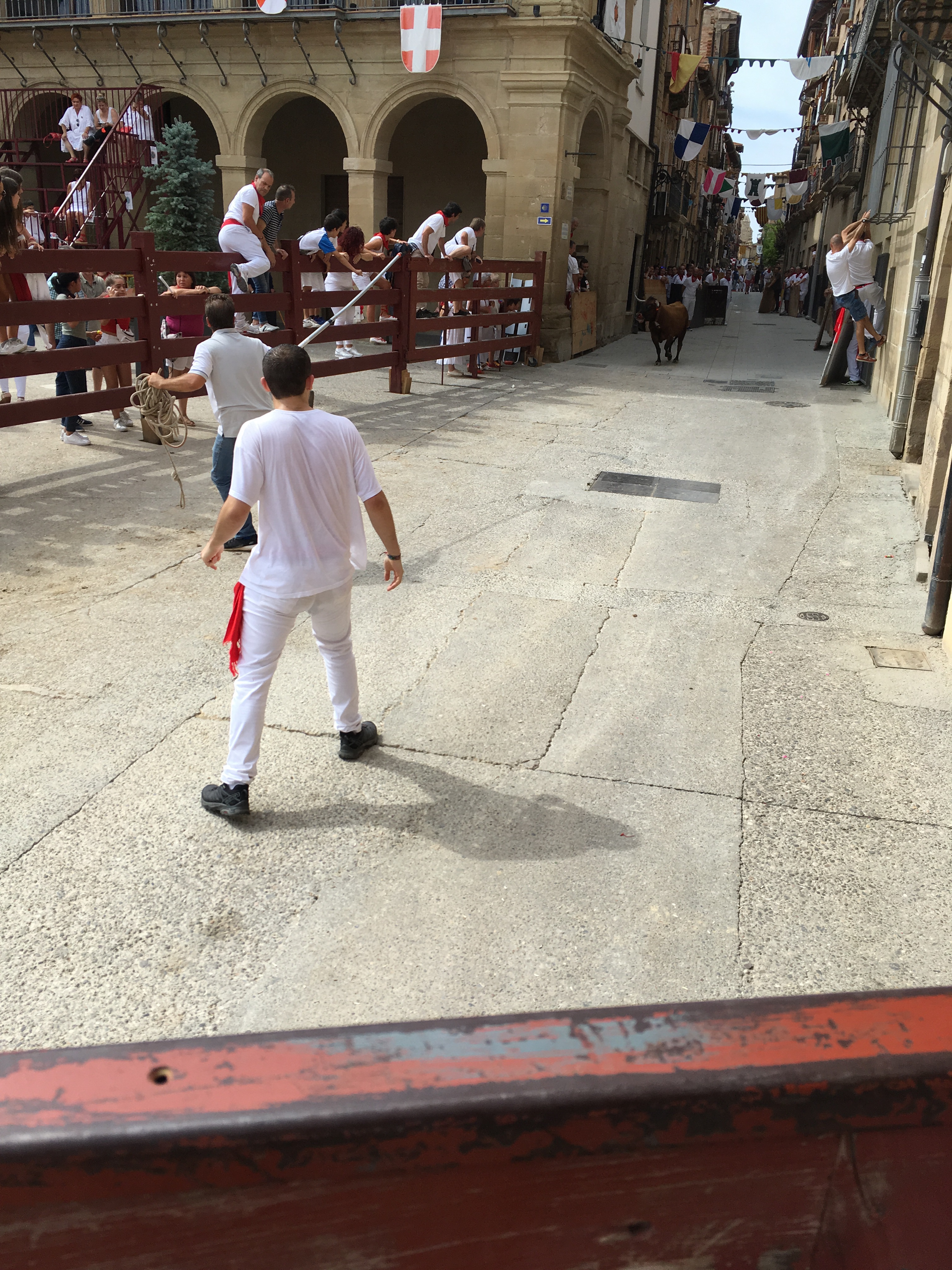
I finally limped into Viana to find a festival going on and parts of the Camino path through town closed for bull running. Yes, just like in Pamplona: bulls in the streets, with men in white shirts and red bandannas baiting them and running like hell. I didn’t care for it; the bulls were scrawny and pitiful looking and it just seemed cruel.

I arrived at the albergue to find the private room I’d reserved given away to some tour group. I did however get a coveted bottom bunk.
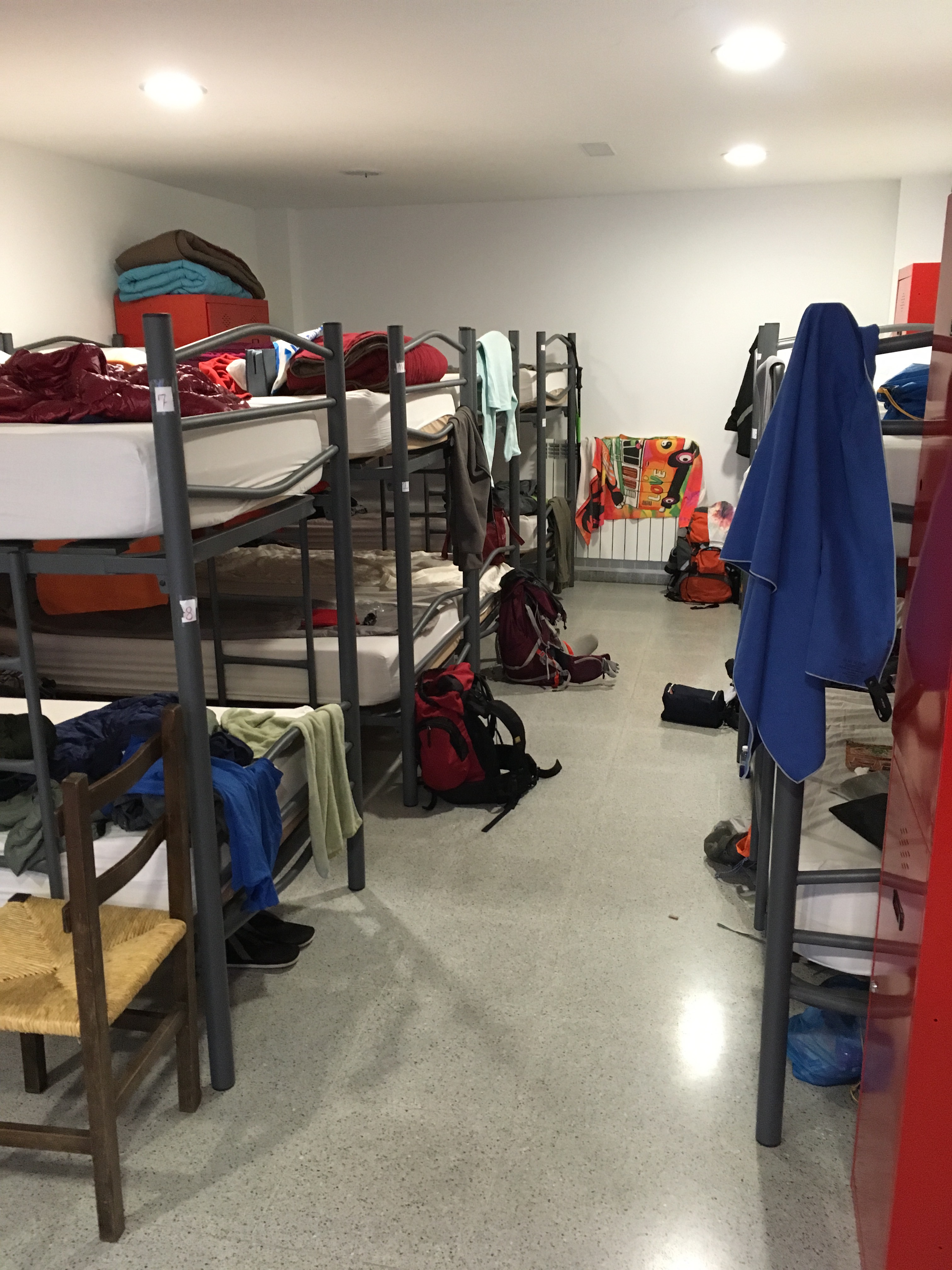
Bad Pilgrim Etiquette: Pack on bed

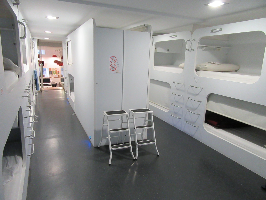
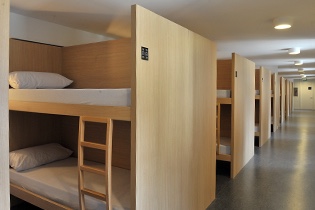
The other end of the bunk room is shown above. Pretty tight quarters. Europeans are somewhat less concerned about modesty, so facilities not segregated by gender are common and, hey, everyone behaves like an adult.

The albergue served a Pilgrim Menu dinner and I spent time with a group of women with whom I’d gotten acquainted on the path. All were over 50, two were from Australia, one from the U.S., one from Canada, and one from France. We got on very well and had fun discussing our Camino so far. These are the kinds of connections you make on the Camino.

I also ran into a retired Canadian Army Major, whom I had met in Orisson on our 1st Camino stage. He was one of the guys I got together with for pinchos in Pamplona and he was having significant pain from an old ankle injury.

I had planned a rest day in Logroño, and so he and I hatched a plan to split the cost of a two-bedroom Airbnb-type apartment I found there in order to rest our injuries.
Stage 7: Estella to Los Arcos

16 Sep 2019 – 22Kms

I got an early start out of Estella after the standard “pilgrim menu breakfast” (toast, butter, jam, orange juice, and coffee – no protein – for 3 Euros) and we climbed steadily out of town.

I now have large blisters on both feet and after a short while it feels like the soles of my boots are paper-thin. The trail surface does not help – packed dirt with lots of sharp rocks sticking up.

Today a lovely Rose was on offer

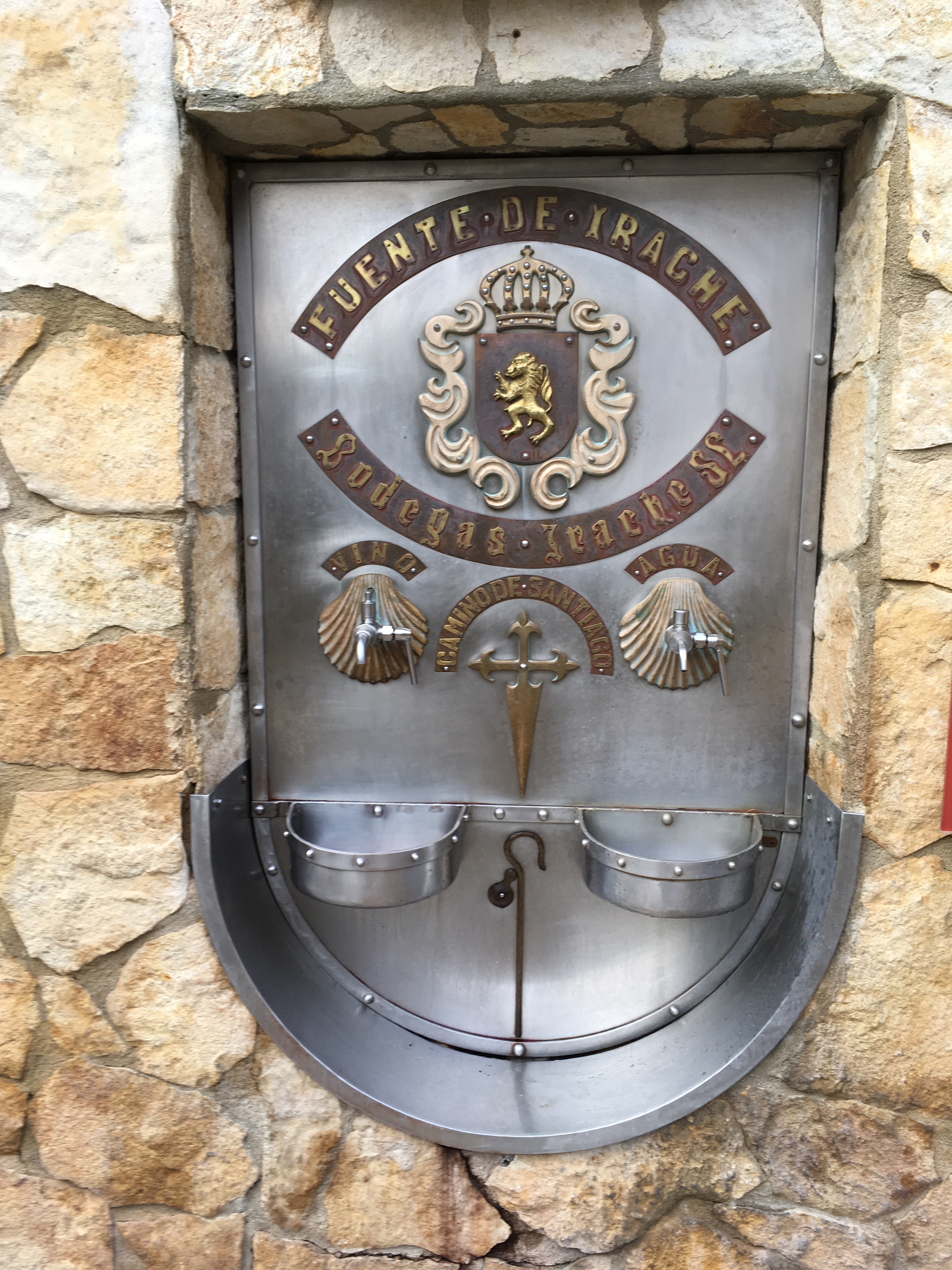
Not far from Estella, I came to the famous Irache Wine Fountain, provided for pilgrims by the Irache Monastery. Free wine, right beside the Camino path! Pity it was 8:30am – I just had a taste. Lovely bouquet.

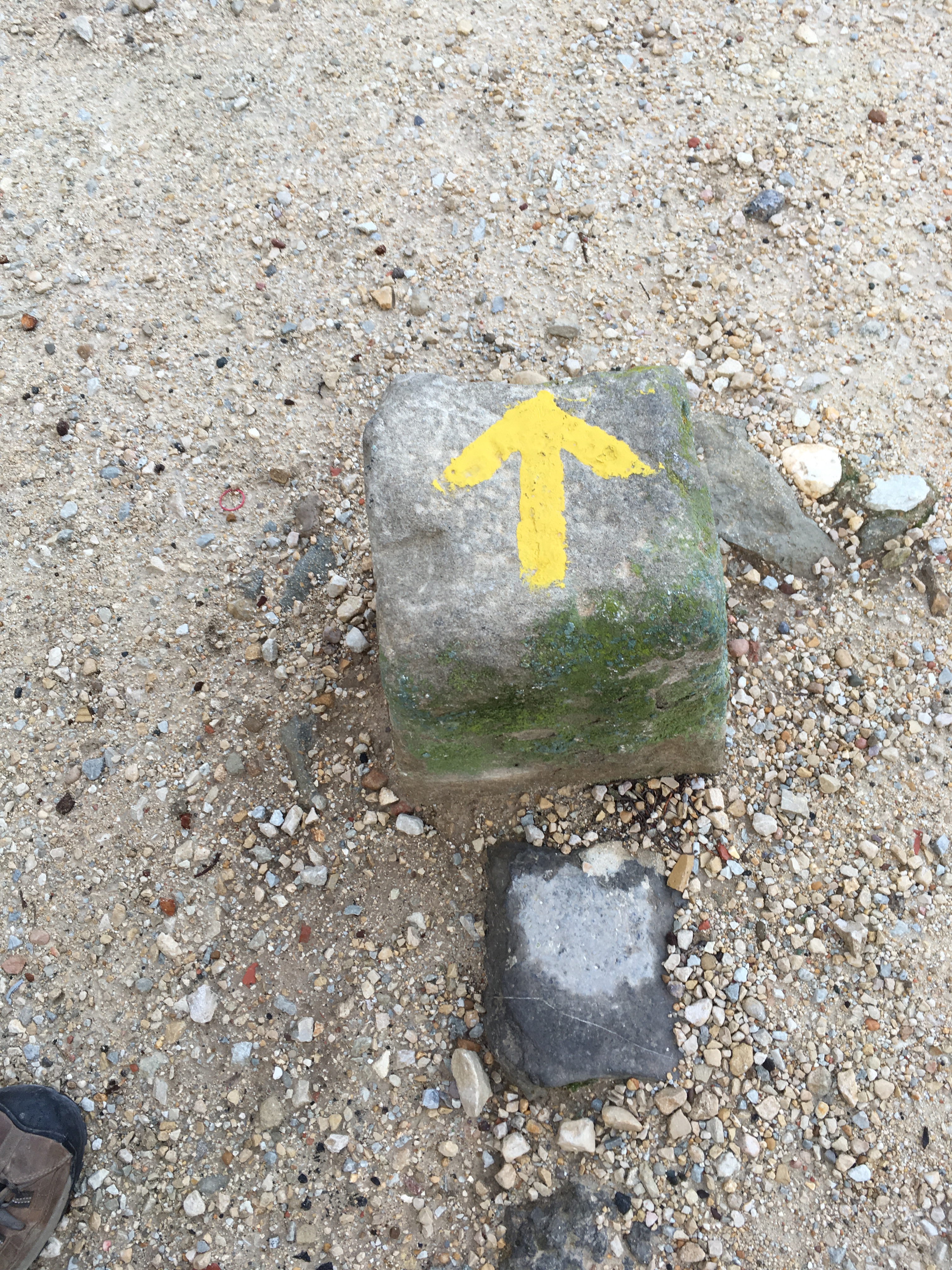
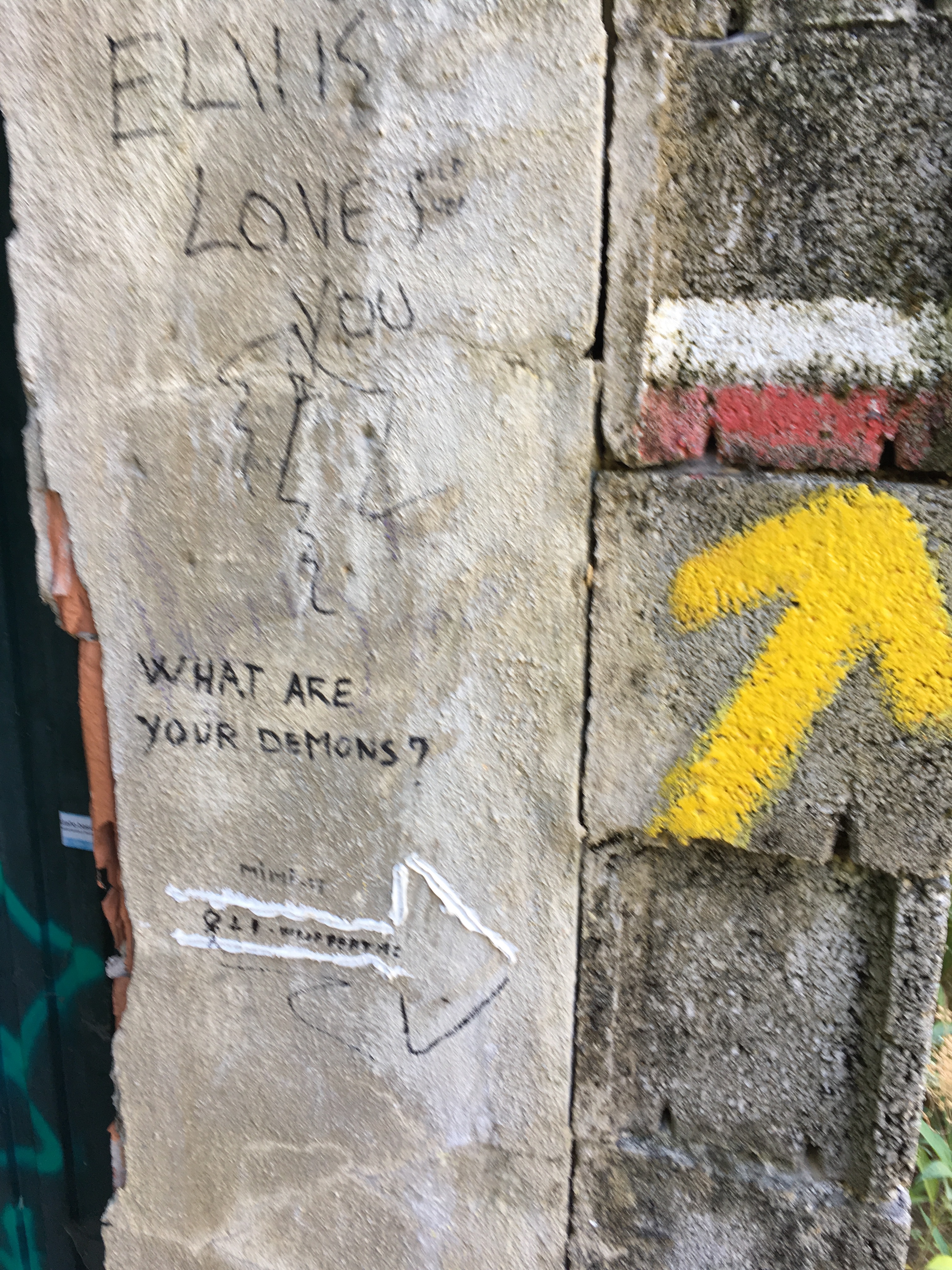
In addition to official Camino route markers and signs, I’m guided by a series of yellow arrows. These were originally painted by a parish priest and Camino devotee named Don Elias Sampedro. In 1984, he put in motion his mission to rescue, clean, and mark the trails along the Camino. I wouldn’t have been able to negotiate my way through small towns, past rural crossroads, and across major highways without these arrows, which appear on sidewalks, streets, walls, rocks, and more.

My feet were killing me when I arrived in Los Arcos, so I hobbled over to a nearby farmacia for advice and supplies. Their suggestions help but I remain very concerned about my feet.
There’s not much to Los Arcos, described as “having a population of 1,200 and declining”. I put myself into a pension, essentially a B&B but with a pilgrim menu breakfast. I ate dinner nearby and shared a table with a young couple from Utah – they were walking 32Kms per day! Too ambitious for me but let’s see what tomorrow brings.

Stage 6: Puente la Reina to Estella

15 Sep 2019

The guide books say this is a stage of “primarily rolling ups and downs”, but I beg to differ. I think the authors need to review! There are a few steep ascents and descents. They also use the phrase “stretches of authentic Roman road” as if its romantic or special; the truth is the Romans who built and maintained those roads are long, long dead and there’s nothing romantic or even smooth about these parts of the path. Perhaps if we all wore steel-shod Roman Legion boots?

This is one of the best Camino path surfaces… no rocks!

At any rate, it’s a very pleasant day, mostly sunny with moderately warm temperatures. I continue my trek westward, sharing the universal greeting “Buen Camino” with other pilgrims. We are a mix of so many origins and languages and this Spanish greeting becomes our lingua franca.
We’re also in wine country and acres of vines surround us. The vines are heavy with grapes and harvest time is coming soon.

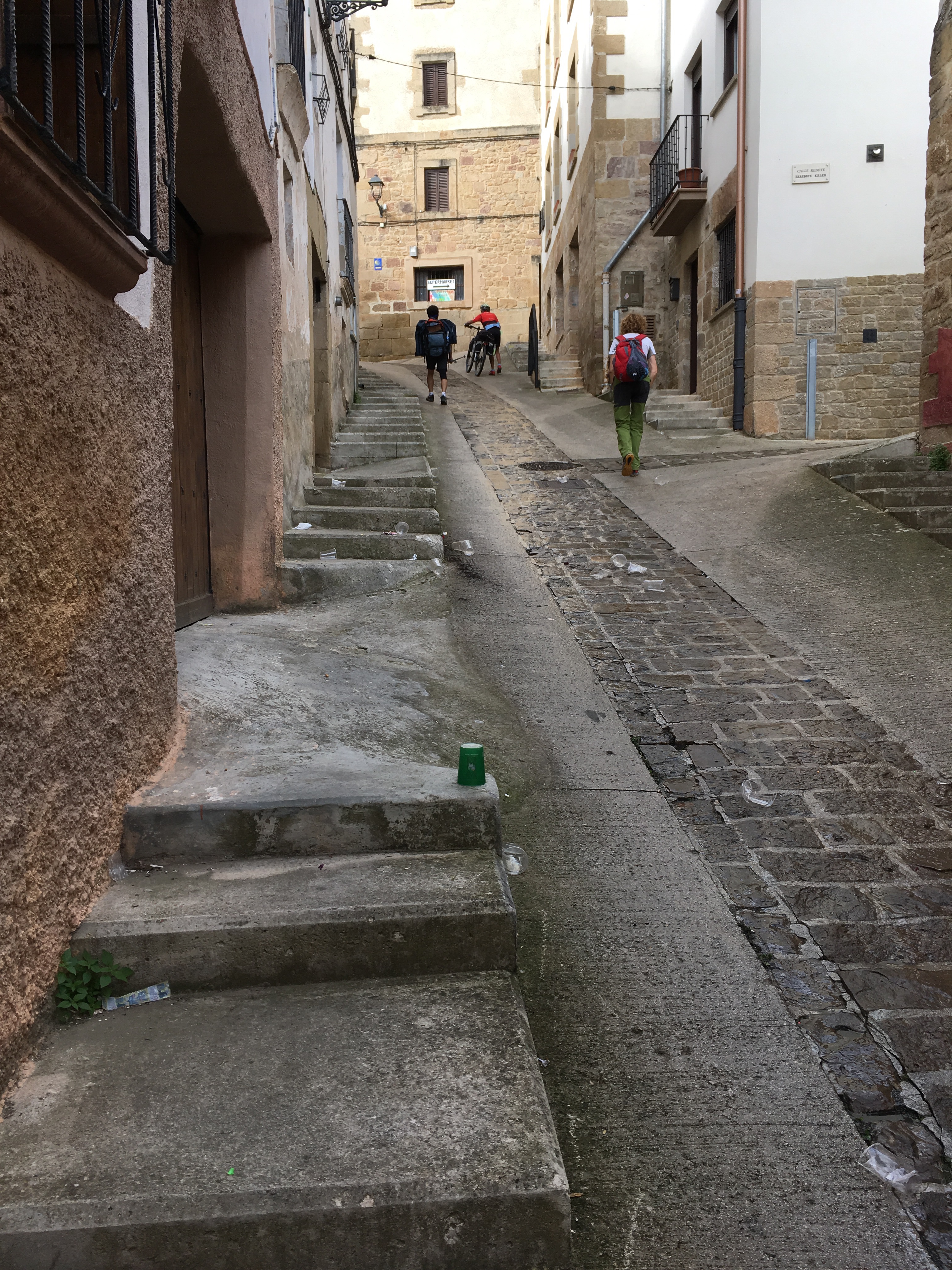
The Camino also takes us through “hill towns”, up and down their incredibly steep streets. Pity the poor bicyclists and I saw one lady struggling with a regular piece of airline luggage on wheels! I have no idea how she negotiated the path.

After 22Kms, I reached Estella and I was pretty weary. Worse yet, I have to trudge all the way through town to get to my albergue, The Capuchinos Rocamador. No, it’s not a place that specializes in coffee drinks – it’s a “parochial” albergue, run by the church or a monastery. I wanted to try one out, to see what they’re like. This one was spare but clean and had everything (lounge, laundry, food) that a typical albergue has. They usually have a “pilgrim service” available too, a mass or blessing of some sort.

Their three-course Pilgrim Menu induced a wonderful beef stew, which I very much enjoyed.

Tomorrow, feet willing, I’m off to Los Arcos.

Stage 5: Pamplona to Puente la Reina

14 Sep 2019

Pamplona’s Historic Town Hall at 6:45am

One feature of Pilgrim life is that we often leave town quite early. It’s quieter and cooler, especially in cities, and we have to be out of most albergues by 8:00 or 8:30am anyway. I took the photo above while walking out of pre-dawn Pamplona.

Where I’m headed: zoom in on the right side of the ridge above to see the line of wind turbines

Today I’m walking 24km, up and over the Alto de Perdon mountain pass and down into an area of wheat and grape vine fields, to Puente la Reina. Both the ascent to 790m and the descent afterwards are especially challenging. I have plenty of company, including pilgrims on electrically-assisted mountain bikes (not sure how I feel about the correctness of that).

More Camino wisdom and rock pile statues

It turns out that these hikes are hard and physically demanding. Yet there are all kinds of people out here, old and young, fit and not, small and large, and all are determined to make their goal. Some pilgrims, due to vacation constraints, make the journey in two week segments, coming back year after year until they’ve completed it all. We form a community based on shared desire and on endured hardship.

After 4.5 hours of walking, here are the turbines up close

I finally reach the top of the pass and find my friends Laurent and Claude enjoying the view with a little lunch from a food truck.

This famous sculpture is just below the turbines…
…and this interloper has joined the pilgrim parade

Descents can be very difficult. They’re hard on the knees and the footing is often unsure. Carrying a backpack shifts your center of gravity, making it harder to react to the unexpected; slipping and falling would be disastrous. Use of trekking poles for support and balance is mandatory for me.

The Camino path features many different surfaces, but the one shown above, especially for a decline, is one of my least favorite. Those rocks range from apple-sized downward.

Looking back up at the pass after finishing the descent

Unfortunately, some foot damage has been done and, when I get to my albergue, I find some serious blisters have developed on my feet. This is not unusual but it’s discouraging given that all of my training walks, sometime 3-4 hours long, didn’t produce any blisters and I had sort of hoped that I’d toughened up my feet and was immune. In addition, after taking 31,000+ steps today, my feet are just kind of bruised, so walking is painful.

A nice couple from Valencia saw my feet and offered me some soothing after-hike foot lotion, which felt good but didn’t do much for the problems. Naturally, on the the topic of foot care, every pilgrim has advice (solicited or not) to offer.

That night I experienced my first episode of uncertainty about being able to continue the Camino. That really shook me.

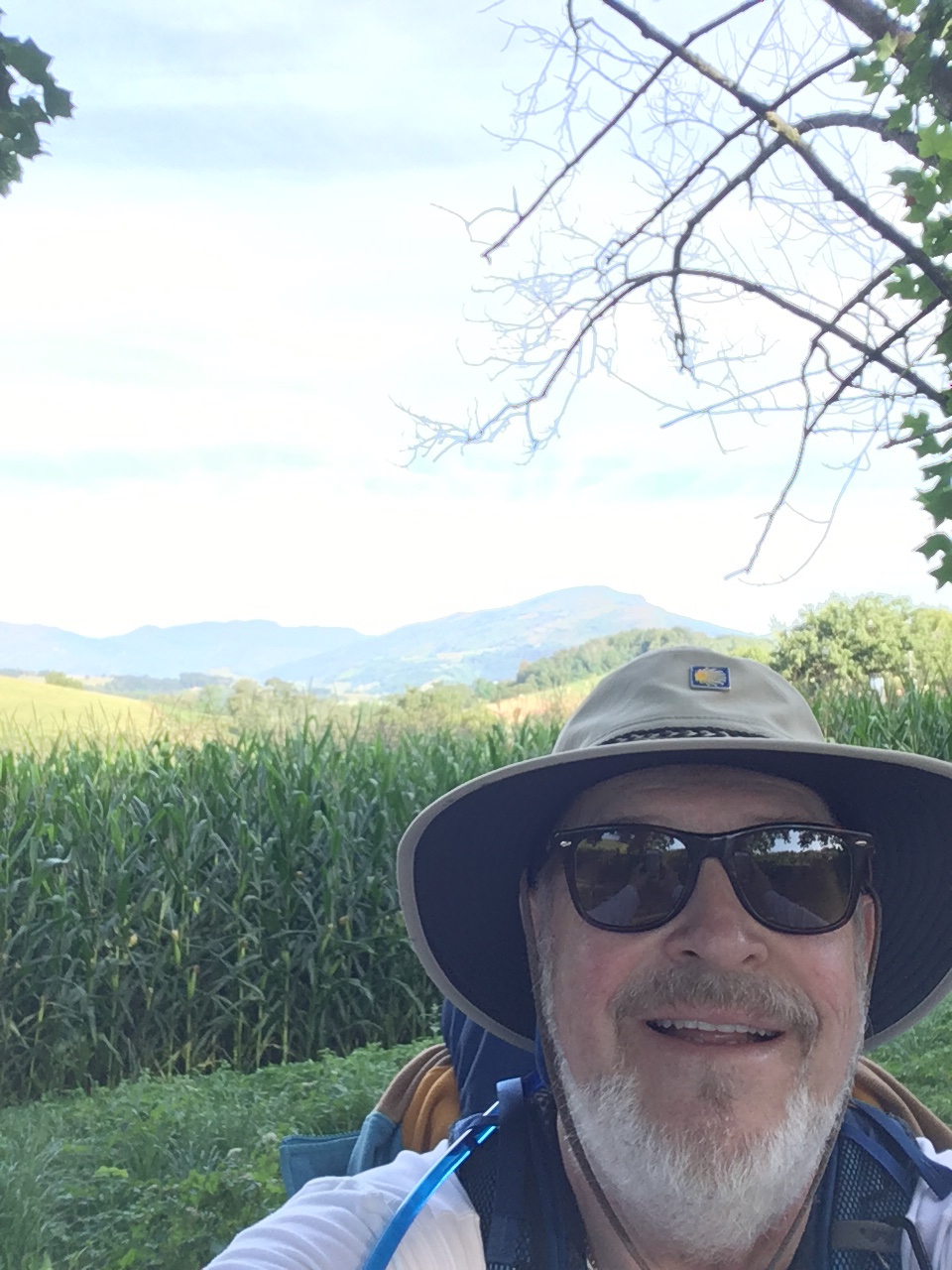
Luckily, I found that Laurent and Claude were staying nearby, so I hobbled over to join them for dinner, and temporarily washed away my concerns with some excellent Sangria. Laurent, an accomplished amateur photographer, took this portrait of me. It turns out I may have lost a few pounds on the Camino.

The next morning, I forced myself to not think about quitting and just went through all the usual pre-departure steps. And I soon found myself walking out of town with all the other pilgrims in the pre-dawn hour, instead of taking a taxi back to Pamplona.

Onward!

Pamplona: Casa Ibarrola and Pinchos

13 Sep 2019

I planned a rest day in Pamplona and by dumb luck wound up staying in Casa Ibarrola, an exceptionally well-planned and -run albergue.

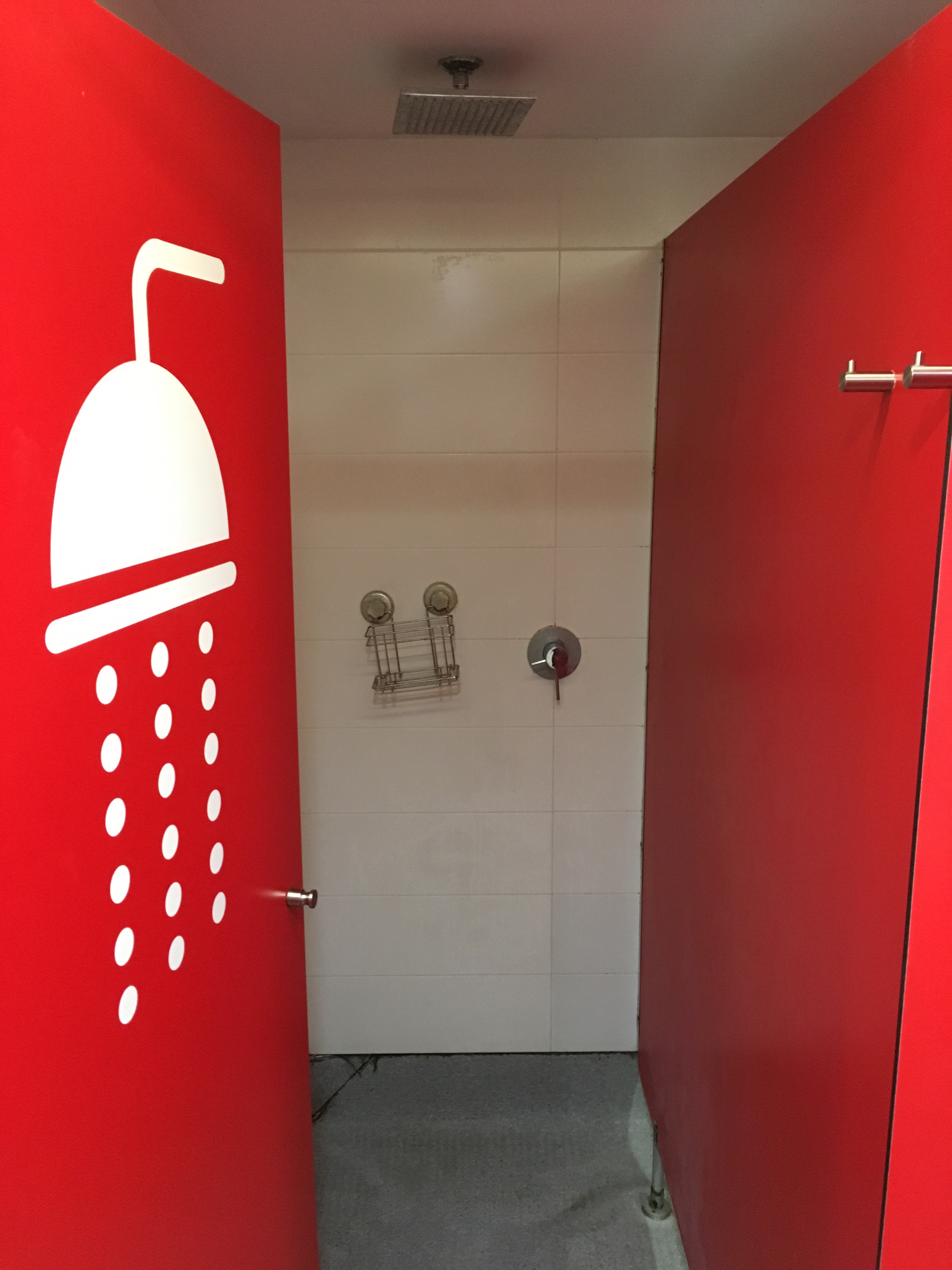
Two brothers came up with this albergue’s design and implemented a bunch of clever ideas. One of them was to locate the bunkroom a floor above the showers and toilets, which keeps noise and smells away from the beds.

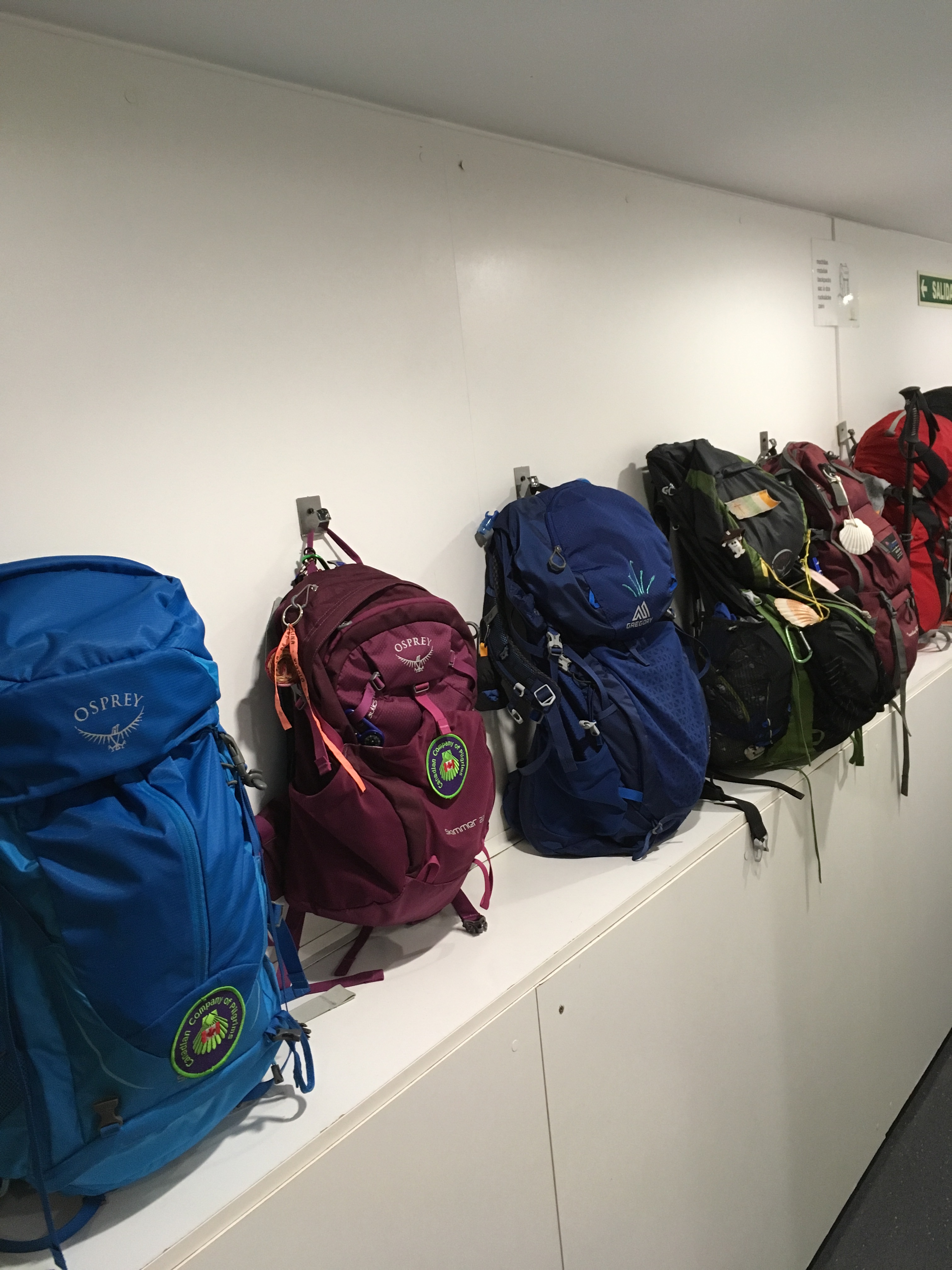
The backpack storage area, shown above, keeps them off the floor and easy to access, but away from the bunks. Unlike your boots, you can take your pack to your bed, but you’re asked not to leave it there long term, reducing potential floor clutter.

The albergue sleeps only 20 and has separate showers and bathrooms for men and women. All fixtures and hardware are very high quality.

Perhaps the most interesting items are the modular bunks. Each bunk includes a lockable storage cabinet inside the sleeping area, a light, several power outlets, a shelf above the pillow, and a privacy shade. Really well done, unusual, and comfortable.

Hospitaleros Caesar and his brother have done a great job in creating the place and they could not be kinder or more helpful in dealing with every situation. I was delighted to have stayed there.


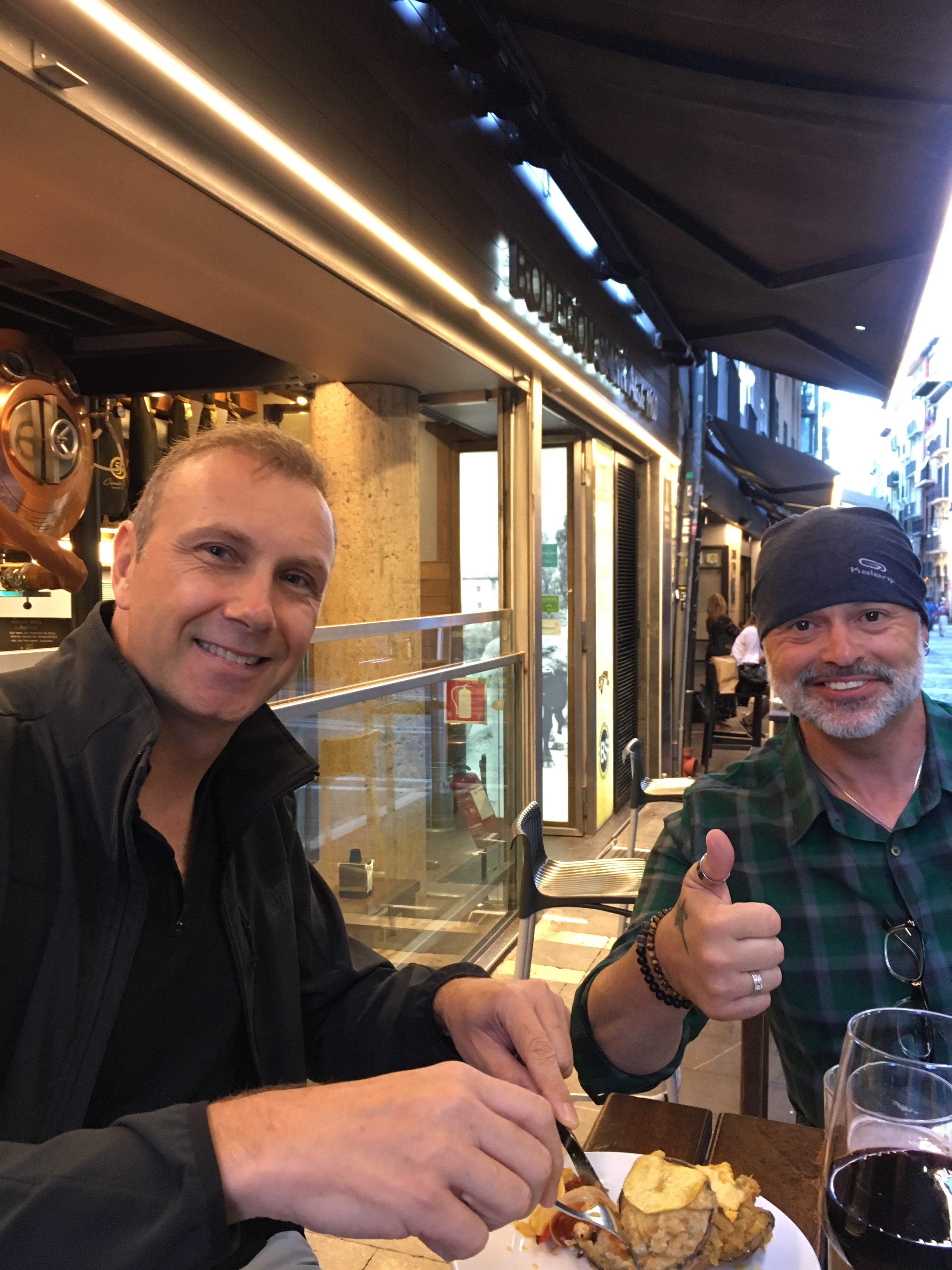
Pamplona itself is charming and is, of course, famous for its “running of the bulls” festival. I ran into two fellow pilgrims in Pamplona that I’d met in Orisson, Laurent and Claude:

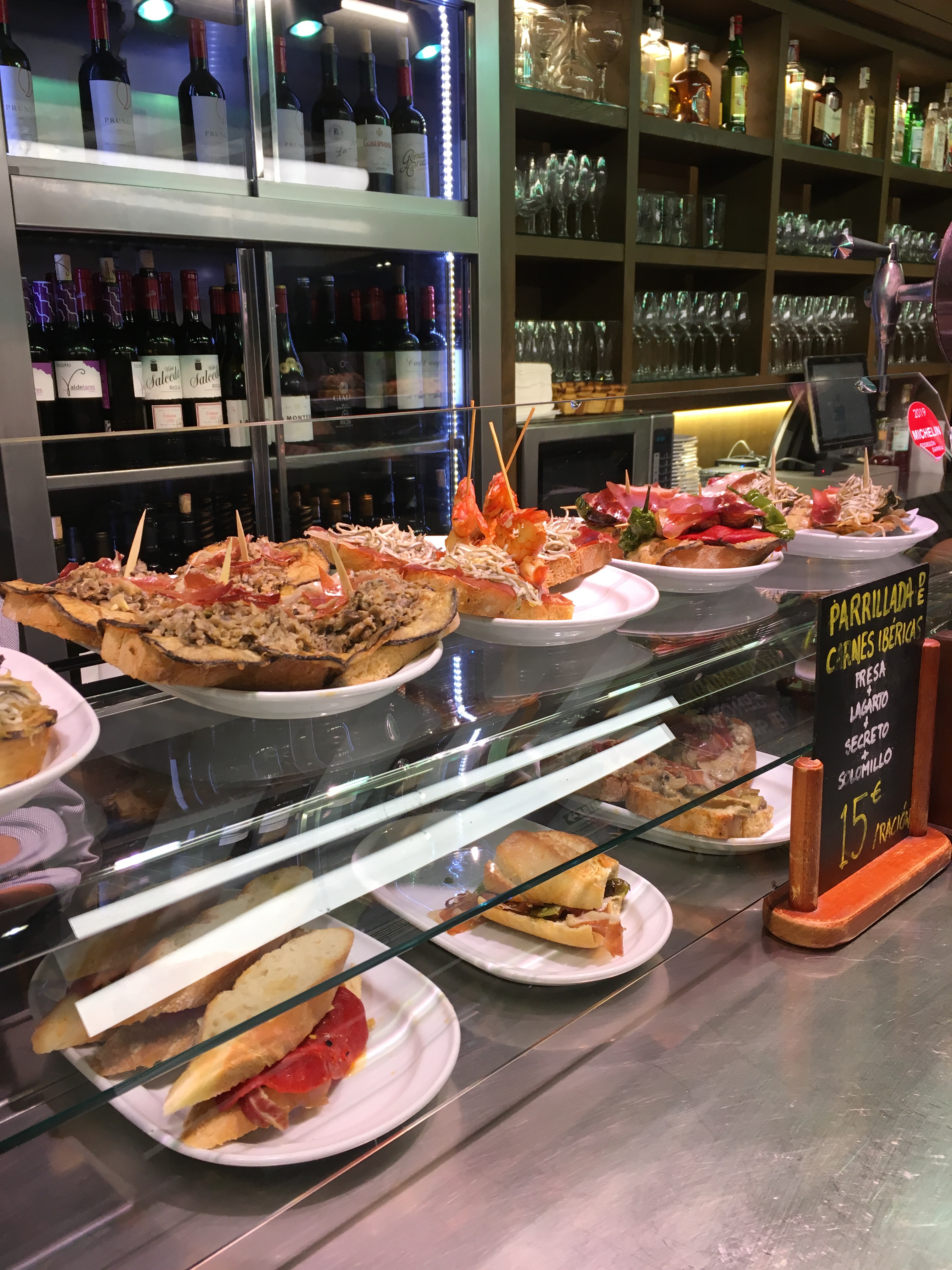
And we made a night of going to Estafeta Street, on the bull run route, and popular for its pinchos (tapas). The drill, supposedly, is to make your way down the street, having one pincho and small glass of wine, at several establishments. In my mind, this assumes that the pinchos are small hors d’oeuvres. They’re not:

In fact, they’re very large and some are works-of-art. In addition, the wine serving is not the thimblefull that would enable you to wander from bar to bar for hours.

Most pinchos are only 3-4eu (including the wine) so it’s hard to go broke. We had fun on a limited scale and everyone survived the night.

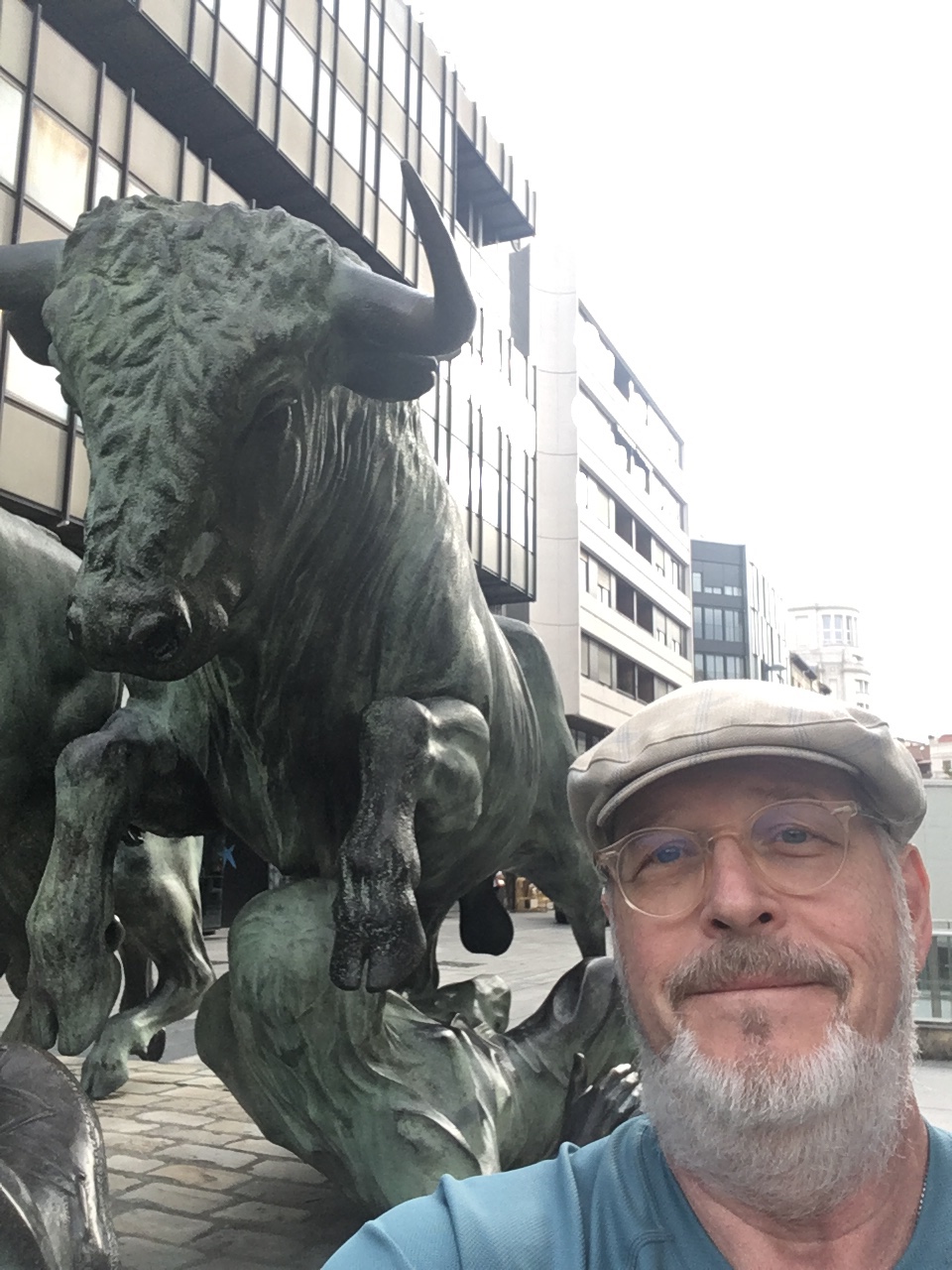
The next day, I did manage to locate, and get a selfie with, the famous running bulls statue:

Pamplona is a very pleasant city, with lots of parks and plazas, and was a nice, temporary break from the Camino.

Stage 4: Zubiri to Pamplona

12 Sep 2019 – 21 Km

The loudly snoring Spaniard across from me kept me awake most of the night, despite wearing ear plugs. The woman in the bunk above him gathered up her stuff in great disgust in the middle of the night and went out to sleep in the dining area. So it goes.

My legs and knees seem to be recovering nicely overnight, and I’m careful to stretch before going to bed and before setting out in the morning.

The general pattern of the albergue (hostel) routine is taking shape: arrive mid-afternoon and check-in, plead advanced age in order to get a bottom bunk, leave your boots and trekking poles in the Boot area, find your bunk, empty your pack and lay out your sleeping bag, get your shower kit and take a shower, get your laundry kit and do your laundry (usually by hand), have a snack and/or take a nap, have dinner and meet people, go to bed around 8:30pm. Get up at 6:00am, wash your face, pack your stuff, have breakfast if available, put on your boots and get out by the required 8:00am. Rinse, wash, repeat.

Secondary system of yellow arrow markers often includes interesting remarks

The security of your valuables (cash, credit cards, passport, and mobile phone) is paramount and you never go anywhere without them. Even into the shower. I have a waterproof tote bag that I load with clean clothes, shower stuff, my camp towel, and my valuables, and it goes right into the shower stall with me every time.

Albergues do not usually provide: sheets, towels, shampoo, hand soap, hand towels, or laundry soap. Lucky for us, toilet paper is provided. All that other stuff, you must bring with you.

Unusual hiking gear spotted on the Camino

Zubiri to Pamplona was a nice, dry, sunny walk, not too hot, and with plenty of shady intervals. Also plenty of rock-strewn path sections going sharply up and down. It’s amazing how quickly you learn to spot the flatest, least-rocky part of any path and get your feet onto it. After the horrible descent into Zubiri, these 21 Kms seem somewhat easier.

Zoom in to appreciate the rocky surface

Nonetheless, I was really exhausted when I reached Pamplona and, of course, after winding through a few kilometers of city streets there was a very steep, cobblestone lane up into the old town at the end. I was really excited to find my albergue waiting for me at the top and, bonus, the bunk room was air-conditioned. More about this unique and well-run albergue, Casa Ibarrola, in a future post.

Today’s expenses:
– Breakfast: 4eu, Snack 3eu
– Casa Ibarrola: 32eu (for 2 nights)
– Round of pinchos (tapas) for me and friends: 24eu

Stage 3: Roncesvalles to Zubiri

11 Sep 2019 – 22.3 Km

I slept in a bunk cube at Roncesvalles with two Italians and a young French woman. While the lavatories and showers were segrated by gender, the randomly-assigned bunks were not.

There’s quite a lot to be said about the vagaries of albergue life. Roncesvalles, for example, had a full “laundry service” in the basement, where staff would wash, dry, and fold your laundry for 3.5eu. They also had a nicely-equipped kitchen where you could cook your own meal (assuming you hauled the ingredients in with you), a large room with tables and outlets (the digital device use room), and a lending library, all quite modern.

The two friends I made at Orisson the first night, Claude from Quebec and Laurent from Miami, met me for a beer last night and we compared sore leg muscles.

Lights out at 10pm was signaled first by the playing of recorded soft Gregorian chants (it’s a monastery, after all). In the morning, they were played again starting at 6am, in increasing volume. A nice touch, I thought. We all had to be out of the place by 8:30am.

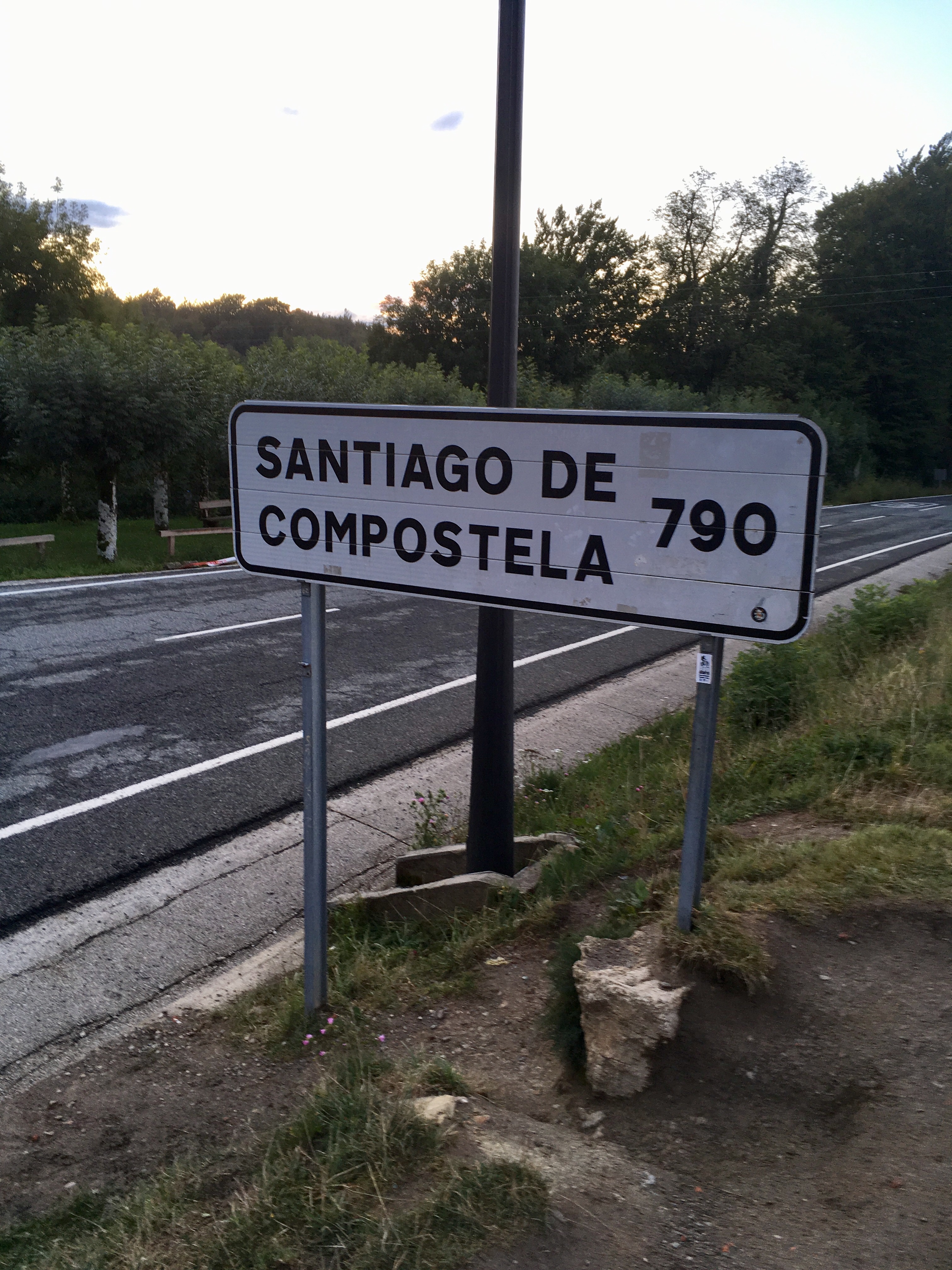
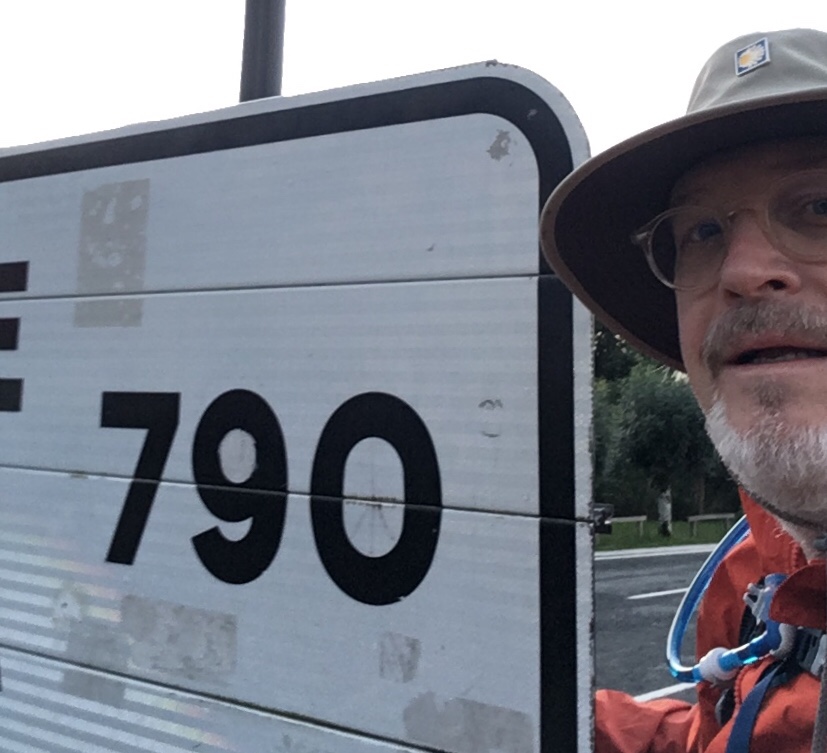
The Famous 790 kms sign..
…so having covered 24 Kms, I have only 790 more to go. Piece of cake!

The 22 Km walk to Zubiri is today, and it’s “relatively” flat. Meaning bottled oxygen will likely not be necessary, but there will be some heart-pounding inclines and some knee-killing descents. At least there was no rain and the temperature was comfortable.

Local art encourages pilgrims

There are a lot of interesting art installations, public and private, along the Camino and I’ll try to show you more of them.

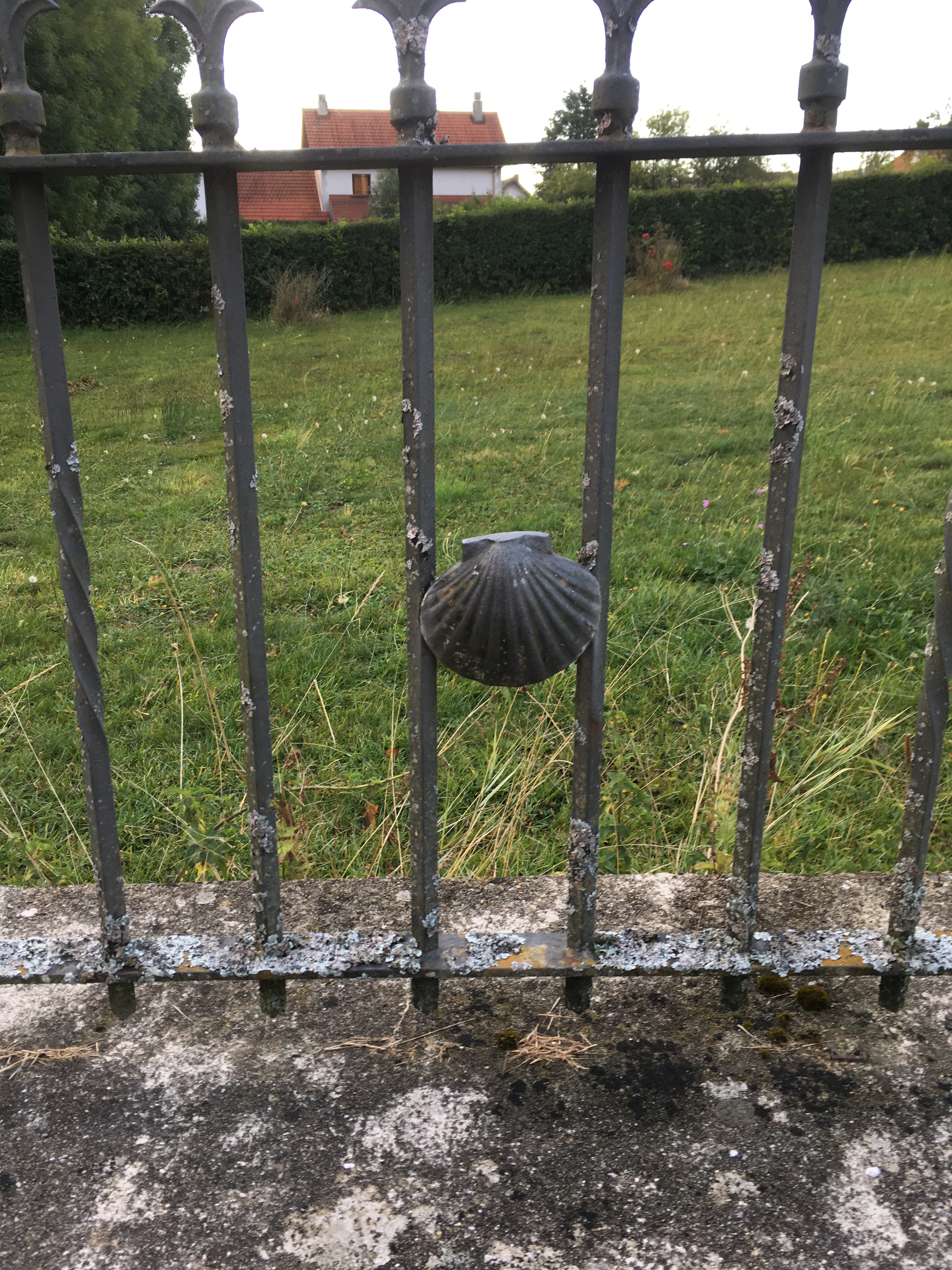
This is one of the markers that guides us as we go along. There are also a series of painted yellow arrows. They give you confidence that you can always find the Camino route.

Municipalities also help mark the route…
… and so do local property owners.

The last part of the day features extreme descents down paths created from jutting rocks and flat rock formations. Really, really treacherous, even with trekking poles for extra support and balance. I was reduced to going down sideways, one leg at a time in places, for a hundred yards. This is where Camino-ending injuries like twisted or broken ankles happen. Talk about tired legs!

I finally reached Zubiri after nearly seven hours, dead beat. I was very happy to easily find my small albergue and get myself installed. As an official “Viejo” or Old Guy, I continue to get a coveted bottom bunk.

How I Feel: Everything hurts, legs and feet exhausted. I’m concerned about my legs and knee tendons, which are quite sore. Trapezius (shoulders) aching, clearly backpack is too heavy. All other systems seem good, although I again feel like I was too tired to sleep properly. Wondering if I can really do this, and when (if) I’ll get a good night’s sleep.

Expenses today:
– Coffee, mid-morning snack: 4eu
– Albergue Zaldiko: 10eu
– Dinner: 5eu

Stage 2: Orisson to Roncesvalles

10 Sep 2019 – 16 Km

I awoke the next morning, stiff and tired, but in a self-congratulatory mood for having made it this far, to a light drizzle and 46-degree conditions.

There would be no sunny walk over the mountain for us today.

Off we went at 7:30am, a wet, brightly-colored stream of rainsuits and ponchos, gamely going ahead despite lousy conditions and more inclines.

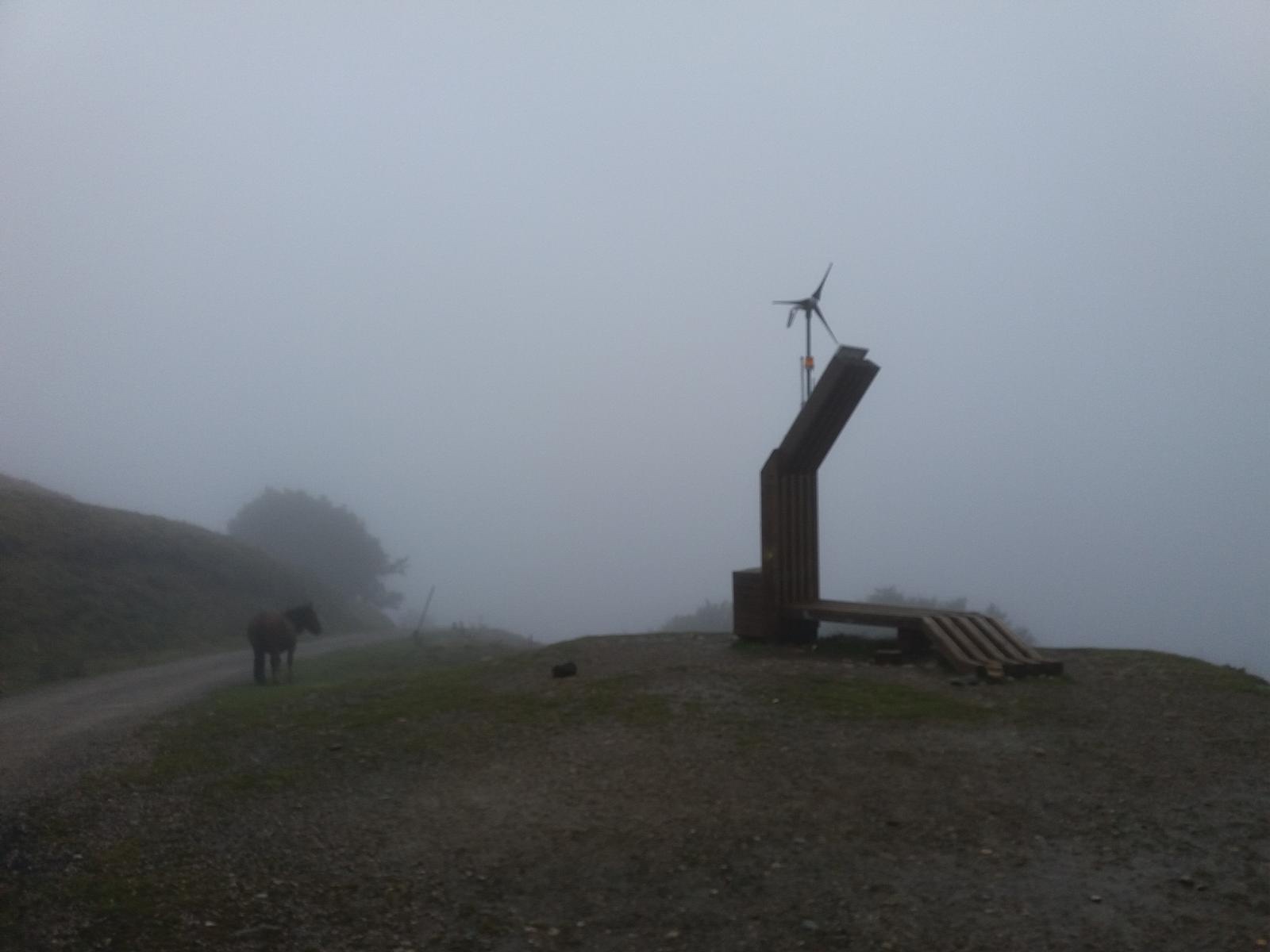
For the next seven hours, it rained (quite hard at times), shrouded us with fog, drove the temperature down into the 40s with winds, and flooded the trail.

Unbelievably, there were folks up there in shorts, tennis shoes, poncho, and no headcovering (mostly stout, resilient youngsters). I was in a hooded rain jacket, rain pants, and waterproof gloves, with layers underneath, and I was still cold at times. It was often hard to see ahead and I rounded one curve to find four huge horses nibbling brush along the path, looming out of the fog before me.

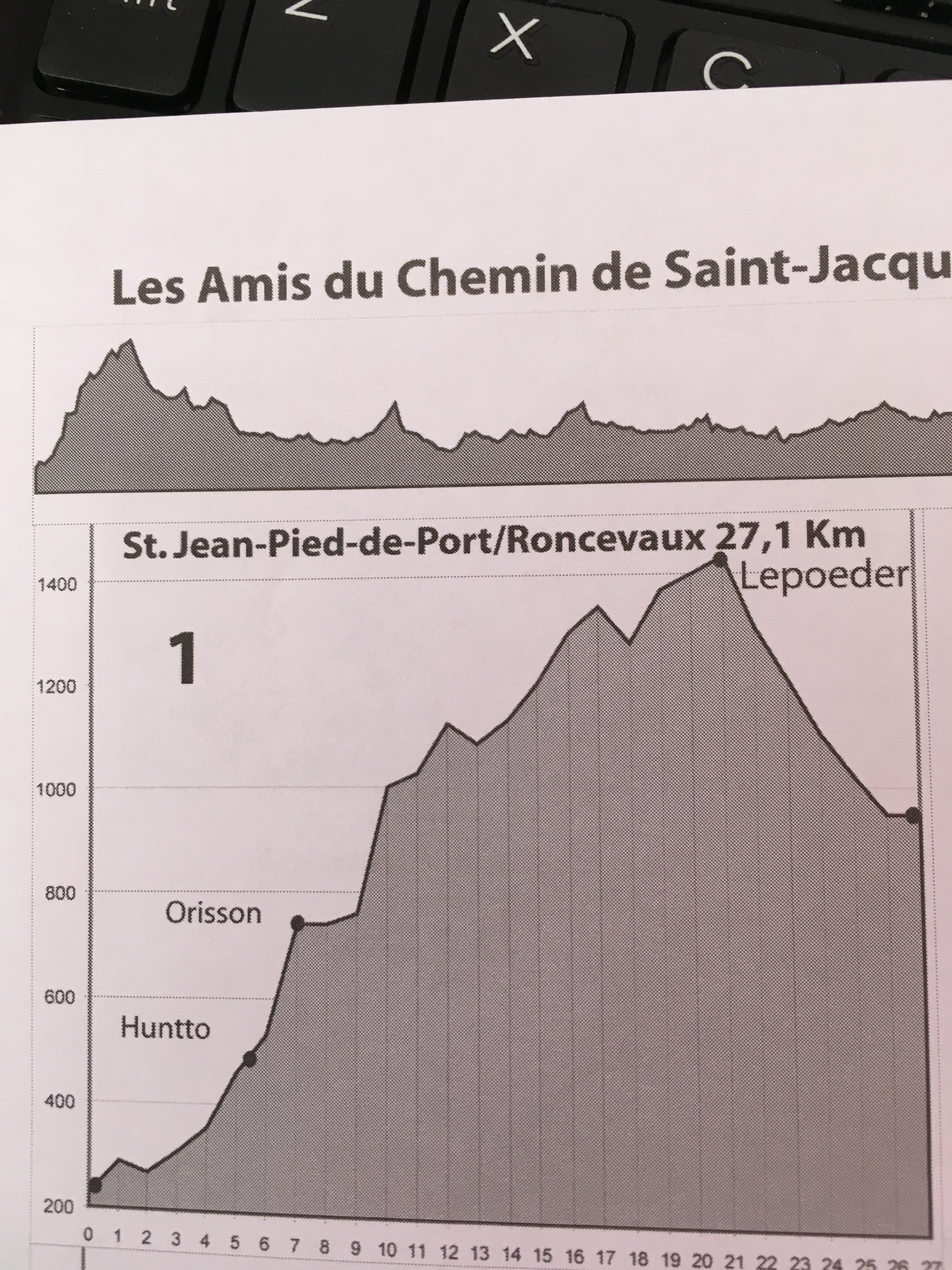
The elevation change, from Orisson to Roncesvalles, for reference

Our highest elevation was 1429 m/4689 ft and it had an affect on stamina. Once over the peak, descending was slippery at times and also hard on the legs and especially the knees. Young folks streamed by me on occasion like they were heading for homeroom.

At the top, with strong winds

I soon established that I’m a slow hiker and nearly everyone will pass me. That’s OK but it’s occasionally discouraging.

And I established that putting important route instructions inside a pants pocket inaccessible while wearing rain pants is not a bright idea, as I almost missed the important turn off at the weather station above.

We also established a Camino fact: just as you think you’re about to reach your destination and your weary legs begin to rejoice, another kilometer of hard ascent or descent will appear, giving you a final kick in the teeth.

Taking those final exhausted steps to the Albergue, on some sunny day

Arriving at Roncesvalles was like reaching the Promised Land and I imagine pilgrims hundreds of years ago rejoiced at seeing it almost as much as I did.

First Stop: The Boot Room

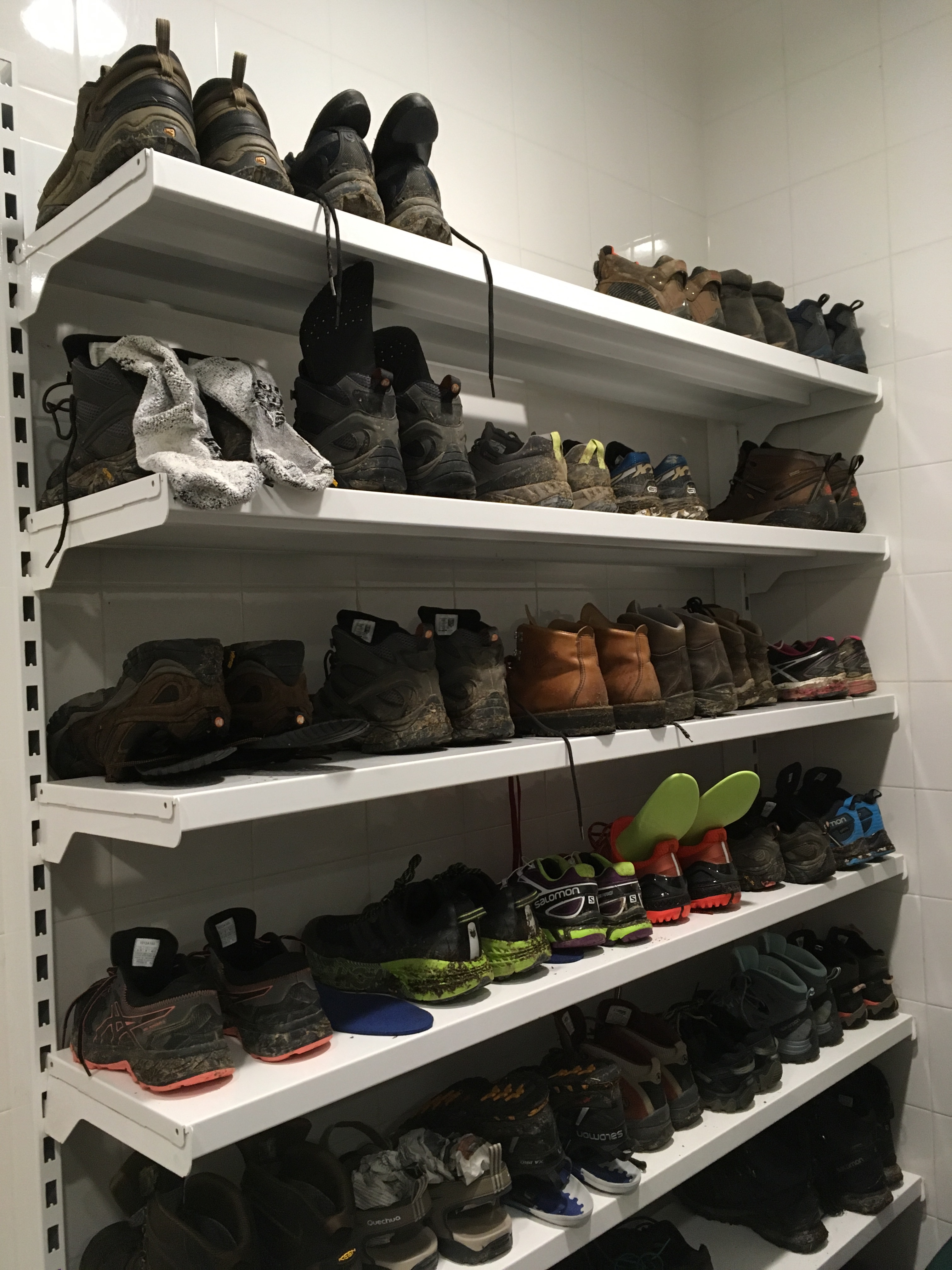
Boots and trekking poles are deposited in a special room, to keep the stink and dirt away from living spaces.

Ultra-modern bunk modules

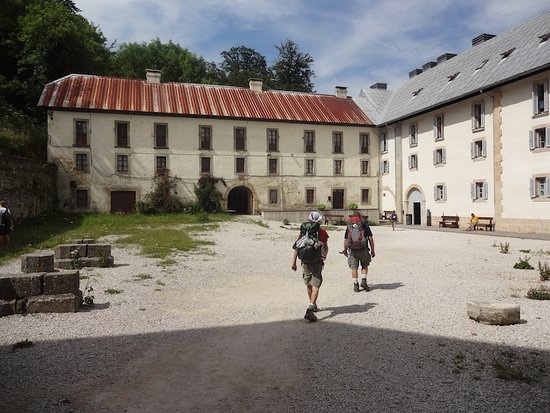
Though the monastery and albergue are ancient, they have updated the interior nicely and can sleep 180. The bunks are separated into modules of four beds and each bed has a lockable, backpack-sized locker. Nice showers, too.

Dinner was offered at a nearby bar and hotel. More later about the “Pilgrim Menu”, an exhausted sleep-of-the dead is calling my name.

Expenses today:
– Snack: 1eu
– Beer: 4eu
– Alberue Roncesvalles (incl dinner/breakfast): 28eu

Stage 1: Saint Jean Pied-de-Port to Orisson

9 Sep 2019, sunny and mild – 8 Km

Looking back on my expectations of this day, I had no idea how difficult it and the next few days would be.

I chose to break the traditional Stage 1 walk into two parts and spend my first night at Refuge Orisson, a small lodge perched on the side of a mountain. There are no other establishments nearby. I’m absolutely amazed that some people do the whole traditional Stage 1 walk (24km/16m) in one day.

I left St. Jean at 8:30 am, anticipating a 4-hour hike to cover 8km. As soon as I left the town, walking along a road, the incline began. Within 20 minutes, I was shedding clothing layers. Passing through rolling farm lands, but ever upward, it was interesting to see how sensitive my legs became to (and rejoiced at) even the slightest hint of a flat, or less-steep, road section.

Still smiling at this point

The Camino path headed up numerous steep roadway switchbacks, and occasionally there were very steep “short cuts” that cut across them, sometimes at an incline of maybe 60-degrees. As I climbed, the views became spectacular.

However, despite training a lot for five months for this, I was often aerobically exhausted and had to pause to get my breath and let my pulse come down.

By 2:00, I wasn’t sure how much further I could go; I was stopping every 25 yards to rest. Then I rounded a bend and voila! Orisson! Never was a sight so welcome.

Orisson has 38 beds in several different bunk rooms. I was in a room with five other fellows, including two Israelis, two Canadians, and a Belgian. That has been the beginning of a “Camino Buddies” friendship with several of them. Orisson’s staff was great to us and quite funny.

Across the road from the lodge there’s a patio stuck to the hillside, which offered cocktails along with a fabulous view.

We had a communal dinner that evening, and carried on the post-meal tradition of standing and introducing yourself. Very nice, with Americans in the minority.

Getting a sound, exhausted sleep that night was tempered by the knowledge the 16kms were ahead of me the next day and that the weather forecast was for Cold and Rainy.

Expenses today:

– Lunch: 9eu
– Beer: 4eu
– Refuge Orisson (plus dinner/breakfast and sandwich for lunch tomorrow): 39eu

A Quiet Day Before I Launch

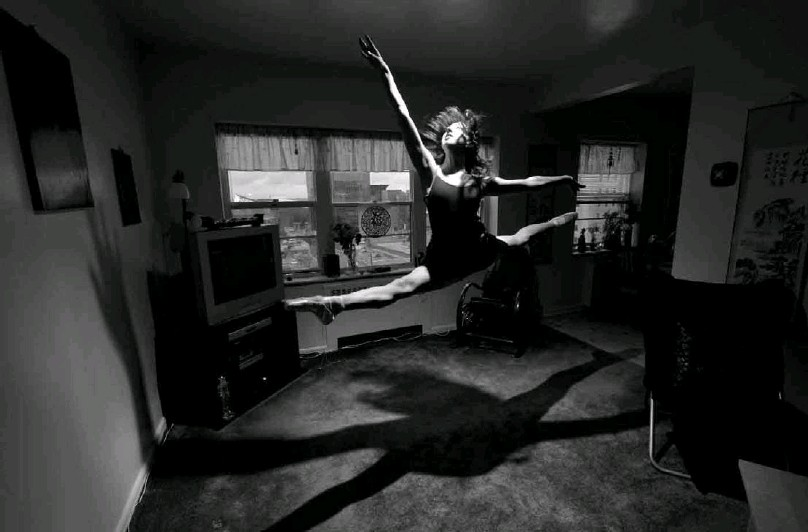
Allow me to introduce Crystal Hartford, a ballerina profiled a few years ago by the Washington Post in a story about the difficulties artists face in getting work.

I find this picture amazing because she made this stunning leap not on stage, not with a running start, but in her apartment! And yet, her execution is perfect. My immediate thought was “Nothing is impossible!”

And so this photo has been one of my inspirations in walking the Camino. I’ve kept it over my desk for years and have it with me here now. I’ve never met her, but thanks, Crystal.

It’s been another beautiful day here, and I watched this morning’s pelegrinos set out, wishing them the traditional “Buen Camino” greeting.

My hotel is just down from the official Pilgrim Office, where volunteers from all over the world provide guidance, weather forecasts, and encouragement. I got some good advice from a Canadian volunteer.

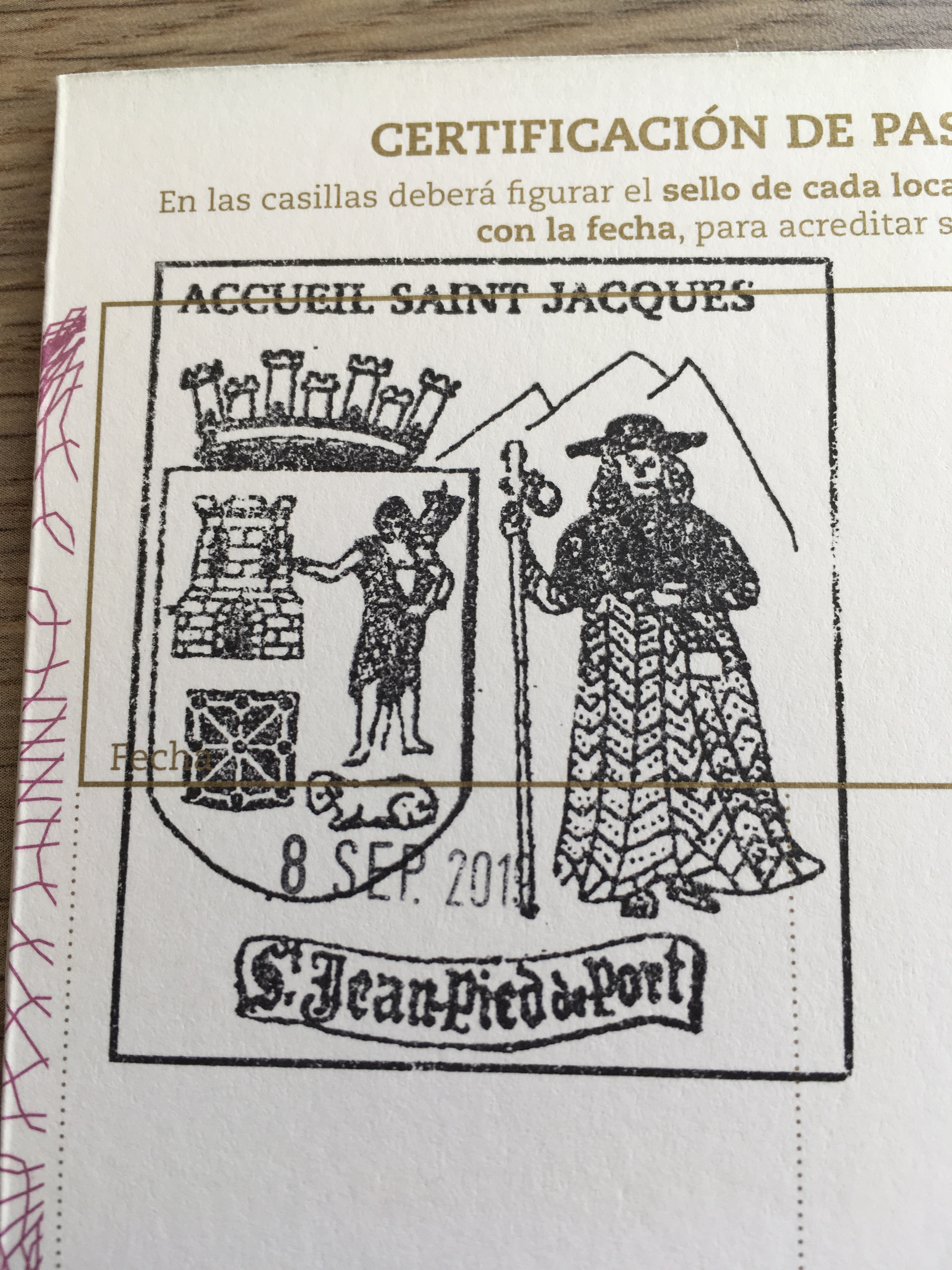
It’s also where I got my first stamp, or sello, in my Pilgrim Passport, or credencial. We carry this booklet and get it stamped at various stops along the way as proof of our walk. The Cathedral office in Santiago requires it before they’ll issue a completion certificate and it’s our admission pass to many of the pilgrims-only hostels on the route.

As my time here comes to a close and I prepare to launch on my Camino, here are a few random observations:

  • I ordered a cappuccino and was presented with a cup of coffee with whipped cream in it. Very odd.
  • I see many women, of all ages, heading out on the Camino, alone and in pairs. Bravo!
  • I’ve seen backpacks worn in all sorts of odd ways: with the waist belt unbuckled, lift straps completely loose, etc. The staff at REI would be aghast.
  • In general, I’ve seen a lot of people smoking (yes, even pilgrims) but no e-cigarettes.
  • I’ve seen a lot of pilgrims on bicycles, including electric-assisted bikes.
  • The only motorcyclists I’ve seen have been on the regular streets and they have all worn the full kit: leathers or protective clothing and full-face helmets.

Tomorrow morning after breakfast I’ll top up my pack”s hydration reservoir, check out of the hotel, and start my personal pilgrimage. I hope you’ll come along by reading these posts and that we’ll have a “Buen Camino”.