The Canterbury Roman Museum was closed due to COVID the last time I stayed here. It’s reopened now, so a visit was in order. The museum is small and below-ground, and geared toward engaging children, but there were some exhibits of interest to me. It’s built on the site of an ancient Roman townhouse.
The Cathedral looms in the background outside the Roman Museum
According to the museum, the town was home to the Cantiaci tribe. The Romans showed up around 43 AD and, over the centuries, developed the town. They renamed it “Durovernum Cantiacorum”. It was located at an important crossroad and was a strategic location, so the Romans applied all of their usual improvements.
What it looked like around 350 AD
A large religious and administrative complex was soon established, including a forum, a basilica, a temple enclosure, and a theater. The theater, originally built around 80 AD, was totally rebuilt in the early 3rd century. It was probably associated with religious festivals as much as the dramatic arts. The public baths were just to the northeast. The town was enclosed by defensive walls in the late 3rd century and was given single-arched gateways.
Oysters, anyone?
Industries included brick, tile and pottery production, as well as bronze working. There were many commercial shops, notably a baker’s shop with donkey-driven millstone. Cemeteries outside the town appear to have continued in Christian use and St Martin’s Church appears to be built around an old Roman mausoleum which stood in one of these.
Durovernum seems to have survived in good order until the Roman administration left, around 410 AD. After that, its decline was rapid. Mercenaries were hired to defend the town but they revolted. By the time of the Battle of Aylesford in the mid-5th century, the Jutes had taken over the area. The town became known in Old Welsh as Cair Ceint (“Fortress of Kent”) and in Old English as Cantwareburh (“Kentish Stronghold”), which developed into the modern “Canterbury”.
As was common practice, eventually the predecessor of the modern Canterbury Cathedral was built atop the site of the Roman temple.
The museum has on display several floor mosaics discovered when the building was being excavated (Canterbury was badly bombed during WWII). Some of these were left in situ and are accompanied by an excellent explanation of how they were created. Wall paintings and the foundations of an under-floor heating system were also discovered. All of these can be seen through glass windows today.
Given the size of the Roman town, the modern museum has a surprisingly small number of artifacts on display. However, its explanations of the various aspects of Roman life are clear and well-presented.
Like many museums committed to stimulating children, there is a large “Please Touch” room, with replica helmets and clothing. There is no separate Gift Shop, just a small display of items for sale near the ticket booth. The museum web site is here: https://canterburymuseums.co.uk/canterbury-roman-museum/
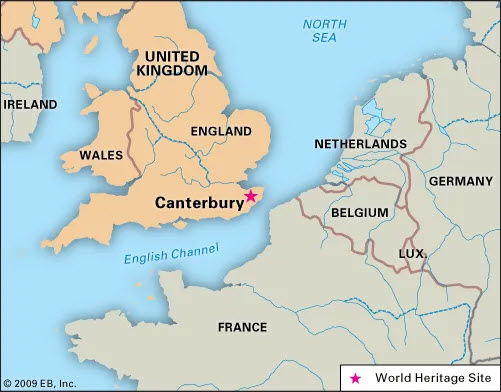
I’ve taken the fast, modern train from London to Canterbury several times in my travels. After my latest trip, it occurred to me that the train continues on and terminates a half an hour later at the beach town of Margate. A trip to Margate, at $8 roundtrip, to see the Brits at the beach was definitely in order.
Wikipedia reports that “Margate is a seaside town on the north coast of Kent in south-east England. The small town is 16 miles north-east of Canterbury, has been a significant maritime port since the Middle Ages, and was associated with Dover in the 15th century. It became a popular place for holidaymakers in the 18th century, owing to easy access via the Thames, and later with the arrival of the railways. Popular landmarks include the sandy beaches and the Dreamland amusement park. During the late 20th century, the town went into decline along with other British seaside resorts, but attempts are being made to revitalize the economy.”
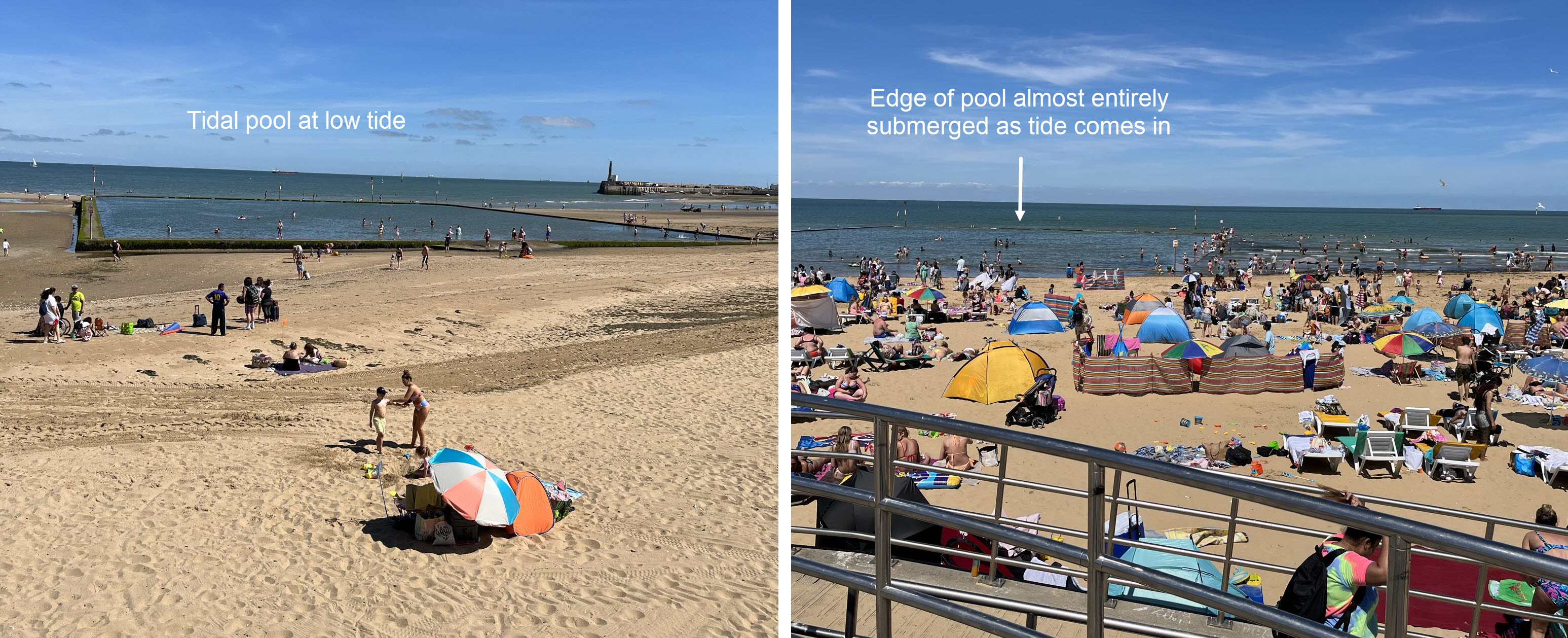
When I was doing a little pre-trip research, two things struck me about Margate. First, it has one of the best beaches in the UK, because it’s a sand beach. Yes, beach sand is not usual here; UK beaches are generally made up of small stones. So, getting some “sand between your toes” is apparently a novel experience. And, the main Margate beach includes something I’d never seen before: a tidal swimming pool.
This is a very large concrete-sided swimming pool plunked right down on the beach and, owing to the big tides, it’s overrun and filled with sea water twice a day. It looks like quite the swimming experience, only six-feet deep at most, and quite calm.
Other than that, Margate is a typical beach town. It has all the amusements, casinos, fast food, and souvenir shops you might expect and a main drag along which folks can “cruise”, showing off their hot cars, convertibles, and motorcycles.
This magnificent tower was built in 1887 to celebrate Queen Victoria’s Golden Jubilee
The beach itself has many rental and food vendors. You can rent beach chairs, umbrellas, and even “wind protection”, aka the cloth fencing shown below that many people use to fence off their section of beach.
It was a very popular day for going to the beach, what with a national heat emergency declared for later in the week. Brits flocked to the shore to enjoy the sun and the light breeze.
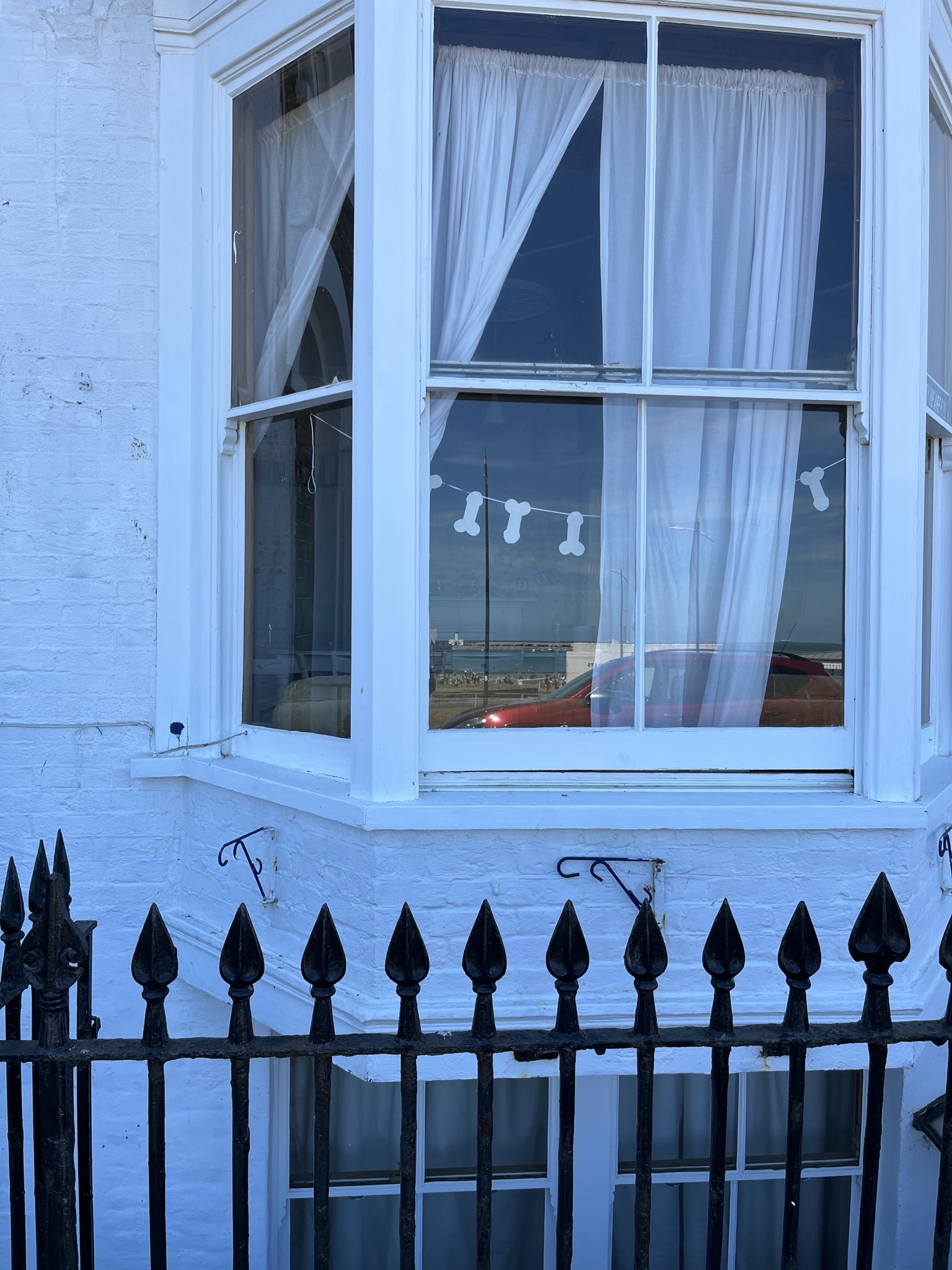
Beach towns are full of graffiti and strange art, and Margate was no different. As I made my way back to the train station, I passed some interesting art displayed in the window of a house. It was emphatic, as it appeared in the windows on both floors. Your guess is as good as mine:
And so, to Canterbury. It seems fitting that I should be spending the summer of 2022 here, in what was once a major pilgrimage destination, while training for another go at the Camino de Santiago pilgrimage route in Spain. There’s good, ancient pilgrim karma here.
I’m staying at the same beautiful Airbnb that I stayed in back in 2020. Canterbury is a nice little town and the manageable summer tourist-season crowds are a welcome sign of post-pandemic economic recovery. I have a relaxing view of the river and a wildlife area from my balcony, yet I’m within easy walking distance of all the local amenities and sights.
Canterbury is also a nexus of national biking and hiking trails, making it ideal for my training purposes. The (so far) mild English summer was also one of the reasons I selected this town.
The question has come up: isn’t one Camino enough, why are you doing it again? Well, the perfectionist in me wants to do it again while applying all the lessons learned from my first trek in 2019. And I suppose I think that I’ll be better able to appreciate the experience, absent so many of the unknowns of the first time. Finally, it was a fantastic, life-altering experience; who wouldn’t want to do it again?
Briefly, my training includes weight work in the gym most mornings and hikes most afternoons. I’m slowly building my hiking distances and have the luxury of being able to experiment with a range of gear and strategies. The Camino is not a marathon – my average daily walk in Spain will be but 12 miles – but it does require mental and physical toughness to do it day after day for more than seven weeks, through sun and rain, heat and cold. I’m building that here and I’m all in. My next Camino begins August 29th.
Although England is behaving as if COVID is over, case counts are really climbing here. Same for Europe, with the French openly referring to a “7th Wave” now. I’m aware that my two vaccinations and two boosters may not protect me, so I’m taking a very conservative approach: I still wear a mask indoors in public (yes, including at the gym), I still only eat at restaurants with outdoor seating, and I still practice social distancing. It will be a challenge in the communal settings of the Camino hostels.
Over the next month or so, I’ll be back-filling my posts here. If you want to see what we’ve been up to for the last nine months prior to coming to England, check them out. Marti and I were in Barcelona, Cyprus, Greece, Paris, and the U.S. during our travels. Cheers.
This is a catch-up post about my travels earlier this year
After almost 20 hours door-to-door, I arrived yesterday in Larnaca, Cyprus, to 52-degree weather. My departure just before yesterday’s ice and snow extravaganza in Virginia was very timely.
My flight experiences were a mixed bag. The administrative part (test results, health declarations, etc.) went smoothly, but my actual flights didn’t. My United flight from Dulles to Frankfurt left late, had just nine cabin crew members for almost 300 passengers, and included two bouts of prolonged air turbulence that were the worst I’ve ever experienced. The United lounge at Dulles was excellent but the onboard Business Class food, drink, and space was not as good as that of many competitor airlines. Yeah, I know, First-World problems.
Connecting at Frankfurt Airport could have been a disaster had I not hired a “guide”. Yes, that’s a thing now. You pay a hefty fee and someone who knows the place and all the tricks meets you when you arrive and walks you to your next flight – and I thought it worth every penny. My big piece of luggage was checked through, so that I didn’t have to deal with it. My guide met me as I entered the terminal and took me through back stairs, nooks, and crannies I suspect are usually reserved for airport employees, onto a bus to another terminal, and thence past my departure gate so I’d recognize it and on to the nearest lounge. Frankfurt is a labyrinth of an airport, I kid you not. We apparently avoided two security checkpoints and a customs area. No questions, no hassles, wham-bam, thank you ma’am.
My Lufthansa flight on to Cyprus was quite good and, though in a much smaller plane, was in many ways a nicer experience than my fancy United transatlantic flight. For one thing, on the UA flight there were two stewardesses for 44 Business class passengers, on the LH flight the ratio was two to 12 passengers. For another, the Lufthansa food was better.
Here’s one interesting fact: the only time I went through an extendable “air bridge” from the gate to the plane was at Dulles. Every other time we parked away from the terminal and used a portable stairway to board or deplane, then took a bus to/from the terminal?! Said buses did not necessarily meet my standard of social distancing but the rides were brief.
Prior to my flights I had to apply for the “Cyprus Flight Pass” online, so there was no need to flash my test results and other docs (except passport, of course) when we landed on the island.
They do have a requirement was for all passengers to get a PCR test on arrival, no matter what, and the Cypriots really had this down to an art form. Starting with the fact that the plane-to-terminal bus only carried 12 passengers at a time, controlling the testing area crowd. Then they had a dozen folks at desks waiting for us, where we each paid 15 Euros (compare that to the $200 or so charged in the U.S. by some for same-day PCR results), and moved on to another dozen gowned folks who took our nose swabs. I never had to wait in line, just kept moving along, and was out to Customs and Border Control in no time at all. My bag was already doing donuts on the baggage belt when I arrived. Very impressive. I got my negative results by email two hours later.
It’s very tight here as far as COVID restrictions go – masks in all indoor spaces and you have to have your EU health pass (my Cyprus Flight Pass) scanned when you enter. However, it’s not perfect – only about 55% of the country is fully-vaxxed and the infection rate for this wave is just starting to descend. Still, it feels pretty safe.
And, of course, here and in transit I saw a wide variety of barely-wearing-it mask practices. I wore an N-95 all the way, changed it every four hours, and wore some protective eye wear over my glasses.
What’s Cyprus like? Well, Larnaca is a tourist beach town. Think of Ocean City, MD. So, it’s loaded with tourist places (my apartment building is flanked by a McDonald’s, a KFC, a Burger King, and a dozen coffee shops, including Starbucks and Nero). It’s not crowded now but must be pretty bad in summer. I did a big grocery shopping run today and that cost me 53 Euros (about $60) so it was a little less expensive than a similar run at Safeway in Falls Church.
My lovely Airbnb apartment
My Airbnb apartment is nice, in a slightly run-down, beachy sort of way. As you can see in the photo above, I have a 4th floor balcony, and I enjoy watching the passing scene and the freighters anchored off shore. Hot water comes from solar, so I have to remember to turn on the “Booster” heater ten minutes before a shower on cloudy days, but the water pressure is good. The thing I like least about it is the prohibition against putting anything that didn’t come out of me down the toilet, including toilet paper. Yes, the used TP goes into a trash can with a lid. Ugh. Seems unhygienic to me, but not unusual on islands, I’m told.
I’m enjoying the beach and the ocean, and I’m looking forward to exploring the neighborhood tomorrow.
We’ve barely unpacked from our tour of southwestern France and we’re off again, this time on the fast Renfe-SNCF train out of Gare de Lyon. We decided to go to Barcelona in mid-October 2021: our friend Sergio’s band was performing and we’re always eager to see more Art Nouveau architecture and consume more tapas! In addition, the Barcelona weather in October is delightful.
COVID is still on our minds so we’re wearing our masks on the train, though few others are. The seats are spacious and comfy, and the views out the windows of our upper-level train car seats are a treat. We’re whisked to Barcelona, non-stop, in six and a half hours. We brought our own lunch, including a nice Rioja and wine glasses. Very civilized.
We were lucky to be staying at the four-star HCC St. Moritz hotel, near Placa de Catalunya. We have a friend, Paco, in hotel management there and so we got the “friends-and-family” rate.
The HCC St. Moritz Hotel
Our room was large and well-appointed. After we checked-in and got settled, a bellhop delivered a chilled bottle of champagne to our room, courtesy of Paco. I was so flabbergasted I forgot to tip the guy. What a nice surprise!
El Nacional Brasserie
Our room window looked down on the ceiling skylights of a huge brasserie called El Nacional. It’s so large that it has different “neighborhoods” for different food and dining styles. As you can see, the place is opulently decorated. We ate there one night and we weren’t disappointed.
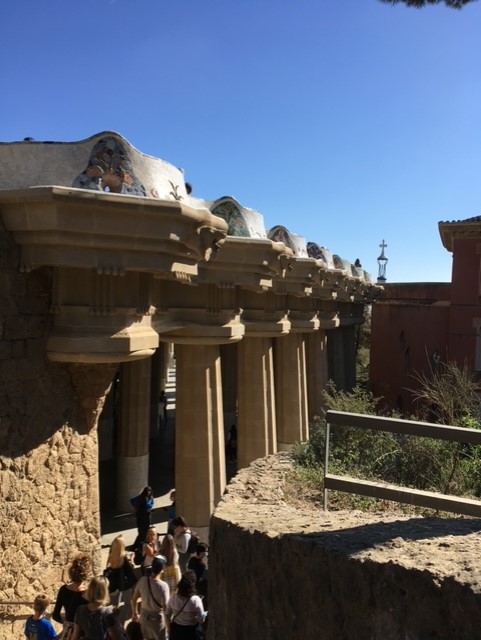
A Visit to Parc Güell
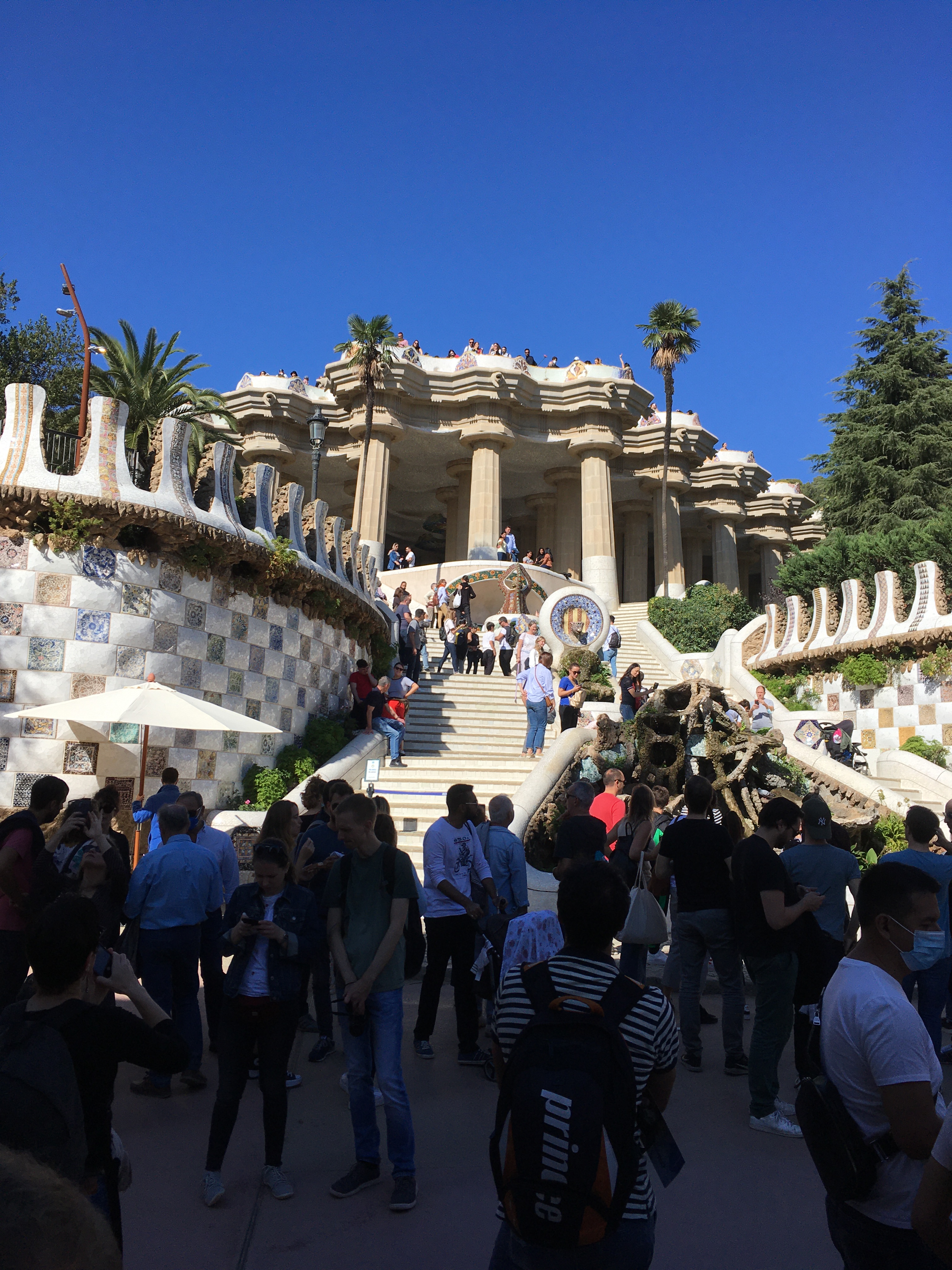
One beautiful day, we decided to visit Parc Güell, an enormous garden in Barcelona, with stunning and distinct architectural elements designed by the renowned Catalan architect, Antoni Gaudí. The park is named after Count Eusebi Güell, a rich entrepreneur who was Gaudí’s promoter and patron.
Park Güell is a reflection of Gaudí’s artistic style, from his naturalist phase (the first decade of the 20th century). During this period, the architect perfected his personal style through inspiration from organic shapes. He put into practice a series of new structural solutions rooted in the analysis of geometry. To that, the Catalan artist added creative liberty and an imaginative, ornamental creation.
The park was jammed with people and some of the crowd traffic-control mechanisms seem to have backfired. So, we didn’t get to visit some of the iconic features and we left sooner than we might have on less-popular day.
The Schizophrenic Spacers in Concert
Marti’s, and now my, Spanish friends, the Martos clan, welcomed us to town. Sergio fronts the Schizophrenic Spacers, a great local rock band, and it’s no exaggeration to say that the group puts 110% into every performance. We scheduled our visit specifically to attend one of their performances, at a local club called Sala Upload.
Sergio is not only a gifted musician and performer, but he’s also a well-respected music industry journalist and critic. And that’s on top of having a real job. He comes from a musically-gifted family and is a warm, generous, funny guy. We always have a great time when we come to Barcelona and get together with him.
Alice Cooper ranks as one of his favorite acts and my ancient history working with Frank Zappa and others let us quickly bond. Marti’s late husband was also a music journalist; he and Sergio spoke the same professional language.
There is a vibrant local music scene in Spain, supported by numerous venues. Even COVID couldn’t shut it down and so there are lots of opportunities to see homegrown and pan-European talent.
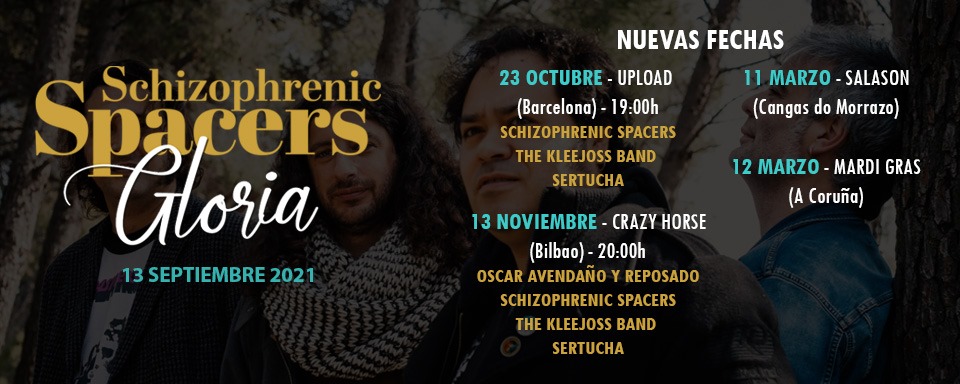
The Spacers’ Dates in Fall 2021 and Spring 2022
Armed with what Marti dubbed “Barcelona-grade earplugs”, we attended the Spacers’ top-of-the-bill October 23rd performance. When I was in Barcelona in 2019, I mentioned to several very pierced-and-tatooed young waitresses at a bar I frequented that I was going to see a show at Sala Upload. I could see my “street cred” with them go up several notches just at the mention of the place. It’s definitely not for the James Taylor/Carol King crowd!
With eight fully-produced albums, the band draws from a range of material in their shows. Sergio really knows how to work a crowd and the band is musically very tight. The songs are often punctuated with dramatic, beautifully-coordinated stops and starts. It’s something to experience. And, of course, it’s loud.
One of the band’s hallmarks has been their incredibly good graphic designs, on everything from album covers to merchandise. It’s very creative, professional work and well above the amateur efforts one so often sees. To see more examples, go to their bandcamp website.
Alberto, Sergio, and the boys nail it!
Sadly, the band recently announced that, after 25 years together, they’ve decided to bring down the final curtain. They’re planning a farewell tour and that will be the end of the Spacers. I’m pretty sure we’ll be back in town to see them one more time before they’re done. The decision is an interesting example of how a really good group can produce great music for years yet, in the final analysis, it’s not enough to “break through” to the Big Leagues and, sadly, time takes its toll. They will be missed.
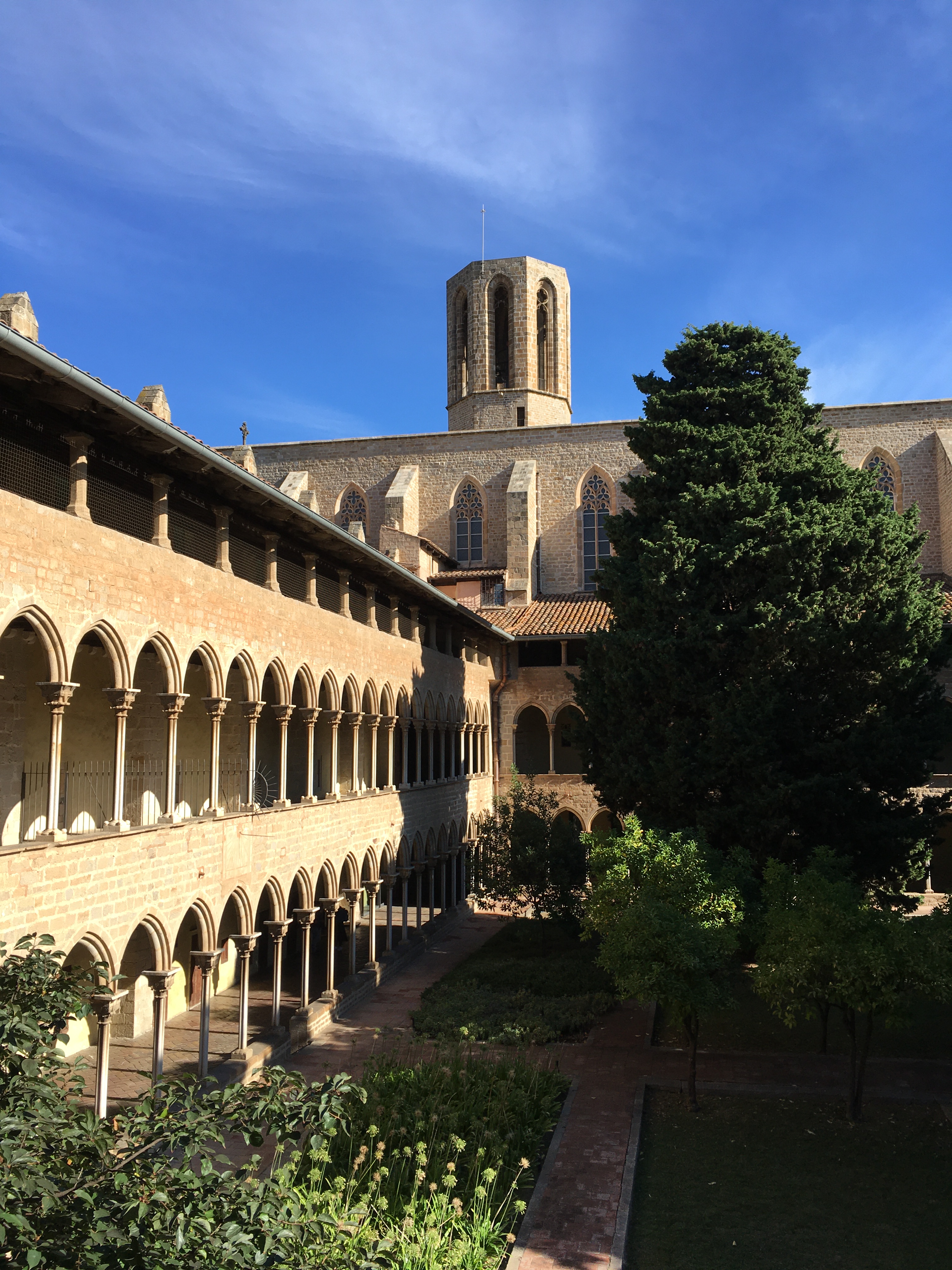
Monastery of Pedralbes
OK, so we’re not really as into late nights at ferociously loud clubs as we used to be. We decided a visit to the Monastery of Pedralbes, a Gothic monastery, the next morning would be therapeutic. No, we weren’t there to repent and join the order. The monastery is certainly one of the most beautiful gothic buildings in Barcelona and very soothing. It’s now a museum, housing permanent exhibitions of its own art and legacy holdings, as well as third-party special exhibitions from time to time. It was cool and quiet and we met some friends for a nice visit and, afterwards, coffee.
Our friends Bill and Toni, who moved to Alicante, Spain, last year decided to drive up to Barcelona to meet us while we were there and we enjoyed seeing them. We met at Cuitat Comtal, truly “Tapas Heaven” in Barcelona, and then we joined them as they did some shopping. They regaled us with tales of the challenges they faced in their international move, including setting up house and living without their household goods, which were stuck on a freighter, for seven months.
Our week-long visit to Barcelona over, we took the train back to Paris. It’s always nice to experience Spanish culture and foods, and we look forward to returning again in the future.
Our traveling companions took the car and headed out from Nîmes for an archeological site they wanted to see, and we took the TGV train to Lyon. As I’ve mentioned before, France has a very good rail system and a two-hour, high-speed ride brought us to the city known as the “gastronomic heart of France”.
Lyon is built on the confluence of the Rhône and Saône rivers, and was the capitol of the Gauls during the Roman Empire, so it’s got some history. In fact, it has some more recent history with me: in March 2020, when the world shut down in response to the first COVID surge, I was living here. My Airbnb flat was in the Old Town area, just across the Saône from our current hotel, so I’m pretty familiar with the city. Our friends John and Alyce arrived at the end of the day from their archeological jaunt and joined us for a nice meal overlooking the river.
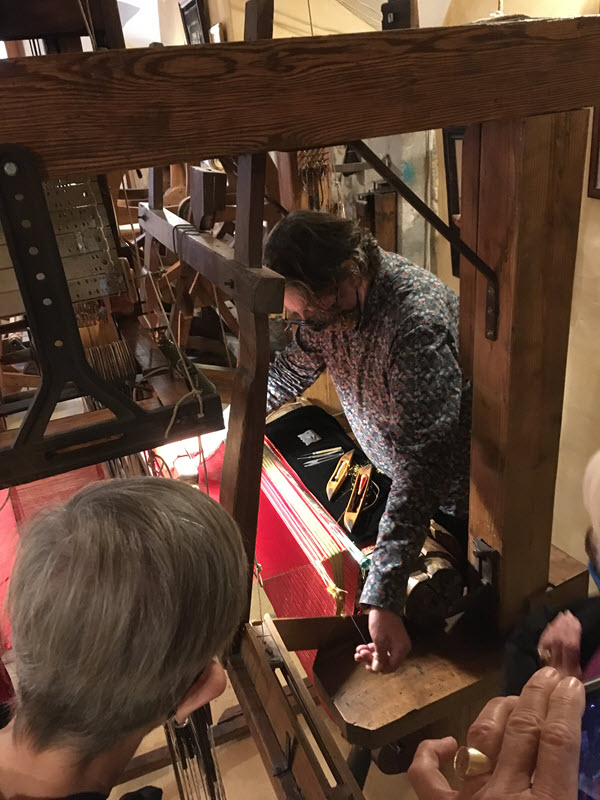
We saw a silk brocade, with real gold threads, being woven on a 200-yr old loom
Lyon was once the center of silk-weaving in Europe, with some 40,000 weavers cranking out the cherished cloth for royalty and clergy. Today there are just 12 weavers left and we visited one fellow’s shop to see how it’s done. The weaver demonstrated his fascinating art, up close, for us. His 200-year old loom uses “Jacquard cards”, a chain of rectangular cards drilled with holes that control the weaving pattern (truly the precursors to the IBM punch cards of the 1960s).
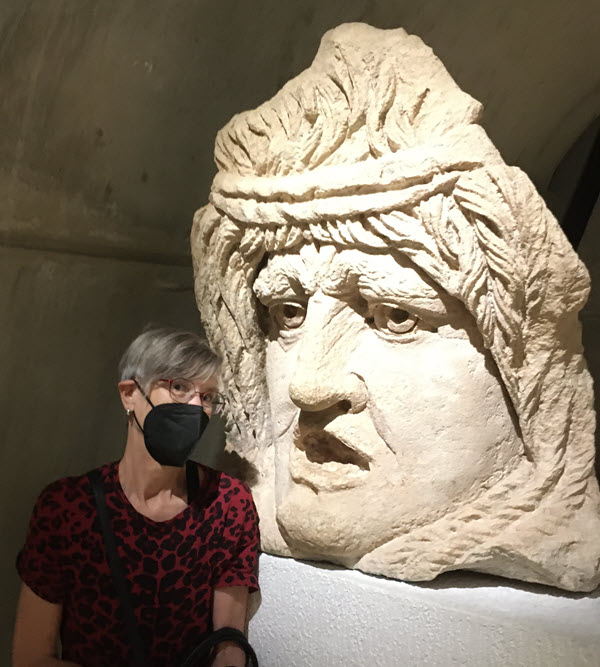
Marti receiving some ancient wisdom at the Roman museum
We crossed the river on foot and took the funicular up to the top of the hills overlooking Lyon and had a spectacular view from the Notre Dame de Fourviere basilica. Then we walked down to the Roman Antiquities Museum and the adjacent ancient amphitheaters. The museum is very well done and very pleasant to visit.
Finally, we returned to the Old Town by funicular and had lunch at Bouchon Les Lyonnais, a traditional bouchon restaurant. This type of establishment harks back to the 16th century and is famous for its hearty, regional dishes based on fresh ingredients, and for its charming, friendly atmosphere. The fare is rich – rich – rich; leave your calorie counter at home! We had a range of meat and fish dishes, and complemented them by filling our glasses with great regional wines from Beaujolais, Coteaux du Lyonnais, and Côte du Rhône.
Lyon is the third-largest city in France but its vibe is completely different from Paris; much more laid back. It’s a pretty city, too, and quite welcoming.
And so our 10-day swing through southern France came to an end. We bade our friends goodbye and boarded another TGV train for the ride back to Paris. They continued their travels through Europe, and will meet us in Paris for a rendezvous in December before flying back to the U.S.
Man, we ate some good food and drank some nice wine! We were lucky that we had very pleasant Fall weather throughout our journey, and it was nice to see some French culture outside of Paris. The Roman ruins we visited were amazing and we also saw some wonderful art. Now we’ll unpack and settle back into Paris for a few weeks and then we’re off to Barcelona!
Nîmes, our next stop, was an important outpost of the Roman Empire. It’s known for well-preserved Roman monuments such as the Arena of Nîmes, a double-tiered circa-70 A.D. amphitheater still in use for concerts and bullfights, the Pont du Gard tri-level aqueduct, and the Maison Carrée, a white limestone Roman temple, all around 2,000 years old.
I first stumbled across Nîmes on a poorly-planned, solo driving tour of France and Spain, back in the mid-80s, and wound up staying by chance at a wonderful hotel, The Imperator. It’s still there (listed as a Five-Star now so a bit above our budget for this trip) but I have no idea if it has retained its charm. Ahh, your impression of a place is certainly informed by where you stay and so, prior to our recent visit, I had a pretty nice impression of the town. My enthusiasm was tamped down on this trip, I’m afraid.
We had a frustrating time getting to our Airbnb in the Richelieu neighborhood because the car navigation system and Google Maps both kept trying to send us down one-way (the wrong way) and pedestrianized streets. We were passing places for the third time and patience was wearing thin when we finally arrived.
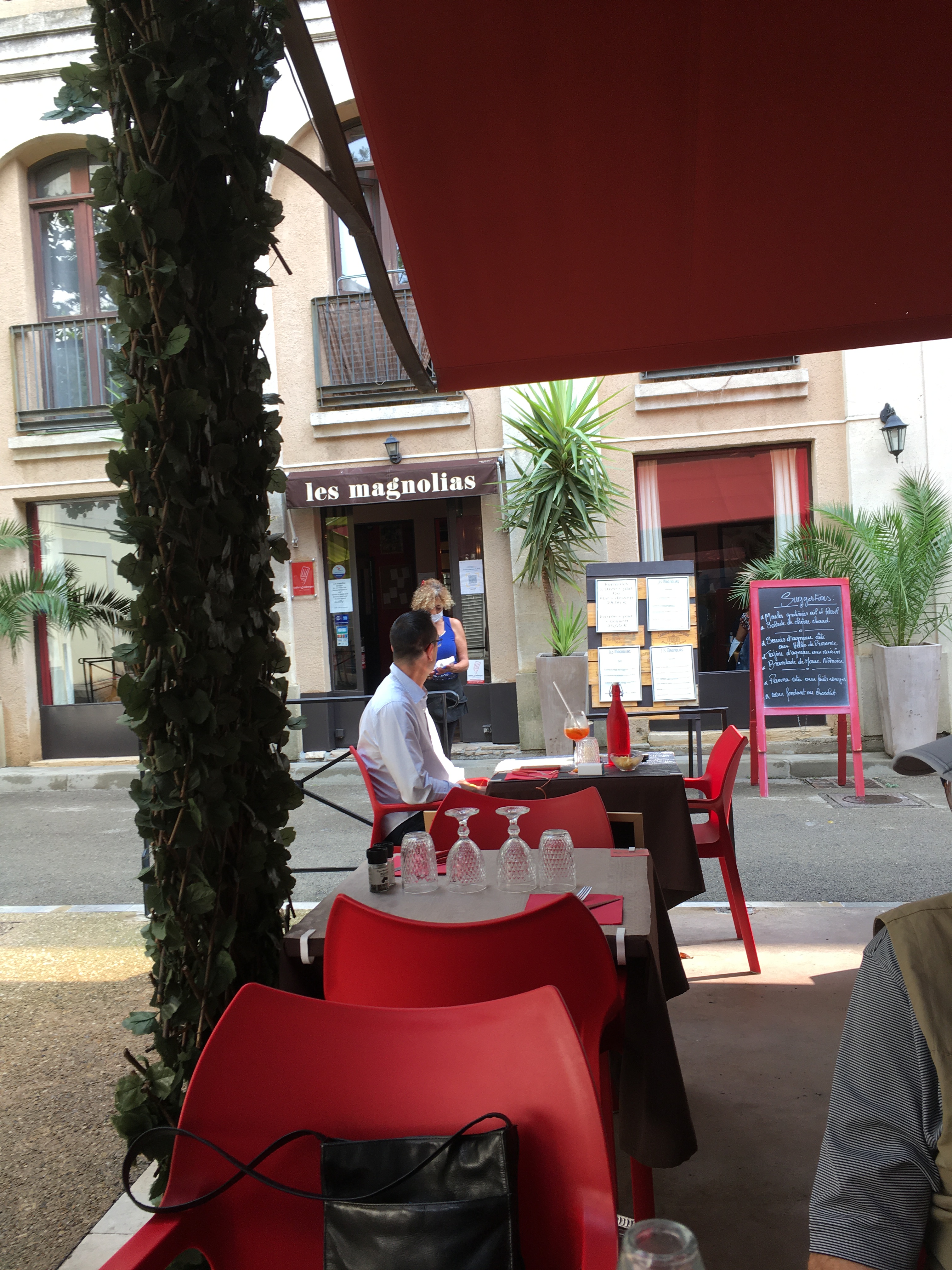
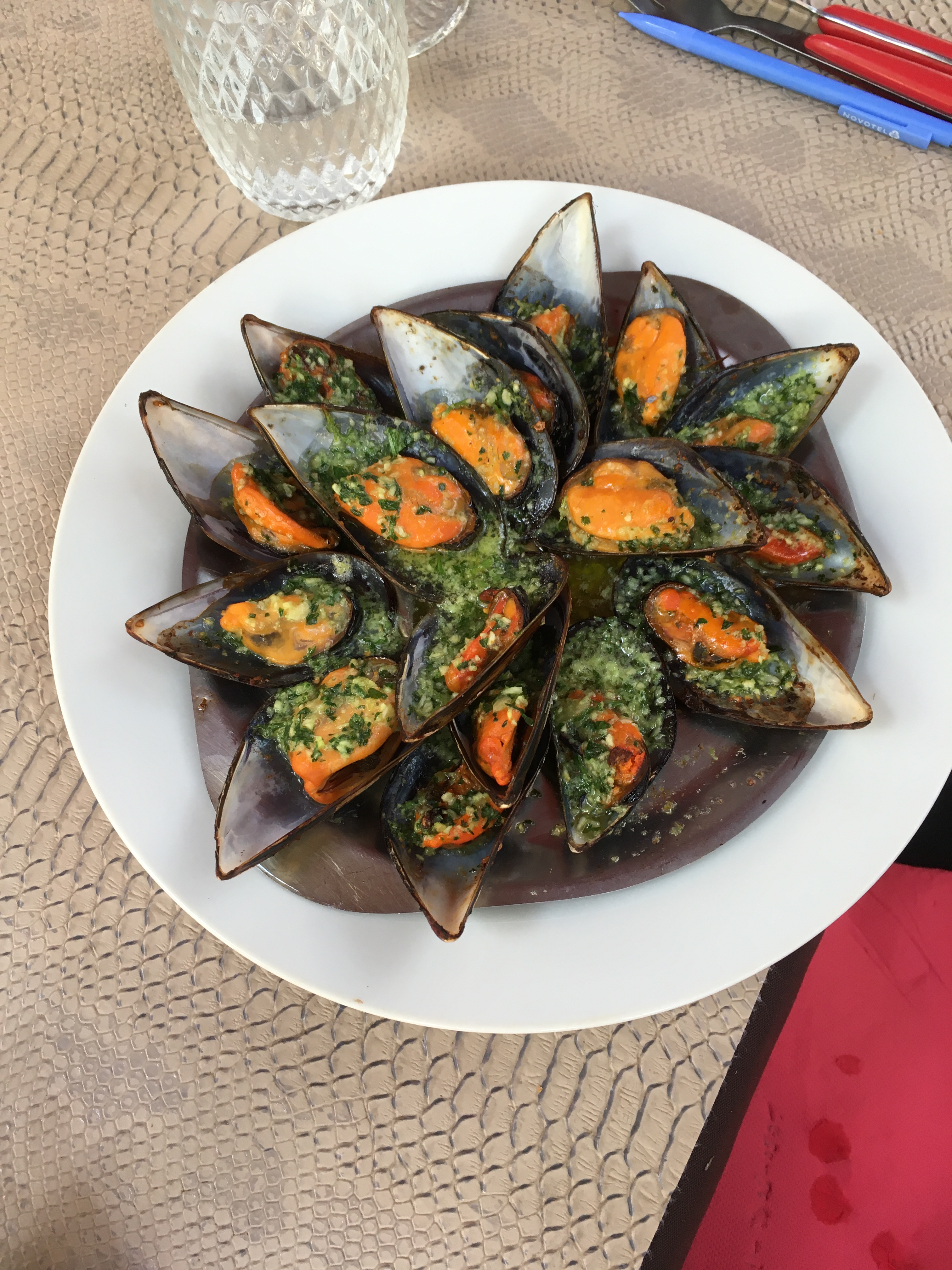
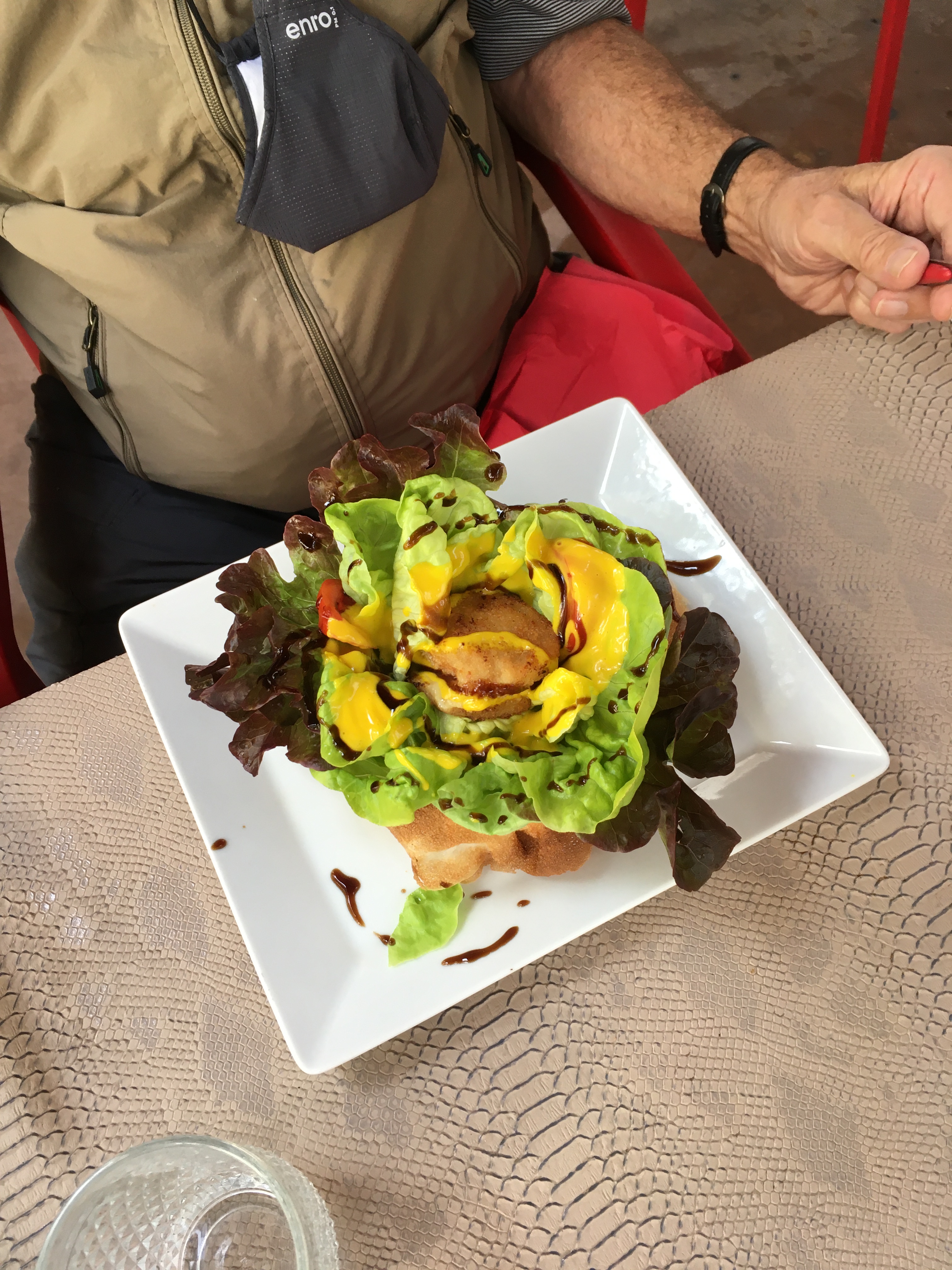
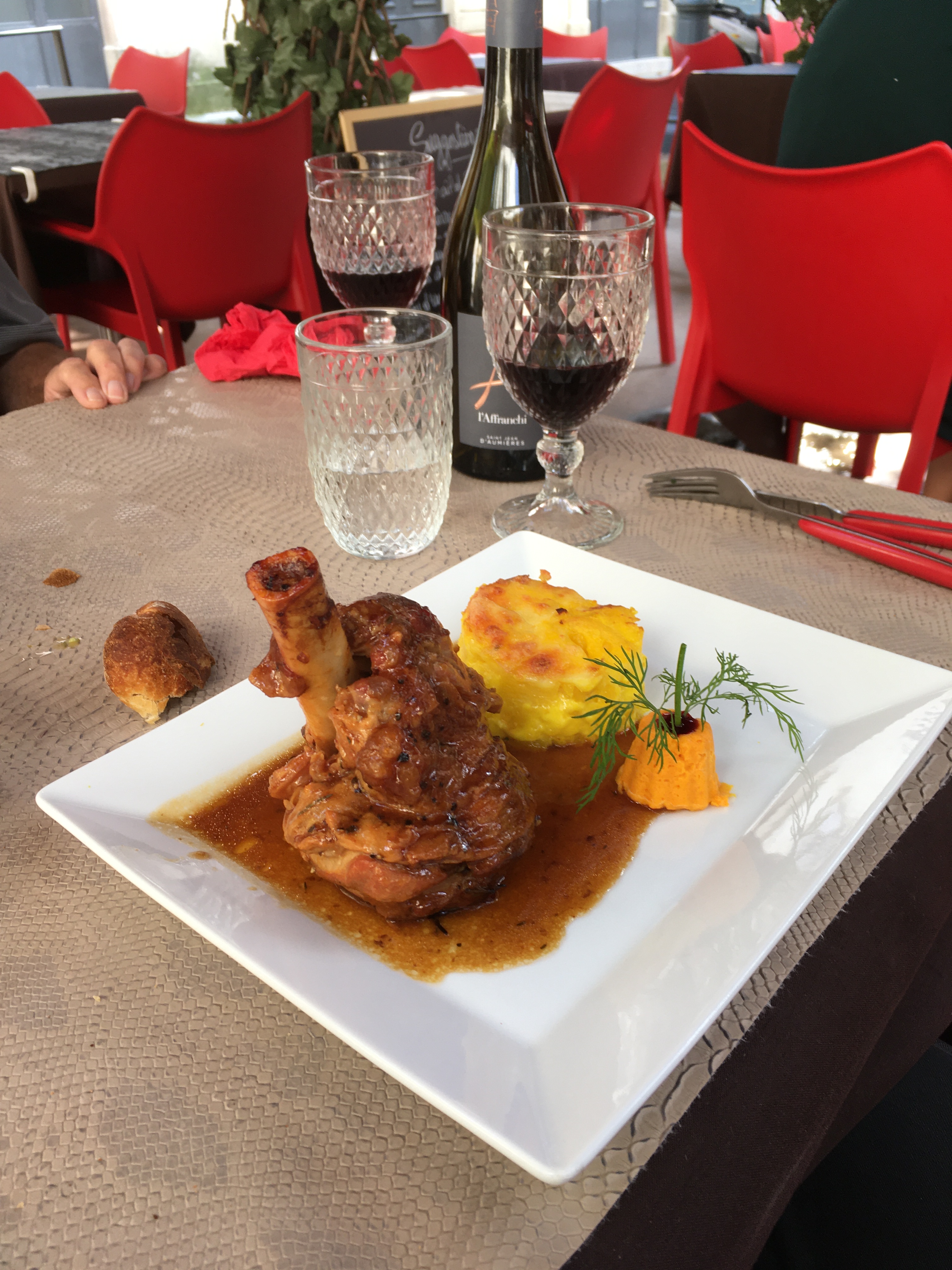
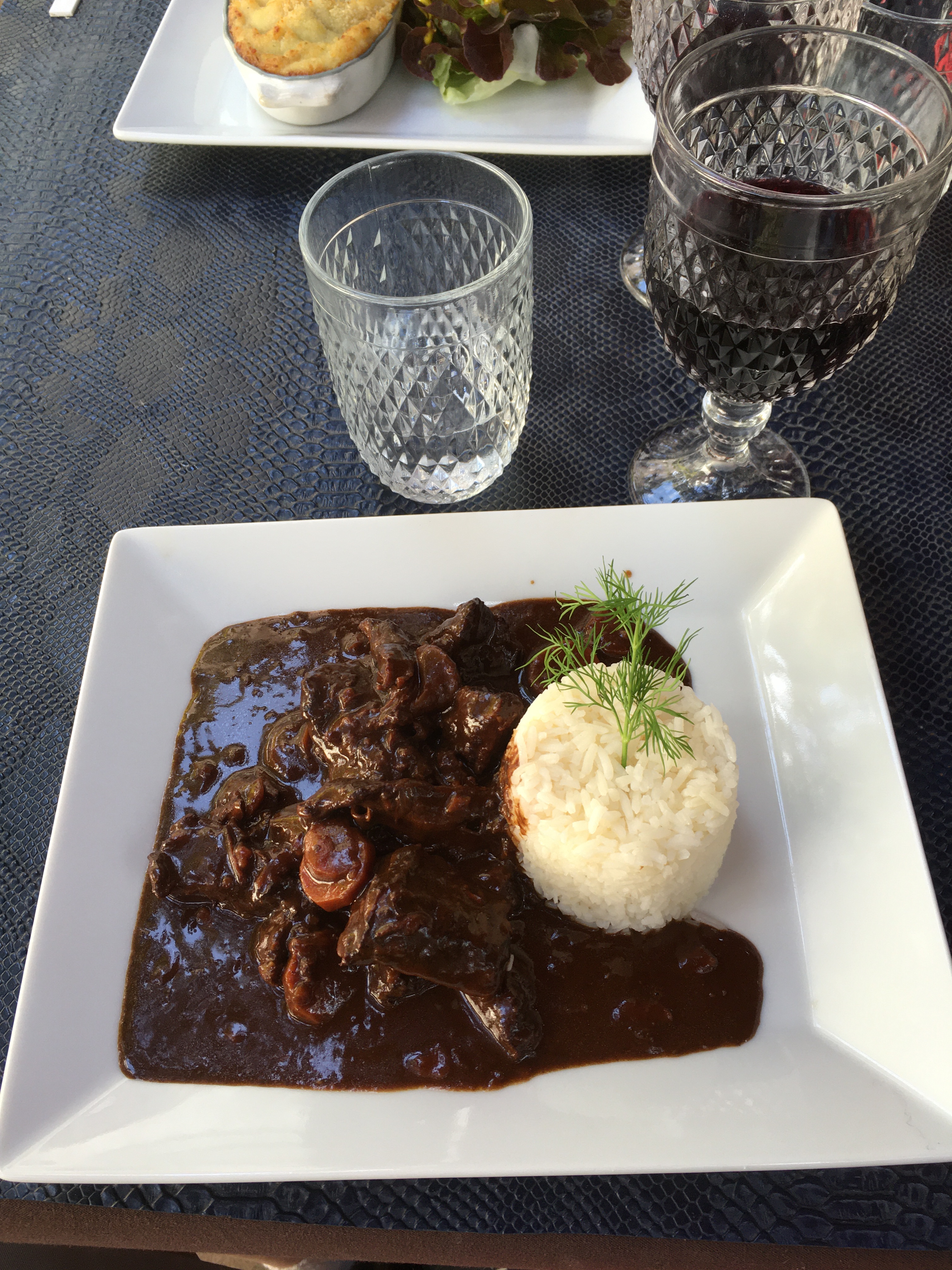
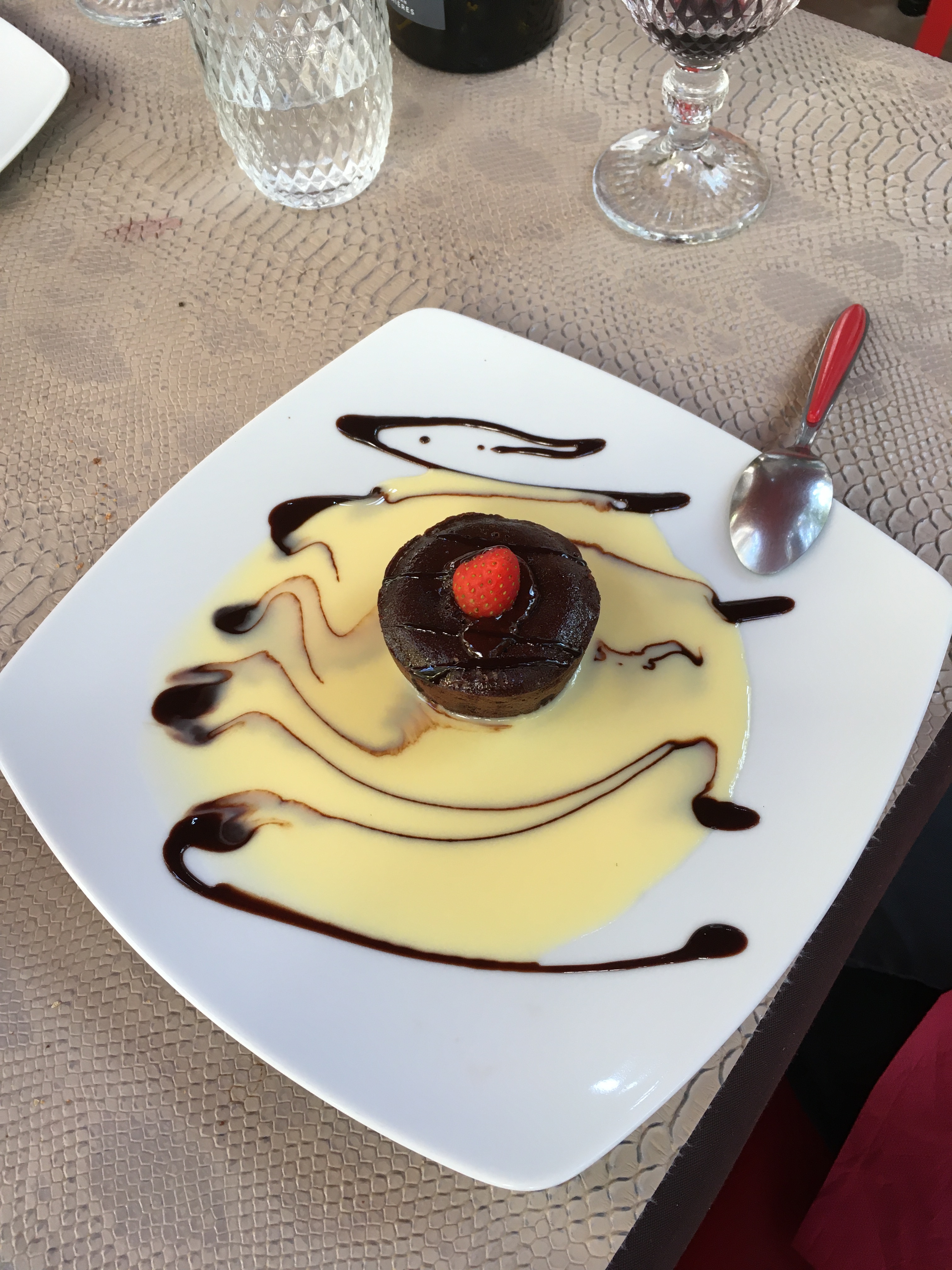
Our Airbnb was something else, over-decorated, with almost all of the walls lined with shelves containing thousands of CDs and DVDs. Sitting on the toilet brought you face-to-face with an enormous Star Wars movie poster and there was no shortage of red lights. Still, it was clean and the AC worked. It wasn’t in a very nice neighborhood, though, and we were stunned to find, tucked away across a major plaza, the Les Magnolias restaurant, where we quickly fell to reviving ourselves with an outstanding lunch.
A hidden gem of a restaurant!
Wonderful starters…
… and salads
Lamb shank with potatoes
Beef cheeks in red wine sauce
Chocolate cake with molten center
We were really very lucky to have great weather during the entire trip, which allowed us to eat outside almost all the time, which helped allay COVID anxiety.
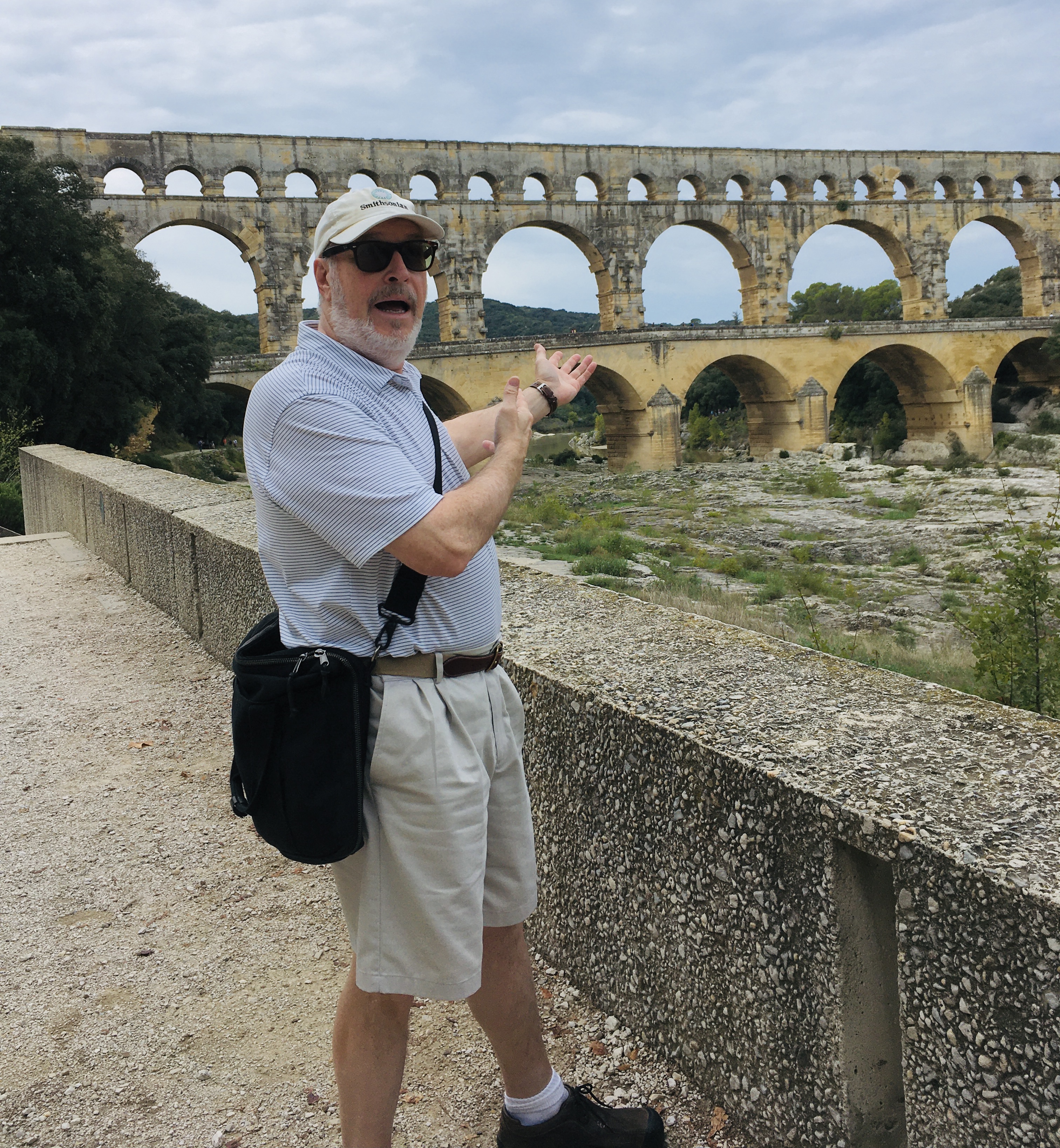
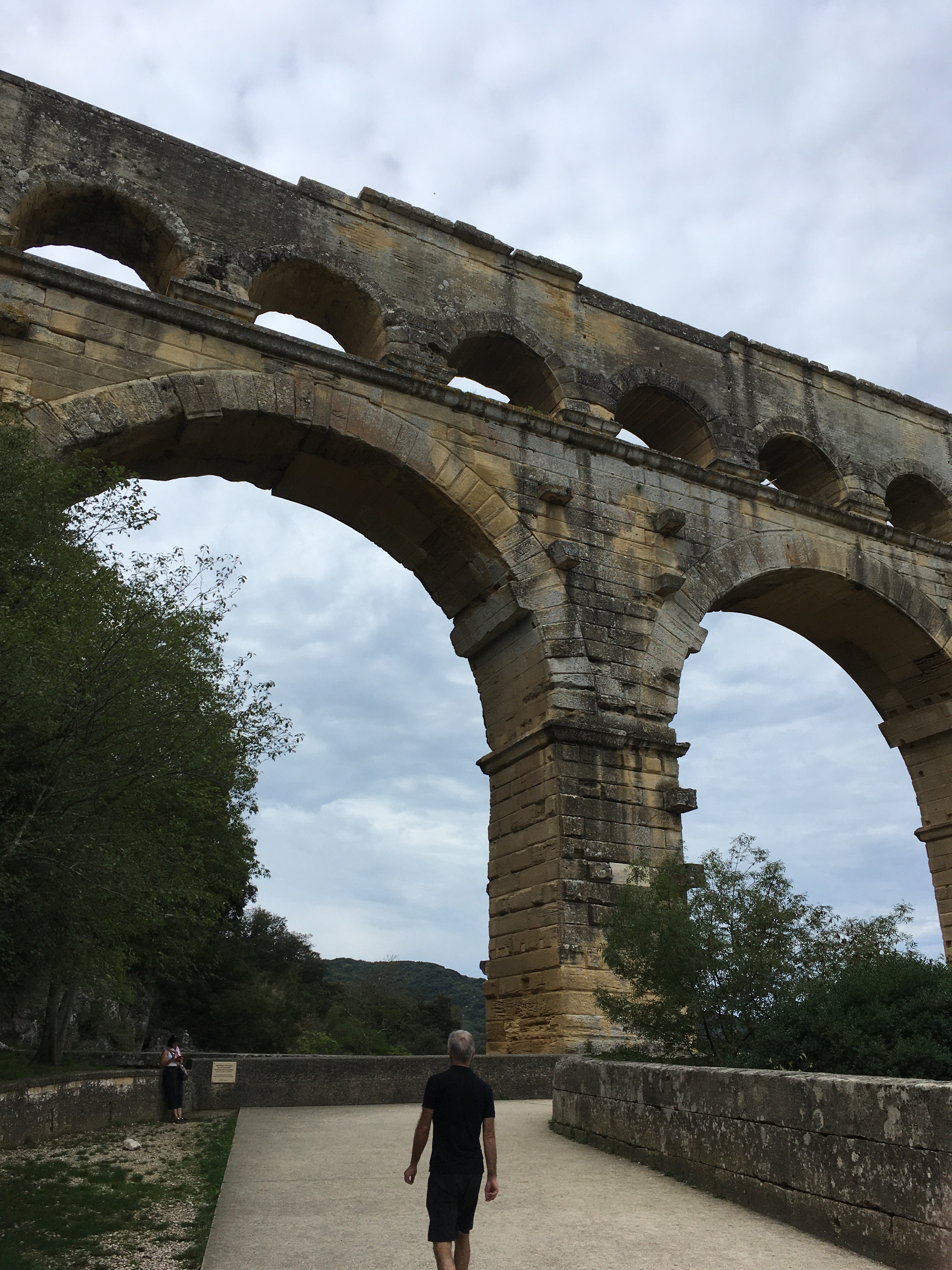
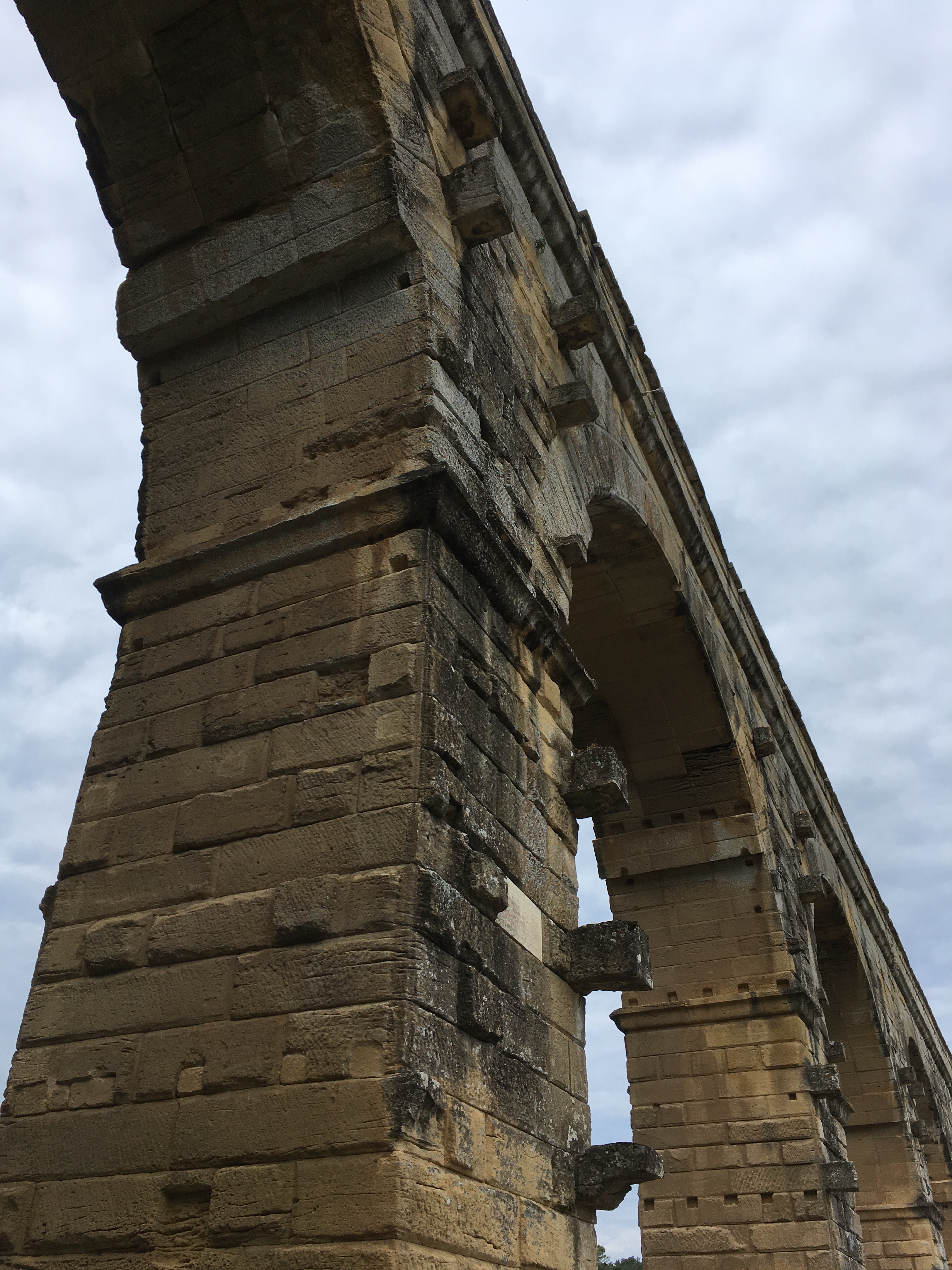
The next day we set out to see the Pont du Gard, the amazing Roman aqueduct about 30 minutes north of town. It’s a national park and a UNESCO World Heritage site and is probably jammed during the summer. Our visit was timed just right, and it wasn’t crowded at all.
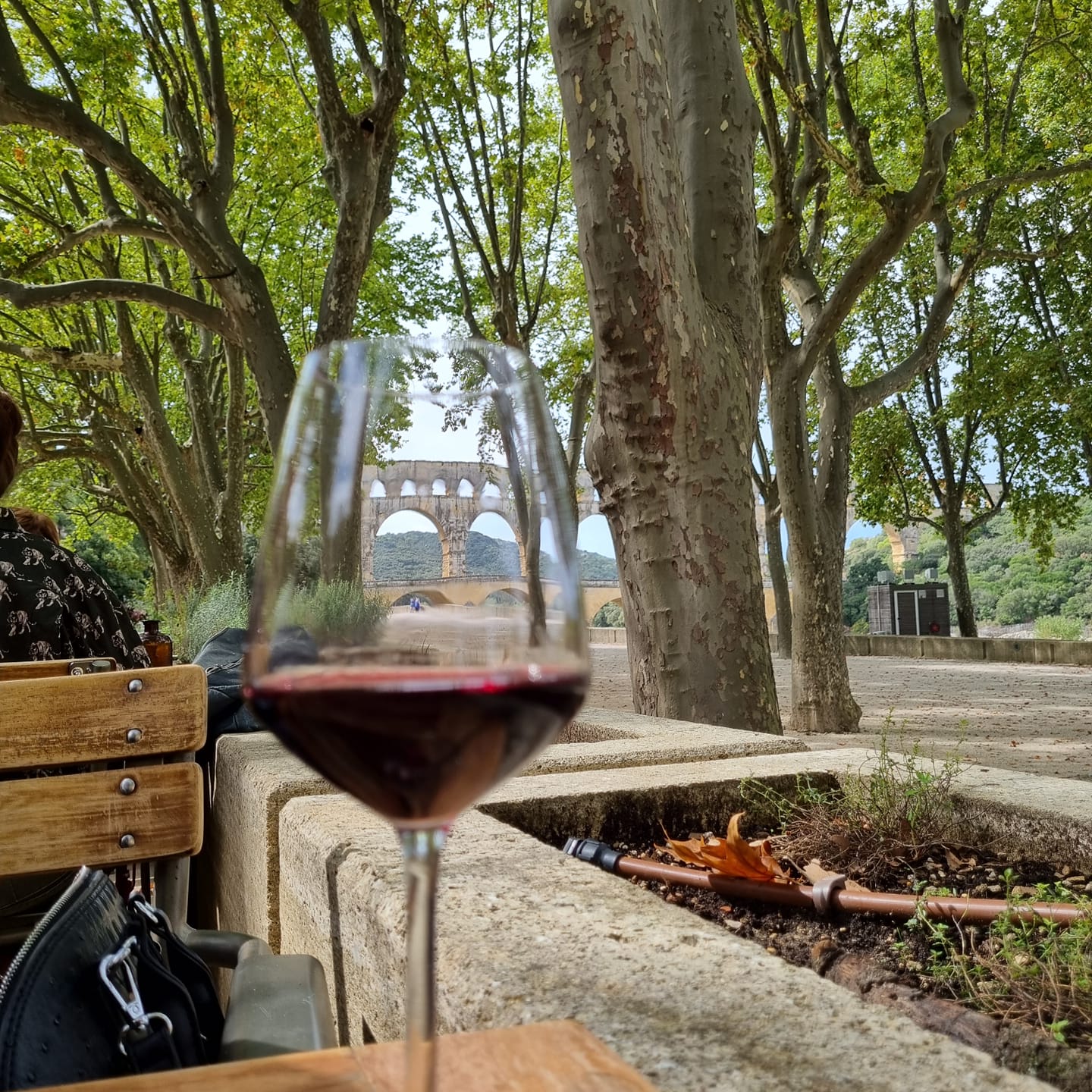
What an awesome sight! The Romans knew how to use water as a political tool and they used this aqueduct and others to deliver water to Nîmes, growing the city’s economy and creating a lever for controlling the city as well. We spent half a day there and had a very good lunch at the nearby park restaurant. The associated museum, on the opposite river bank, has excellent exhibits that explain the engineering techniques used to build the structure. I was surprised to learn that a work force of paid, skilled laborers, not slaves, was employed to build it.
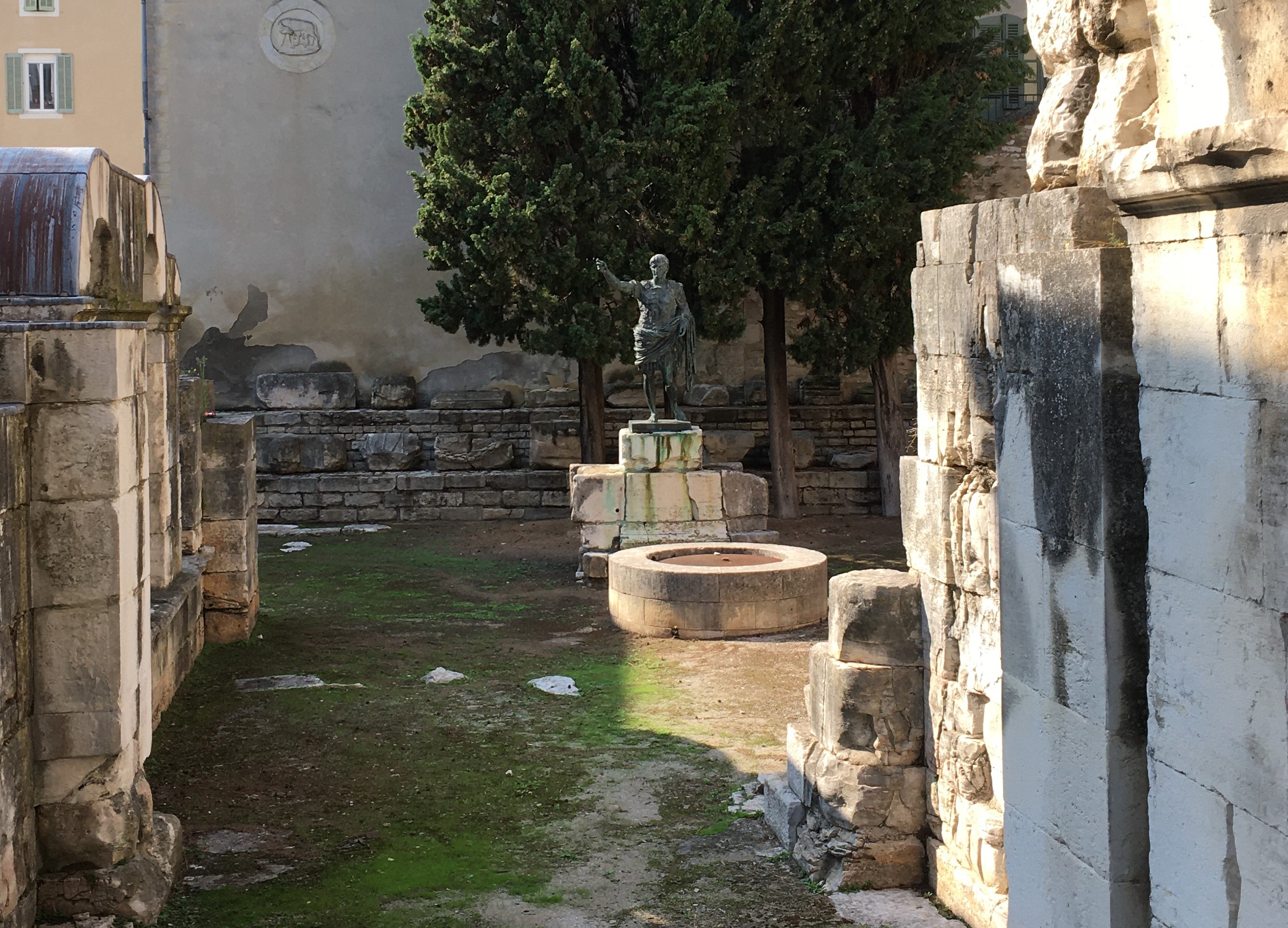
Nîmes is loaded with antiquities, such as the Emperor Augustine Gate, shown above, sprinkled through various neighborhoods.
Per our plan, we split up here, with our two friends taking the car to view the cave paintings at the Cave de Chauvet, while we took the train to our final tour stop, Lyon. They met us there at the end of the day.
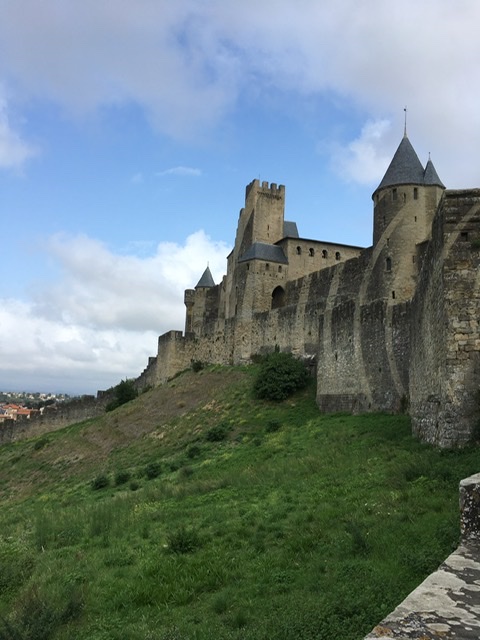
Carcassonne, a hilltop town in southern France’s Languedoc area, is famous for its medieval citadel, La Cité, which has numerous watchtowers and double-walled fortifications. The first walls were built in Gallo-Roman times, with major additions made in the 13th and 14th centuries.
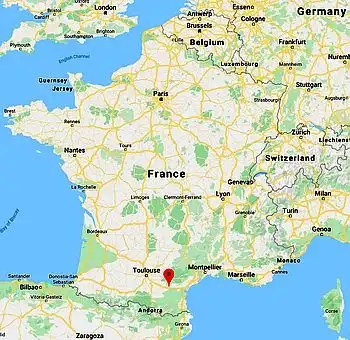
Carcasonne is an easy 90-minutes east of Toulouse
We had an easy drive to Carcasonne, which loomed dramatically above us as we approached. We installed ourselves in our Airbnb rental and walked to the nearest restaurant for lunch. Which turned put to be a real jewel: tables in a large shaded garden, with a modest number of customers and friendly waiters.
L’Os ou l’aretecassoulet was outstanding
Everything was perfect! The food was memorable, the service friendly, and our hours-long lunch languid and relaxed. I had the regional specialty, cassoulet, which features white beans, duck, and sausage, roasted for hours. Incredibly tasty, and paired well with a local pilsner. We spent the rest of the day and evening in a virtual food coma and spent the time doing laundry and taking care of business online.
Castle and ramparts loom above us
As it happens, a set of very steep stairs at the end of our street leads up to paths that ascend to Carcasonne’s walled city and we managed the climb without too much effort. We took a self-guided tour through the castle and all long the city’s ramparts, which was fascinating. The Middle Ages were brutal and defense was paramount, as reflected in the many fortifications. It was a work-out, too, as we ascended and descended many steps, circular stairs, and changing levels.
Carcassonne became famous for its role in the crusades when the city was a stronghold of Occitan Cathars. In August 1209 the crusading army of the Papal legate, abbot ArnaudAmalric, forced its citizens to surrender. The people of Carcassonne were allowed to leave—in effect, expelled from their city with nothing more than the shirt on their backs. What a horrible fate.
Vegetable soup starter
Our fate after leaving the castle, of course, was much better and we suffered no privations, as the rest of the walled city is packed with modern tourist shops and restaurants. We were lucky to have escaped our touristic compulsions lightly, emerging with just half a dozen postcards. It’s a Saturday but crowds were light, which was a very good thing; I can imagine a crowded, hot, summer day here would be stifling. We ate a marvelous lunch at a place called Le Saint-Jean, in an outdoor area adjacent to the castle. The local Ortola wine perfectly complimented our meals.
My comrades are out foraging for tomorrow’s breakfast, after which we head for Nimes and its remarkable Roman ruins. Thanks for coming along!
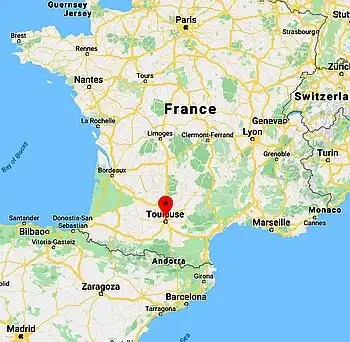
Today, we’re in Toulouse, the capital of France’s southern Occitanie region, which is bisected by the Garonne River and sits near the Spanish border. It’s known as La Ville Rose (“The Pink City”) due to the terra-cotta bricks used in many of its buildings.
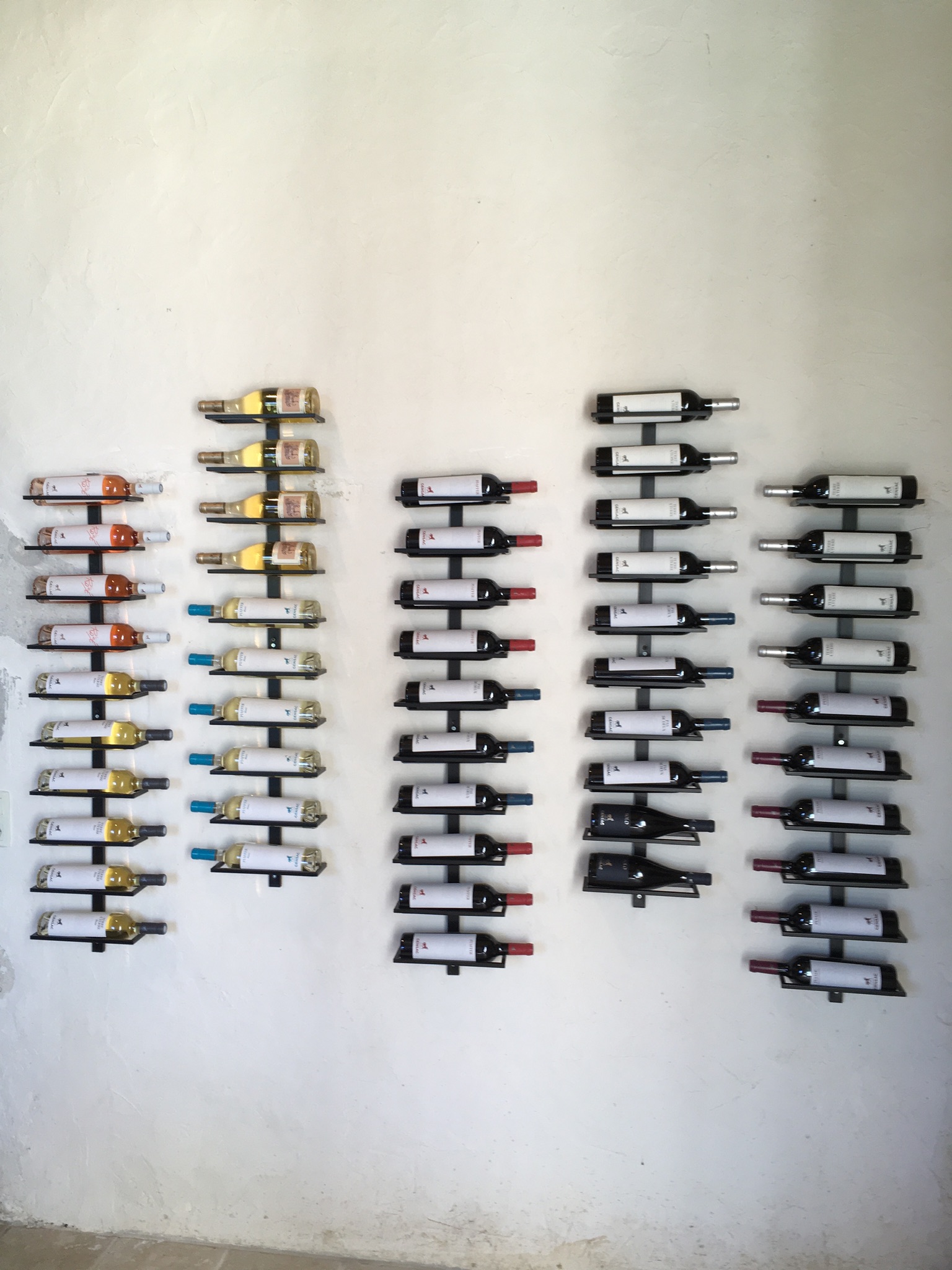
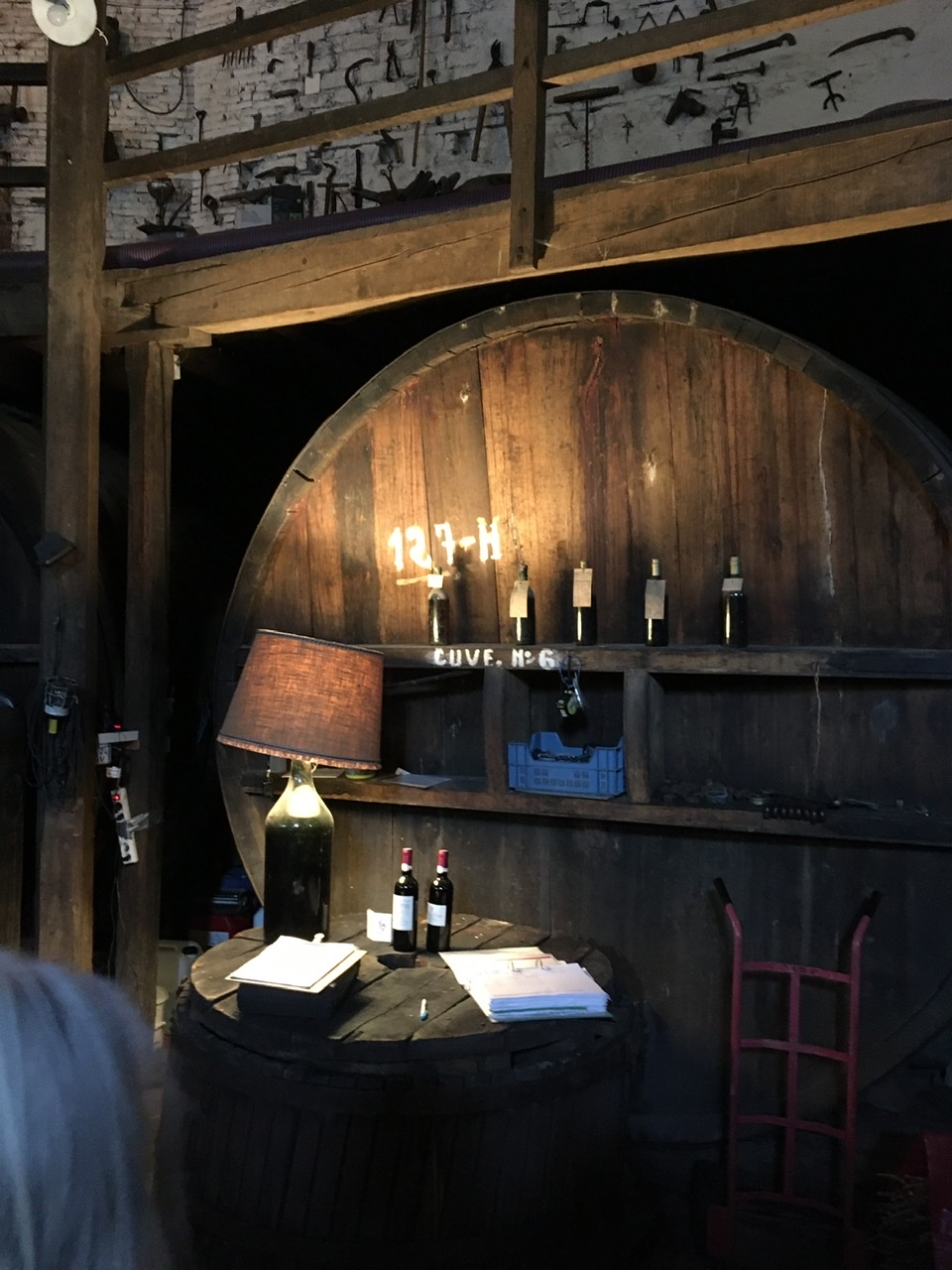
We stopped at two vineyards along the way from Bordeaux, by appointment, for tours and tastings. It was fun to learn about the vineyards, to taste their wines, and of course to buy a few bottles.
At Chateau de Gensac
Enormous barrels at Chateau Caze
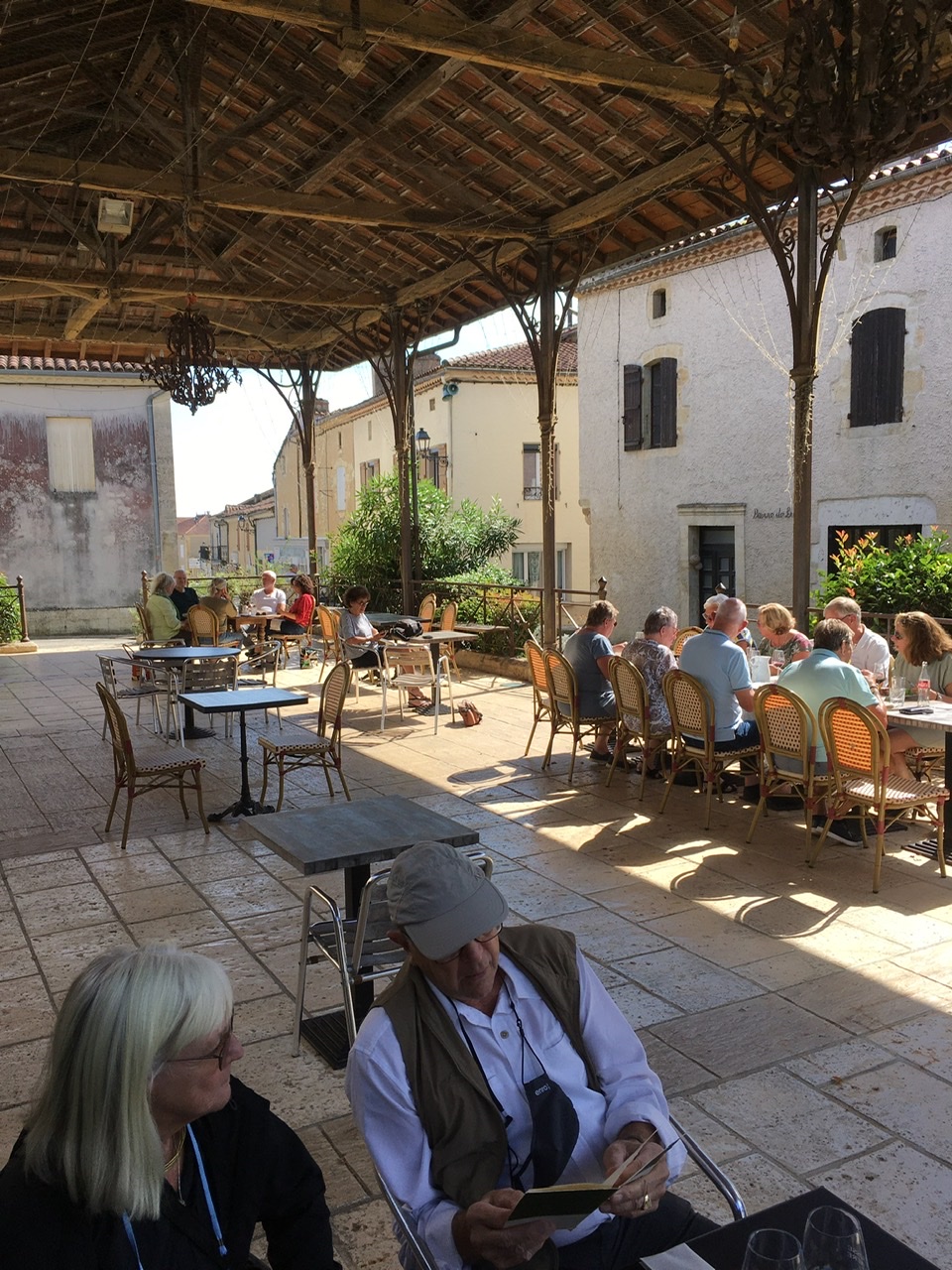
In between, we had lunch at a fabulous restaurant we’d never have found in a million years but for a vineyard owner’s recommended.
Fine outdoor dining at Chez Vous, in tiny St. Puy
In Toulouse, we’re staying in an Airbnb, just south of the river. Inner-city traffic is really congested and it took us quite a while to get to our place.
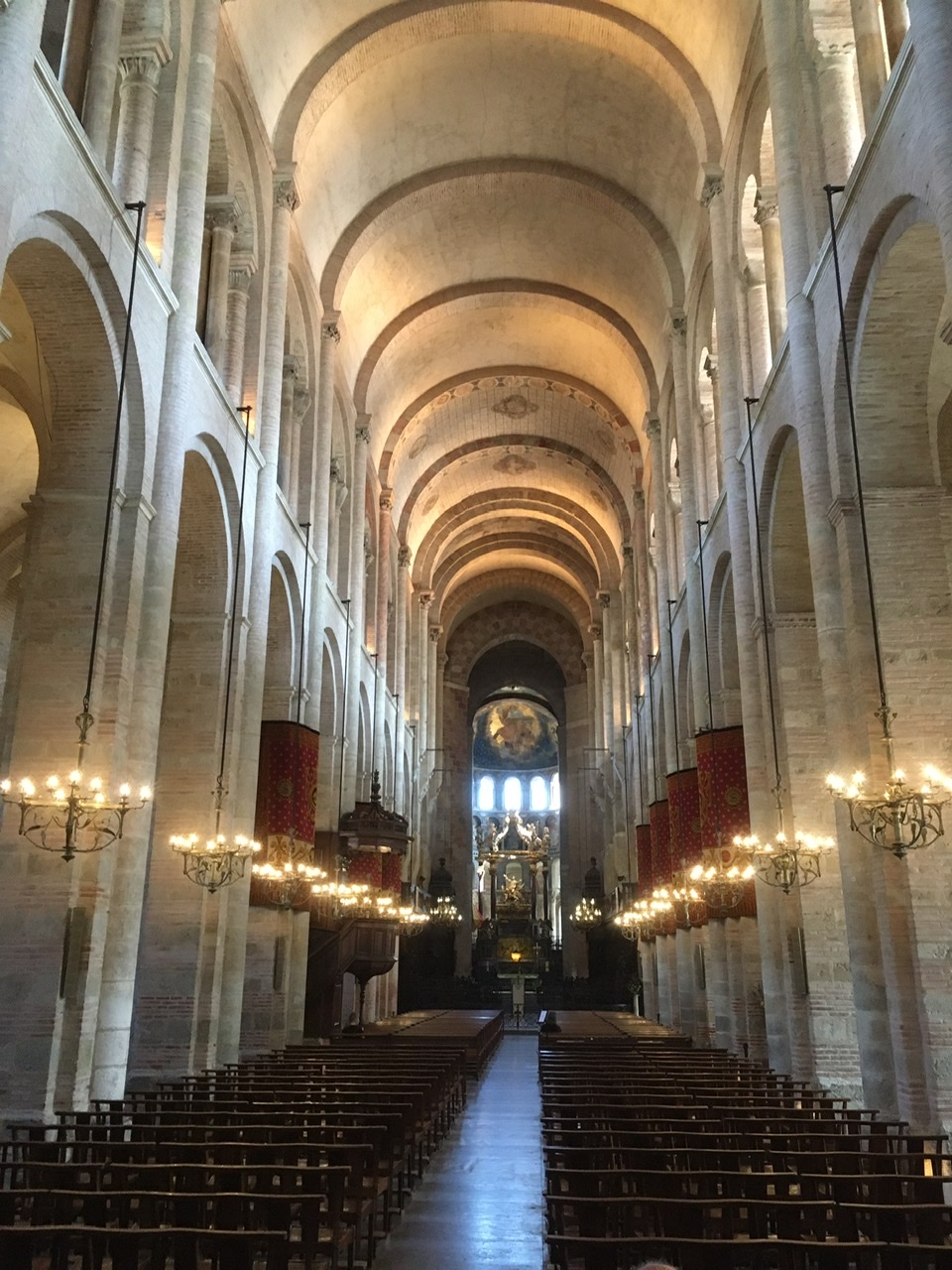
Our day in Toulouse included visits to the Capitole plaza, the Basillica of St. Sernin, and the Victor Hugo Market, punctuated with a great outdoor lunch. We used the subway system, which was easy to navigate, fast, and convenient.
St. Sernin’s claims to be the burial place of St. James (disputed by competing claim from Santiago, Spain) and five other apostles!
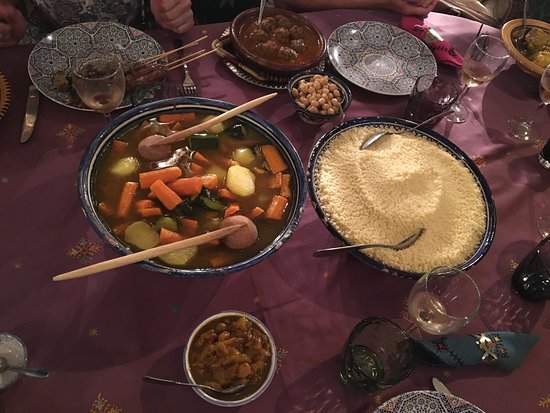
We ended our day with a superb Moroccan dinner at La Marocain.
We spent a nice day walking around Bordeaux, seeing its architectural high points, and touring the Museum de Aquitaine. The museum has a great collection devoted to pre-historic man, with artifacts that go back 25,000 – 30,000 years, which is of particular interest to our traveling companions.
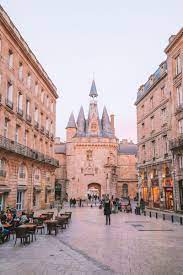
Porte Cailhau gate
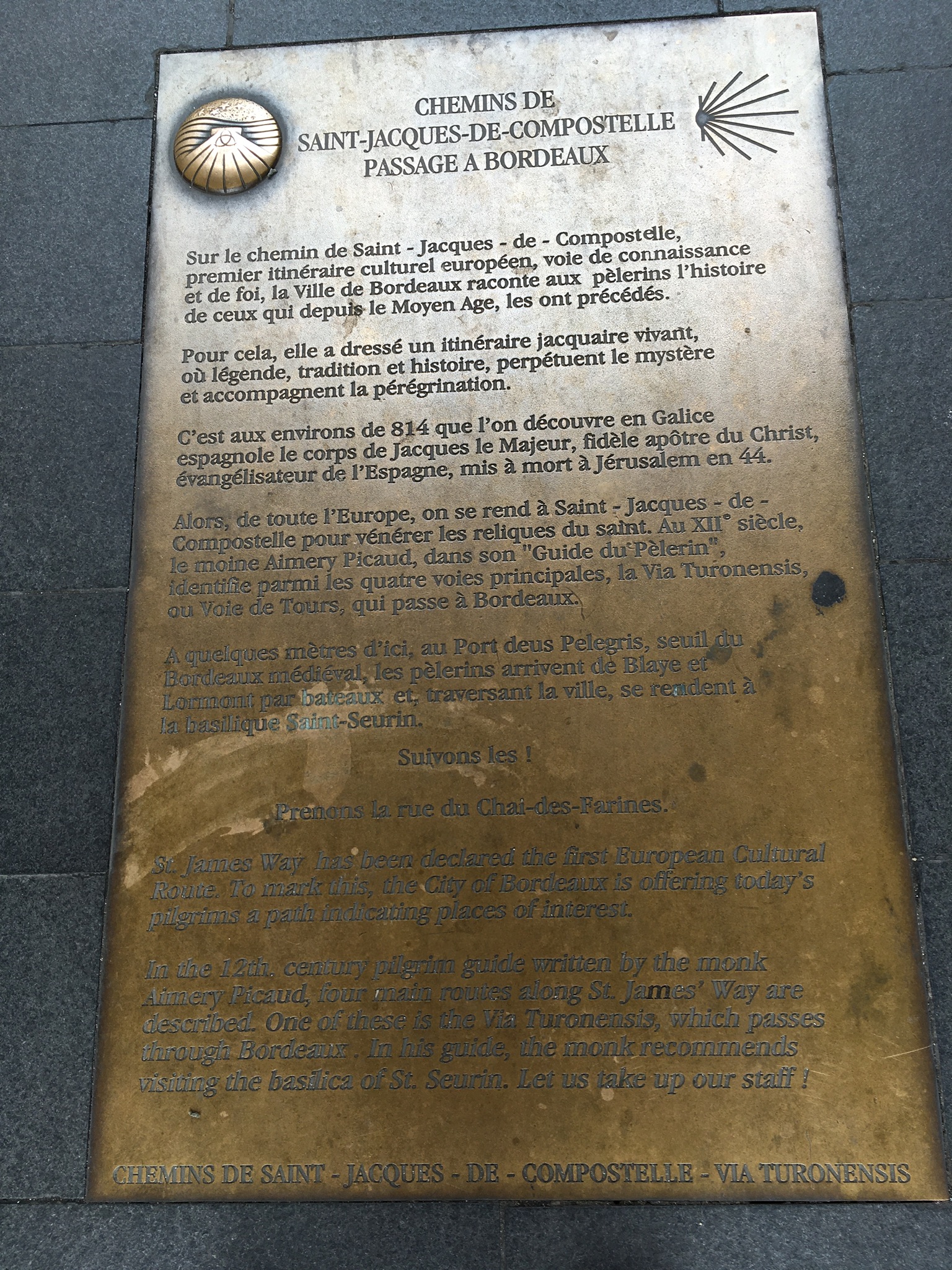
At the medieval Porte Cailhau city gate, we encountered a large brass plaque that references St. James, patron saint of the Camino de Santiago, of particular interest to me:
Traditional pilgrim routes went through Bordeaux
Our passe sanitaires have worked smoothly whenever they’ve been required and we generally feel quite safe in public indoor spaces, knowing others around us are vaccinated.
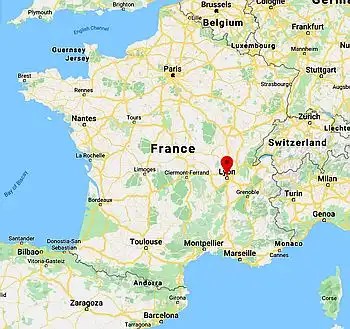
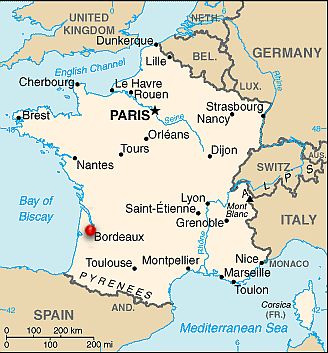
In case your French geography needs a refresher
We’re traveling in a leased, diesel Peugot 3008 SUV and France has plenty of nice, high-speed toll roads. The navigation system in the car has been spotty at times though, so we’ve had to do some Google Map verifications and a u-turn now and then. But it’s all been good.
















 The Occasionally-Examined Life